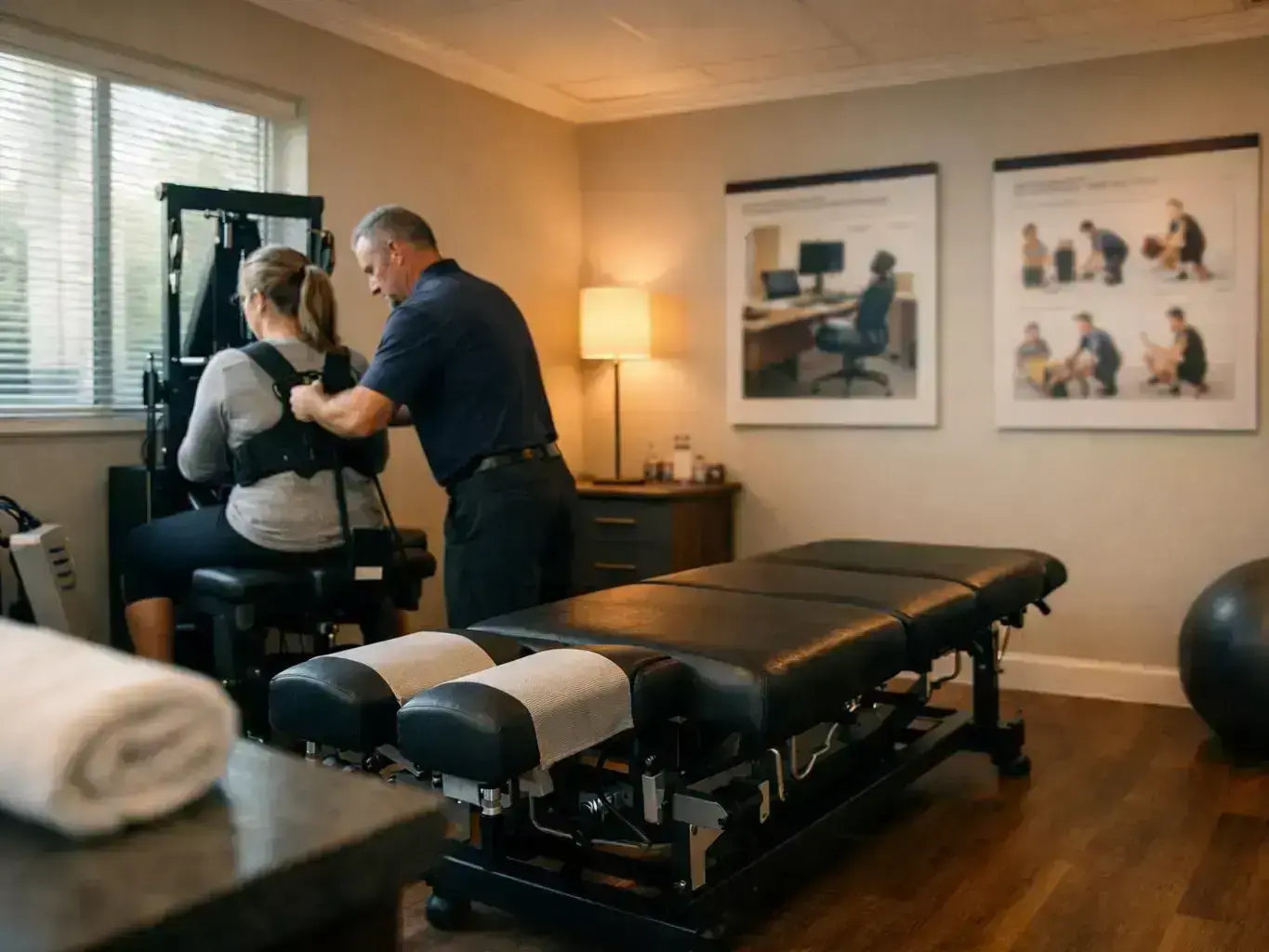
Understanding Soft Tissue Therapy
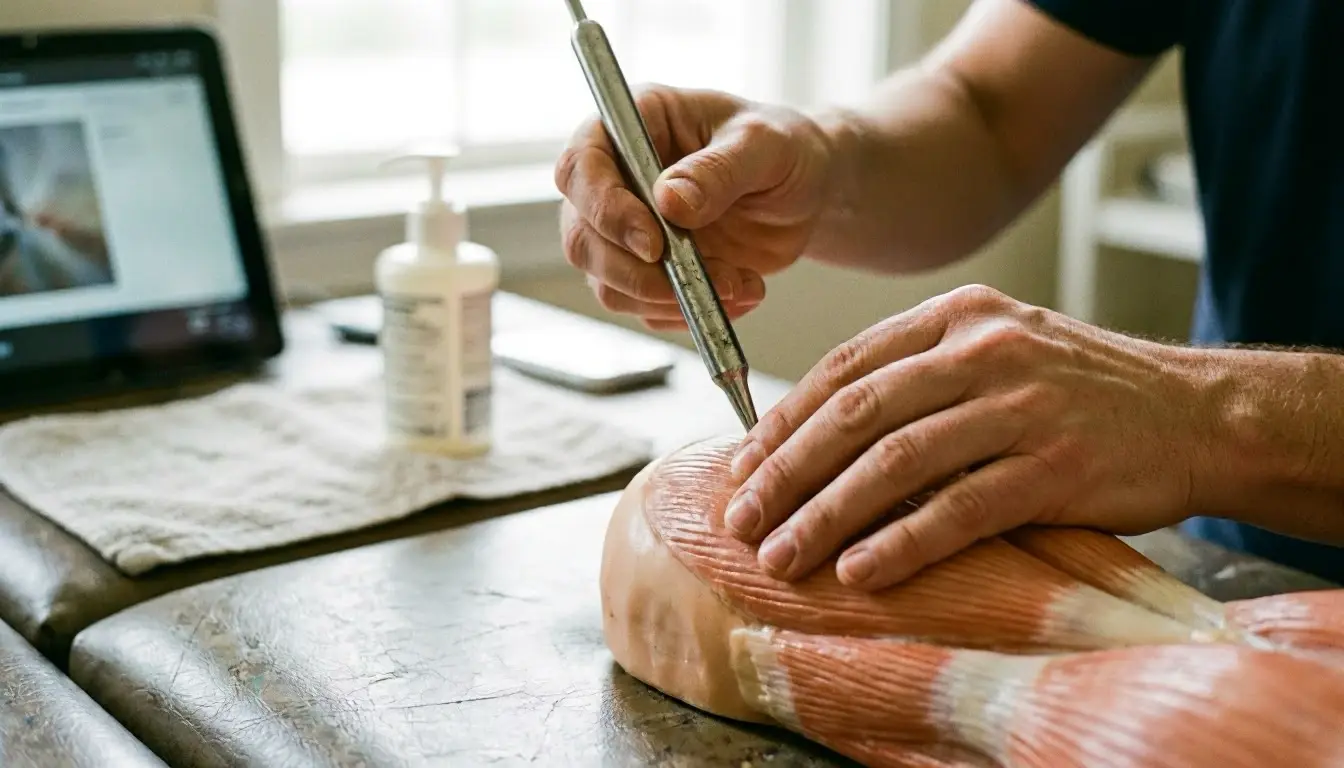
Soft Tissue Therapy treats the body’s soft parts. These parts include muscles, tendons. And ligaments. It also treats fascia (a thin layer around muscles).
Related glossary terms: Trigger Point Therapy, Chiropractic Care, Mobilization.
These parts can get tight or hurt. This happens from injury, overuse. Or bad posture. Stress can cause it too. The therapy helps them work right again.
It eases tension and helps blood flow. It breaks up scar tissue (sticky bands that limit movement). This can stop pain. It works on muscles and tissues near bones and joints.
Therapists use different methods. Some use gentle pressure. Others use deeper strokes. The goal is to stop pain and help healing.
It makes muscles more flexible. It cuts down swelling. It helps the body heal itself. It often works with other treatments.
These treatments include chiropractic (bone and joint care). They also include physical therapy. Together, they help muscles and bones.
How Soft Tissue Therapy Works?
Soft Tissue Therapy uses pressure and movement. It helps tight or hurt muscles. These muscles can form adhesions (hard bands).
Adhesions limit movement. They cause pain. They can press on nerves too. This makes things worse.
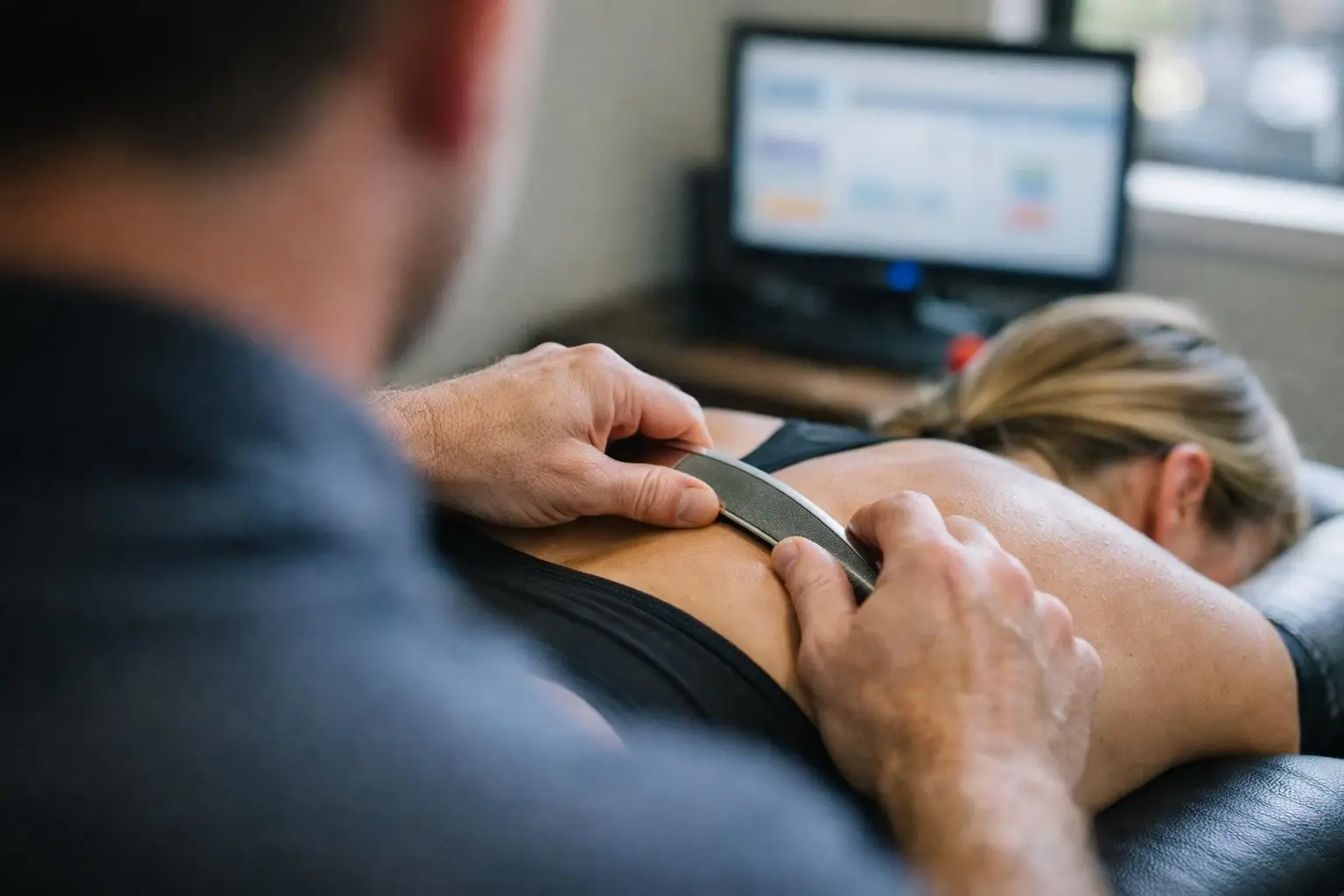
A therapist uses hands or tools. They press on the bad spots. This breaks up adhesions. It helps blood flow better.
This cuts swelling. It stops muscle spasms. It helps you move normally again.
The therapy also talks to your nerves. Gentle stretches wake up sensors. These sensors tell the brain to relax.
This helps with long-term pain. It also helps with stress. Methods include myofascial release (loosening tight tissue).
Trigger point therapy (treating sore spots) is used too. So is deep tissue massage. These help knots in shoulders. They ease back tightness. They loosen stiff necks.
You may feel better right away. Some soreness can happen. Your body needs time to adjust.
How many sessions you need depends on your issue. It also depends on your health. A sports injury may need weeks of care.
Someone with tight muscles may need just one visit. Most people can try this therapy. But some health issues may not allow it.
Why Soft Tissue Therapy Matters?
Soft Tissue Therapy fixes the real cause of pain. It doesn’t just hide symptoms. Many people hurt from tight muscles.
They may have scar tissue. Their blood may not flow well. This can stop them from moving easily.
The therapy helps tissues heal. It can cut down pain pills. It stops new injuries. It helps you move better.
This helps athletes. It helps office workers. It helps anyone with muscle pain.
It also helps injuries heal. Hurt muscles can make other muscles tight. This causes more strain.
The therapy loosens tight muscles. It makes stiff ones more flexible. This helps the body heal faster.
It lowers the chance of getting hurt again. It can also keep muscles healthy. This makes it good for regular care.
When Soft Tissue Therapy Matters Most?
Soft Tissue Therapy helps with muscle or tissue pain. It helps stiffness. It helps when you can’t move well.
People hurt in car accidents use it. So do those with sports injuries. It breaks up scar tissue.
It helps with repetitive strain injuries. One example is carpal tunnel (wrist pain). It makes things work right again.
It also helps long-term conditions. These include fibromyalgia (widespread pain). Arthritis (joint swelling) is another.
Tight muscles and swelling cause pain. The therapy eases this. Office workers sit a lot.
Their shoulders, neck. Or back can get tight. The therapy helps this. It stops long-term problems.
Stress makes muscles tight. This can cause headaches. It can make you clench your jaw.
The therapy loosens these muscles. It helps you relax. It cuts stress symptoms.
Athletes use it too. It keeps muscles healthy. It stops injuries. It helps them do better.
It can work alone. It can work with other treatments. It’s a gentle way to fix soft tissue.
It helps your whole body feel better.