
Skip to content

Work Injury Treatment in Savannah, Georgia

We help Savannah workers address back pain, neck pain, and limited movement after workplace injuries. Our care plans focus on spinal health and practical movement support.

Licensed & InsuredUpfront, Transparent PricingServing 13 CommunitiesMon-Fri: 9 am–7 pm, Sat-Sun: Closed
Work Injury Treatment helps people in Savannah manage symptoms after a workplace injury. Arrowhead Clinic Chiropractor Savannah begins with a spinal evaluation and health discussion, then builds care around your needs. Back pain, neck pain, sciatica, and joint discomfort can affect work and daily movement. We explain our findings before treatment and may use chiropractic adjustments, corrective care, or therapeutic exercise.

What changes after a workplace injury evaluation

You get a care plan tied to your symptoms and spinal findings.

You understand which movements and concerns we will address first.

Therapeutic exercise can support movement and function between visits.

You receive clear recommendations before chiropractic treatment begins.

What Work Injury Treatment Covers

Work Injury Treatment is chiropractic care that assesses and supports movement problems after a workplace injury.

  • Work injury care differs from general wellness care because the evaluation begins with the injury, symptoms, and work-related movement limits.
  • Savannah patients receive this service through our clinic and nearby Chatham County coverage area.
A hand reaches toward a folded white towel stack on a bed in soft warm light
About

What workplace injury care includes

Work injury care starts with a new patient intake, health history, and spinal assessment. We ask how the injury happened, which movements cause trouble, and how symptoms affect daily tasks. Our recommendations may include chiropractic adjustments, corrective care, and therapeutic exercise. Tailored adjustments address spinal and musculoskeletal findings, while exercises support movement between visits. The service does not promise the same result for every person. Individual response differs, and the right plan depends on your symptoms, examination findings, and care goals. We explain the plan before treatment begins.

Process

How we guide care after a workplace injury

1

Discuss the injury and symptoms

We review the work event, symptom pattern, health history, and movements that cause difficulty.

2

Complete the spinal assessment

We assess spinal and musculoskeletal findings to guide appropriate chiropractic care.

3

Explain the care recommendation

We discuss the findings and explain whether adjustments, corrective care, or therapeutic exercise fit your needs.

4

Begin tailored treatment

We provide chiropractic adjustments tailored to your spinal and musculoskeletal needs when treatment is appropriate.

5

Review movement support

We may add therapeutic exercise and wellness guidance to support function during recovery.

What to prepare before your work injury visit

A few details can help us understand the injury and plan the first assessment.

  • Write down when the workplace injury occurred and what movement caused it.
  • Note where symptoms occur and which tasks make them worse.
  • Bring relevant health information that helps explain your current condition.
  • Think about your main work and movement goals for care.

The Arrowhead Clinic Chiropractor Savannah Standard

Health Discussions

We discuss the workplace event, symptoms, health concerns, and movement limits before recommending chiropractic care.

Care Assessments

We assess spinal and musculoskeletal findings so work injury recommendations match the patient’s current needs.

Therapeutic Exercise

We add therapeutic exercise when appropriate to support movement and functional goals during workplace injury care.

Questions about care after a workplace injury

Who provides work injury treatment in Savannah?

Arrowhead Clinic Chiropractor Savannah provides work injury treatment in Savannah and nearby Chatham County communities. We begin with a health discussion and spinal assessment. Our recommendations may include chiropractic adjustments, corrective care, and therapeutic exercise based on your symptoms and findings.

What happens during the first work injury evaluation?

The first evaluation includes a new patient intake, health history, symptom discussion, and spinal assessment. We ask how the injury happened and which movements affect you. Then we explain our findings and recommend care that fits your needs before treatment begins.

Can chiropractic care address pain that travels into the leg?

Sciatica symptoms can receive an assessment through chiropractic care. We review the pain pattern, related symptoms, and lower-back movement before recommending treatment. Our plan may include tailored adjustments or therapeutic exercise, but individual response differs and care depends on the evaluation.

What should I bring to a workplace injury appointment?

Your symptom history and injury details help us plan the first assessment. Bring the following information:

  • When and how the injury happened
  • Where symptoms occur and what worsens them
  • Relevant health information
  • Your main work and movement concerns

These details support a focused health discussion.

Does work injury care include therapeutic exercise?

Therapeutic exercise may form part of a work injury care plan when movement support fits your findings. We assess your function first, then explain exercises that match the recommendation. Exercise can support movement between visits, while adjustments address spinal and musculoskeletal needs.

Should I seek care if symptoms improve after the injury?

Improving symptoms still deserve attention when work movements remain limited. We can review the injury, current function, and health history during an assessment. That information helps us decide whether chiropractic care or movement guidance fits your current needs.

Common Mistakes With Work Injury Treatment

  • Ignoring pain because the work task seemed minor can hide changes in movement. We ask when symptoms began and what motion triggers them.
  • Describing only the pain location misses useful detail about symptom patterns. We check related movement limits, such as bending, turning, or walking.
  • Starting exercises without an assessment may place stress on the wrong movement. We assess your spine and explain suitable therapeutic exercise first.
  • Leaving out health history can affect care recommendations. We discuss your health concerns before treatment begins.

Key Points About Work Injury Treatment

  • Work injury care starts with a health discussion and spinal assessment.
  • Back pain, neck pain, sciatica, and limited motion can affect work tasks.
  • Tailored adjustments depend on spinal and musculoskeletal findings.
  • Therapeutic exercise may support movement between visits.
  • Individual response differs, so care plans are personalized.
Contact

Discuss work injury care in Savannah

You’ll leave the first discussion with clear next steps for your injury assessment and care options. Arrowhead Clinic Chiropractor Savannah serves Savannah and nearby Chatham County communities.
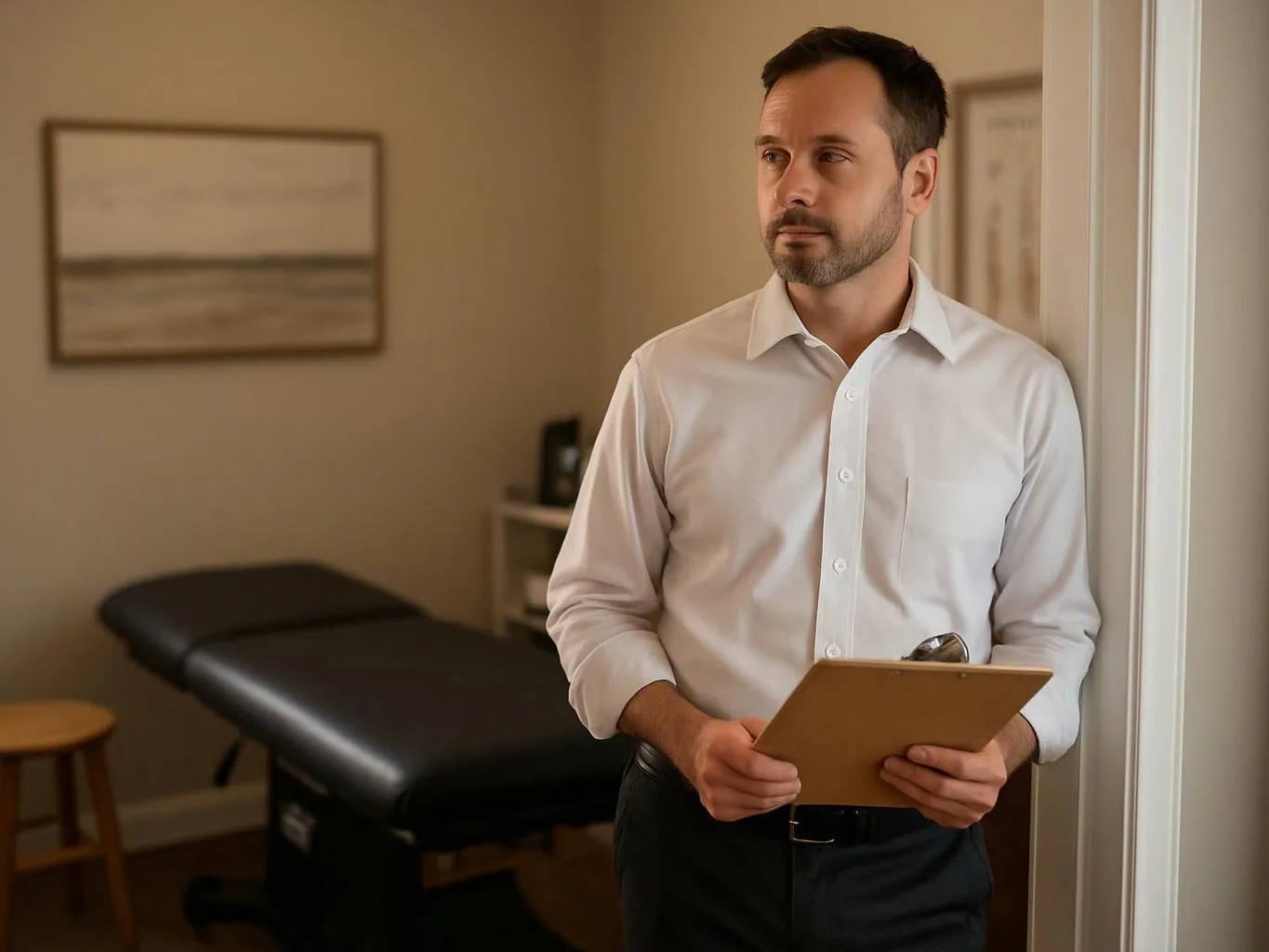
A man in a white shirt holds a clipboard in a quiet treatment room
Scenarios

When Customers Call Us About Work Injury Treatment

1

Pain after a lifting task

Back pain can start after lifting, reaching, or turning at work, then make sitting and walking harder. The key detail is how the pain changes with movement and whether it travels into the leg. Bring those details to the visit so we can review the injury, assess spinal movement, and explain suitable care.

2

Neck symptoms after sudden motion

A quick turn, slip, or awkward work position can leave the neck stiff or sore. Symptoms may also affect shoulder movement or bring on headaches. We need the event, symptom pattern, and health history before care begins. A spinal assessment helps us decide whether adjustments or movement exercises fit the situation.

3

Returning to regular work tasks

Some workers seek care because pain has eased but lifting, bending, or standing still feels limited. The main decision is whether the plan supports the movements your job requires. We review those tasks during the health discussion and build recommendations around your findings, with therapeutic exercise available when movement support is appropriate.

Our Other Services

Massage TherapyTight shoulders, sore muscles, and restricted movement often make ordinary tasks uncomfortable. Massage therapy works through muscle tension and soft tissue adhesions, helping reduce soreness while supporting more comfortable range of motion.
Chiropractic AdjustmentPersistent back or neck stiffness can limit work, sleep, and daily movement. Chiropractic adjustments use joint assessment and controlled manual pressure to improve spinal motion, with a clear care plan matched to your symptoms.
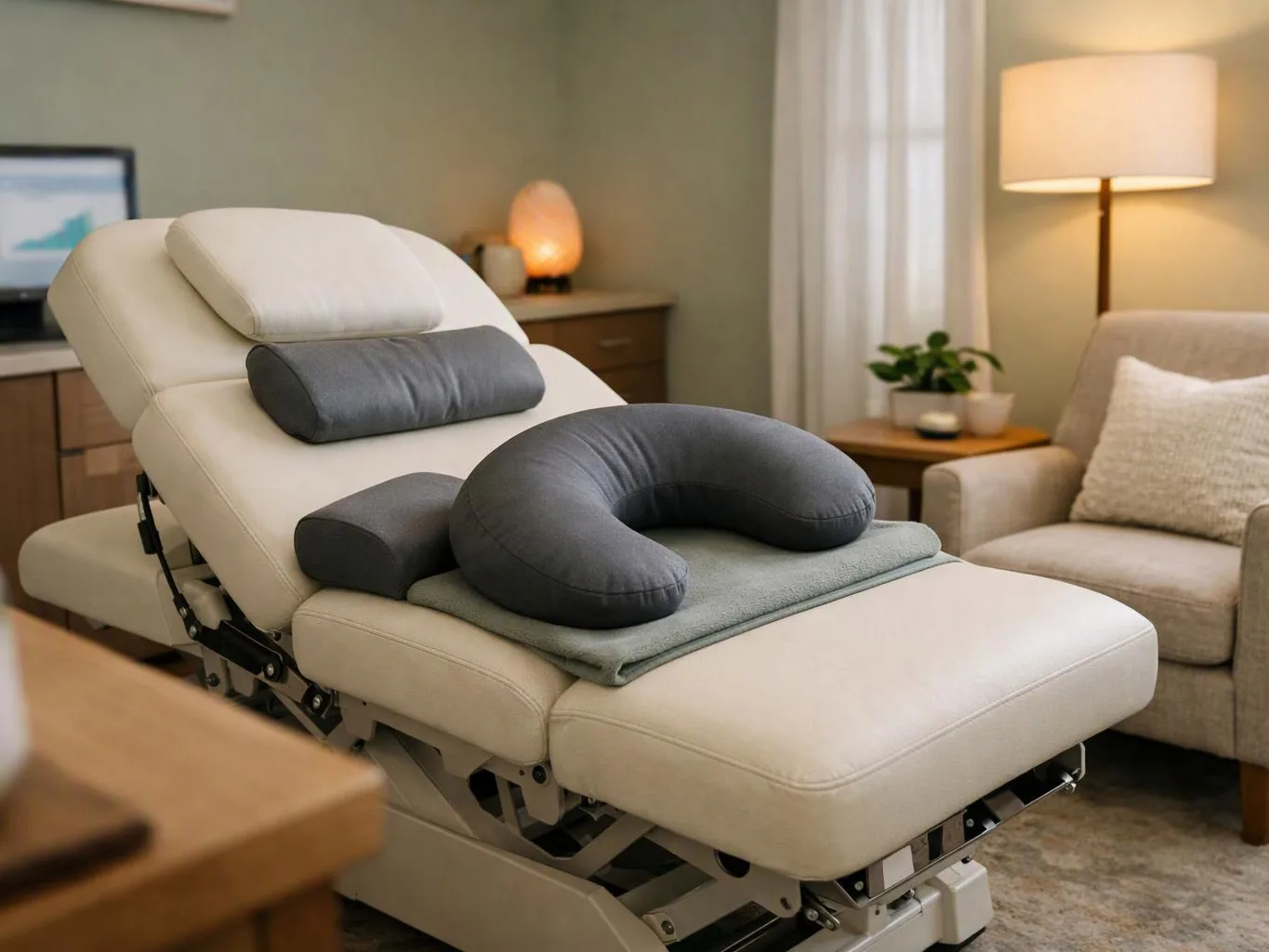
Spinal Decompression TherapyLeg pain, disc pressure, or persistent low back discomfort can make sitting difficult. Spinal decompression uses controlled table positioning and gentle traction to reduce spinal loading and support easier movement.
Therapeutic ExerciseWeak core muscles can leave your back vulnerable during lifting, walking, or sports. Therapeutic exercise uses stretching, strengthening, and movement coaching to improve stability and help you return to daily activities.
Dry NeedlingTrigger points can keep a tight muscle painful after activity or injury. Dry needling targets irritated muscle bands with fine needles, then supports improved tissue movement and less localized discomfort.
Cupping TherapyStiff muscles and restricted soft tissue can make recovery feel slow. Cupping therapy uses suction cups over selected areas, encouraging circulation and tissue mobility around painful shoulders, backs, or legs.

The health and wellness information on this website is for general informational purposes only and is not medical advice. It does not create a provider-patient relationship. Always consult a qualified licensed provider in Savannah, Georgia, United States about your specific condition before making care decisions. Individual results vary.

(912) 378-1371