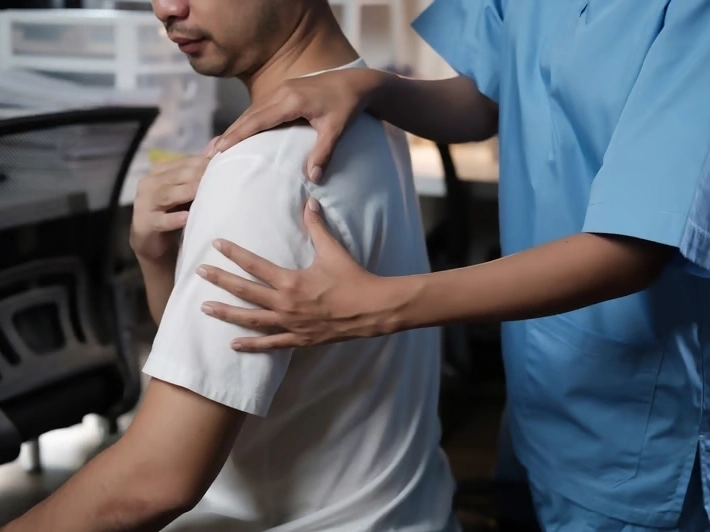
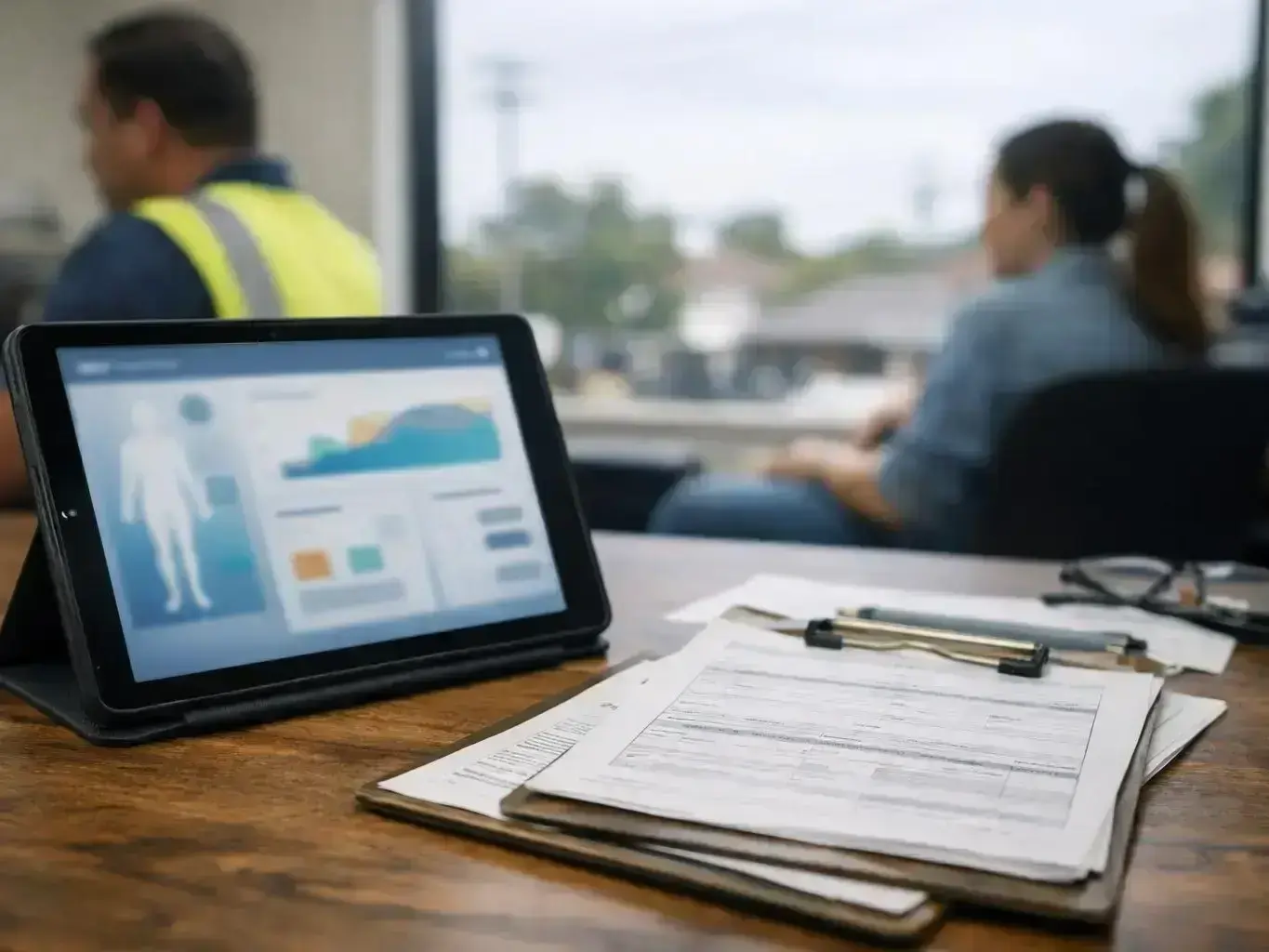
Mobilization is a manual therapy technique used by chiropractors and physical therapists to gently move joints and soft tissues. Mobilization helps improve mobility, reduce stiffness. And relieve pain without the high-velocity thrusts used in spinal adjustments. The method involves slow, controlled movements to restore normal joint function and range of motion.
Category
Manual therapy technique
Used for
Improving joint mobility and reducing stiffness
Common confusion
Often mistaken for spinal adjustment, which uses quick thrusts
Also called
Joint mobilization, Manual mobilization
Often discussed with
Chiropractic Consultation and Diagnosis, Sports Injury Chiropractic Care

Mobilization is a hands-on therapy. Chiropractors and physical therapists use it. It helps stiff joints move again.
Related glossary terms: Chiropractic Adjustment, Soft Tissue Therapy, Joint Dysfunction.
Adjustments use quick thrusts. Mobilization uses slow, gentle moves. These moves stretch and relax the joint.
This works well for people who can't handle fast moves. Pain, age. Or health problems may make fast moves hard.
The goal is to help joints move better. It also cuts down on pain. It works on spines, shoulders, hips. And knees.
Stiffness or small shifts can limit movement. Mobilization helps fix this. It's gentler than adjustments.
People healing from injuries often use it. It helps those with long-term problems like arthritis. It's good for slow, careful care.
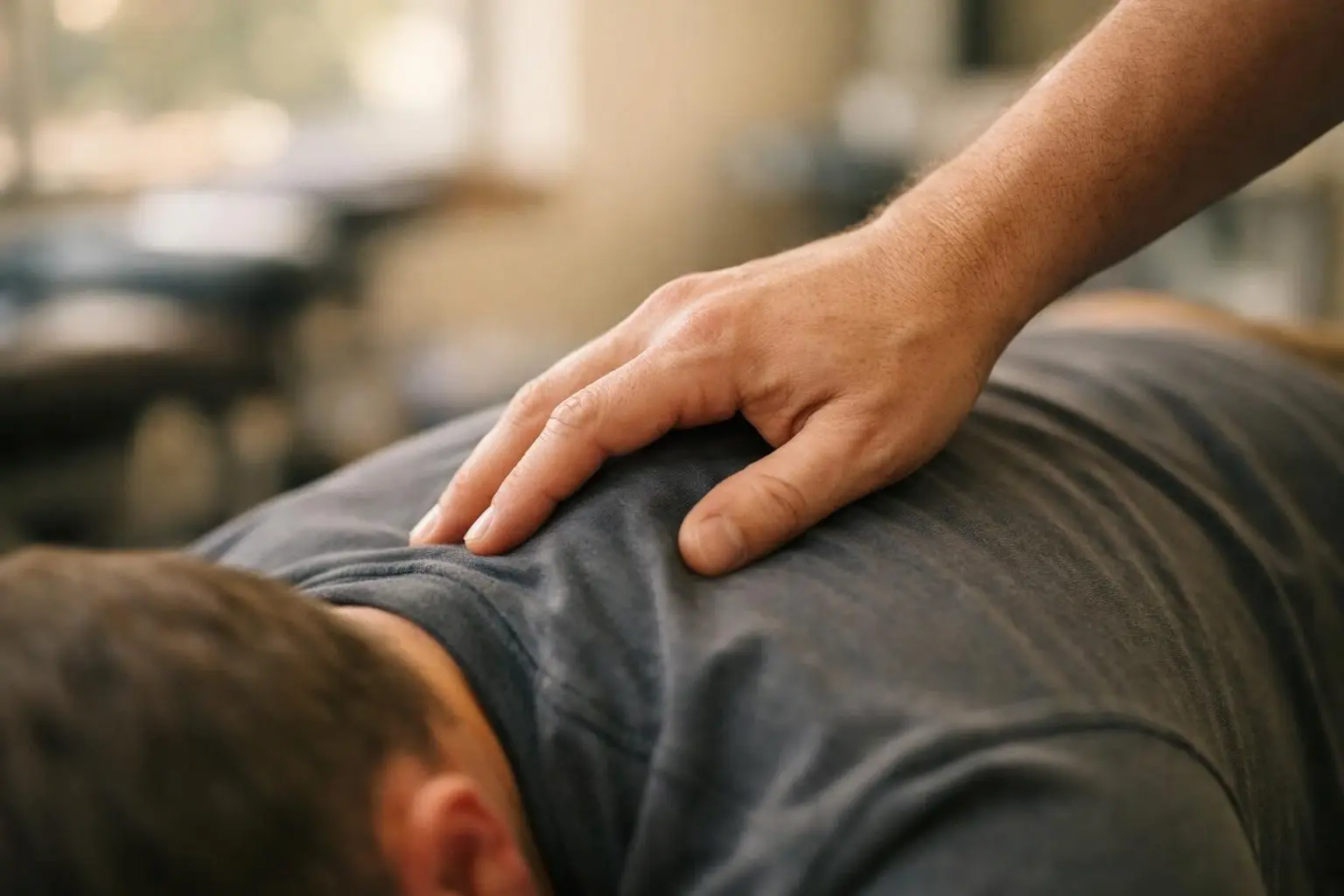
A chiropractor guides the joint in a session. They use steady pressure. The joint moves in natural ways.
The pressure is slow and gentle. This helps muscles relax. The joint can move more freely.
Tight spots in tissues can loosen. This is called breaking up adhesions. The joint moves better after.
The chiropractor may do the move many times. They change the angle or pressure. This depends on how the patient feels.
Mobilization has different grades. Grade I is light pressure. Grade IV is firmer but still gentle.
The grade used depends on the patient. It matches their pain and needs. For quick pain relief, Grade I or II works best.
For long-term stiffness, Grade III or IV helps. It improves joint function. The chiropractor may add other therapies too.
Stretching or soft tissue work can help. These boost results. They work well with mobilization.

Mobilization is key in chiropractic care. It fixes joints that don't move right. This can cause pain and stiffness.
Bad joint movement affects other body parts. Muscles can get unbalanced. Posture can get worse.
Nerves can get irritated too. Mobilization helps fix this. It brings back normal joint movement.
This supports the body's healing. It cuts down on other problems. It helps the body heal itself.
Mobilization is safe and flexible. It doesn't use quick thrusts. So it's good for many people.
Older adults can use it. People with osteoporosis can too. Those healing from surgery can use it.
It can also stop stiffness before it starts. This is good for people who sit a lot. It helps those with repetitive jobs.
Mobilization helps when gentle care is needed. It works for sprains or strains. It cuts pain and swelling.
It doesn't stress the injured area. People with osteoarthritis use it too. Stiffness and swelling are big problems for them.
New chiropractic patients like it. They may not want forceful adjustments. Mobilization is a good start.
Local customers find it useful. Athletes use it. Office workers do too.
Sitting too long causes stiffness. This can lead to neck or back tightness. It may cause headaches.
Mobilization helps these areas. It brings back movement. It makes people more comfortable.
It's used after surgeries too. Knee or shoulder surgeries need it. It helps patients move safely again.
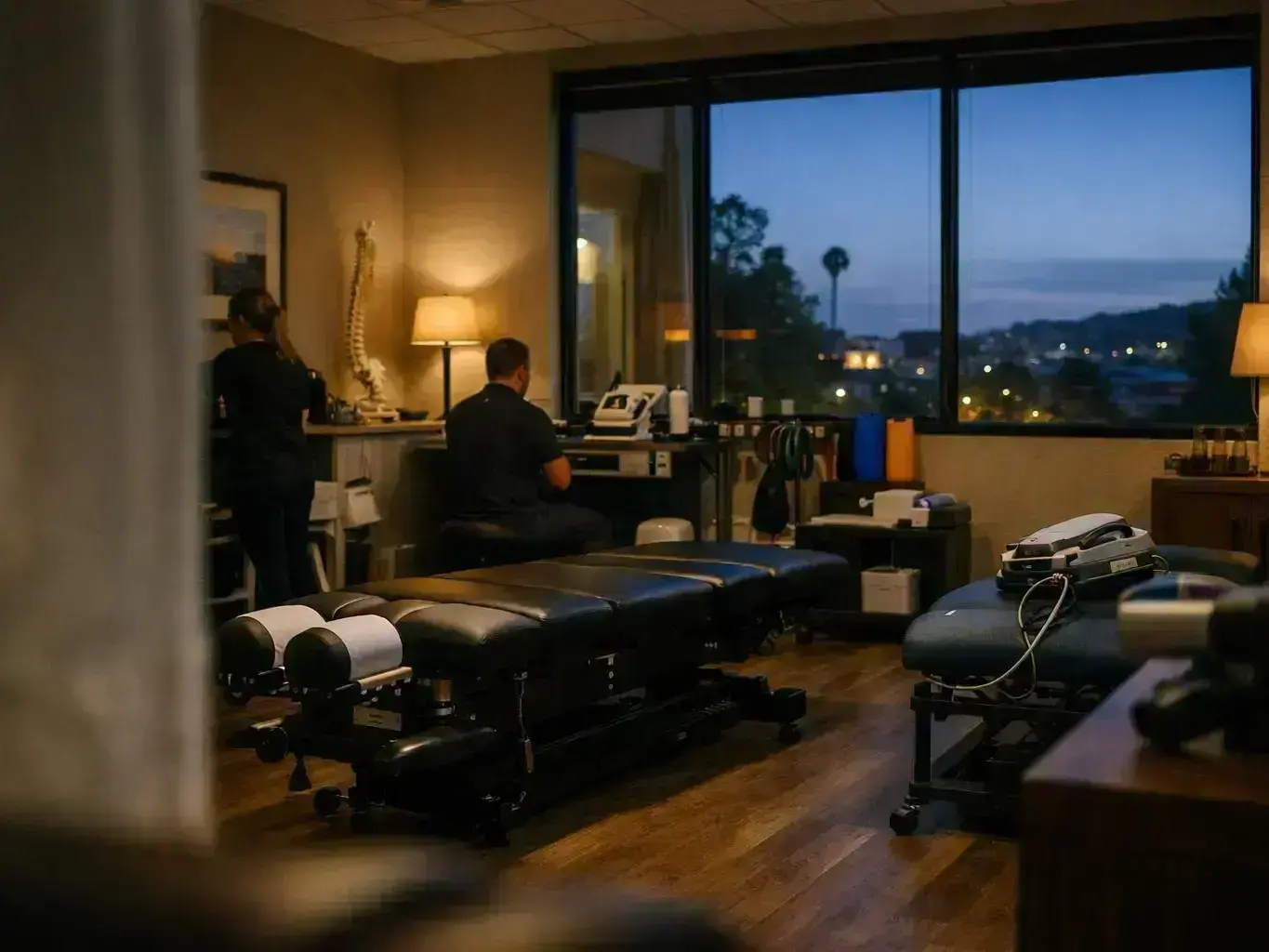
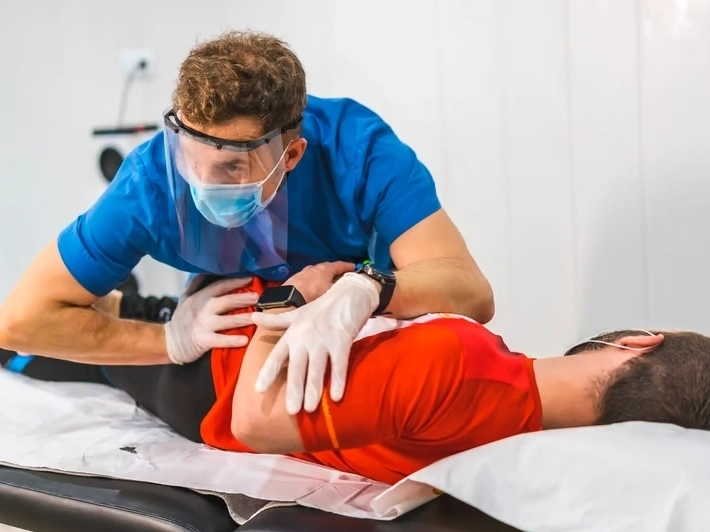
Spinal adjustments use quick, high-velocity thrusts to realign joints. While mobilization uses slow, controlled movements to improve mobility without thrusts.
Soft tissue therapy focuses on muscles and fascia. While mobilization targets joints and their surrounding tissues to restore movement.
Mobilization is not a one-size-fits-all technique. The grade and approach should be tailored to the patient’s condition, pain tolerance. And treatment goals to ensure safety and effectiveness.
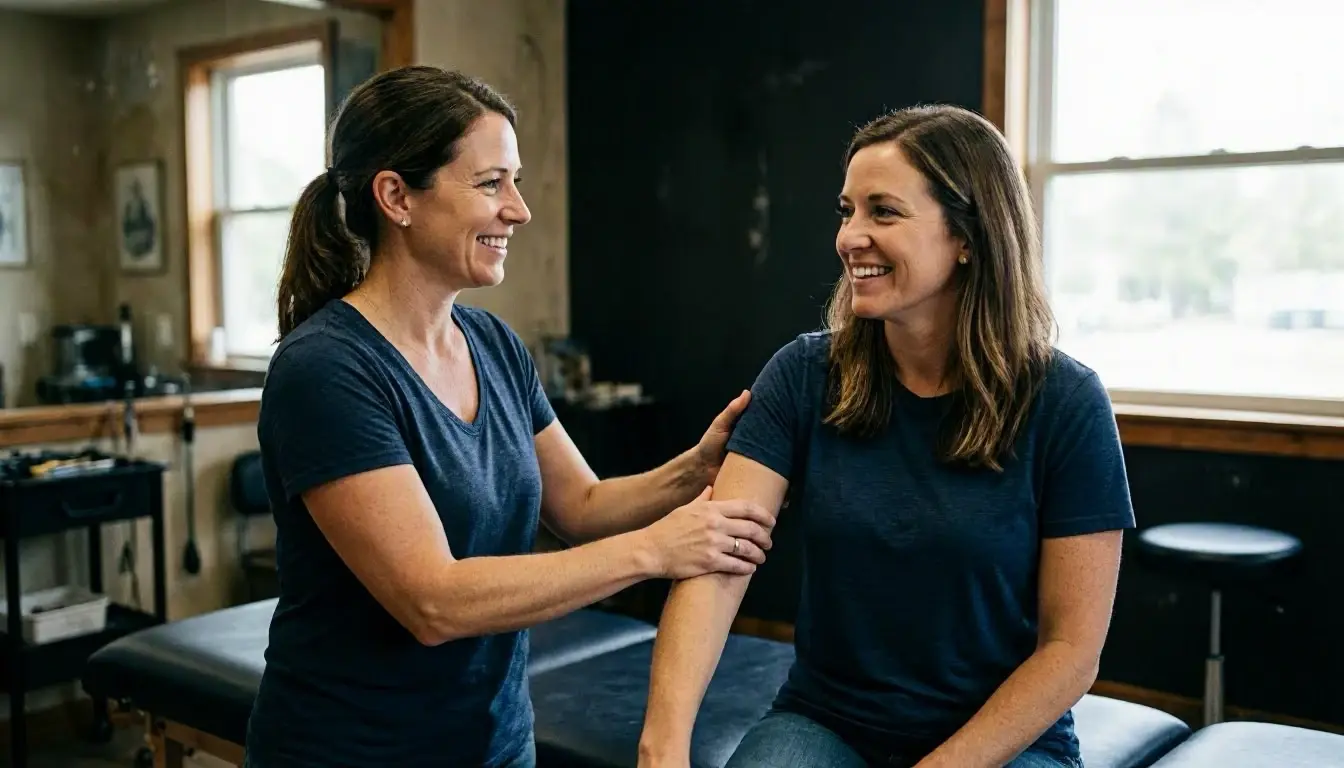
A patient recovering from a shoulder injury visits a chiropractor for stiffness and limited range of motion. Instead of using a quick adjustment, the chiropractor performs mobilization by gently moving the shoulder joint through its natural range while applying steady pressure. After a few sessions, the patient notices improved mobility and reduced discomfort when reaching overhead.
Chiropractic Adjustment is a precise manual procedure where a licensed chiropractor applies controlled force to a specific joint in the spine or other parts of the body. The goal is to improve alignment, restore motion, reduce nerve irritation. And support the body’s natural healing ability without surgery or medication.
Soft Tissue Therapy is a hands-on treatment method that targets muscles, tendons, ligaments. And fascia to reduce pain, improve mobility. And promote healing. Soft Tissue Therapy uses techniques like massage, stretching. And pressure to break up scar tissue, release tension. And restore normal function without surgery or medication.
Joint Dysfunction is a condition where a joint in the body moves improperly or has restricted motion, often causing pain, stiffness. Or inflammation. It can occur in any joint, including the spine, shoulders, hips. Or knees. And may result from injury, overuse, poor posture. Or underlying conditions like arthritis. Joint Dysfunction disrupts normal movement and can lead to further musculoskeletal problems if untreated.
Spinal Manipulation is a hands-on treatment technique used by chiropractors and other trained healthcare providers to apply controlled force to a joint in the spine. This force helps improve spinal motion, reduce pain. And restore function by addressing stiffness or misalignment in the vertebrae.
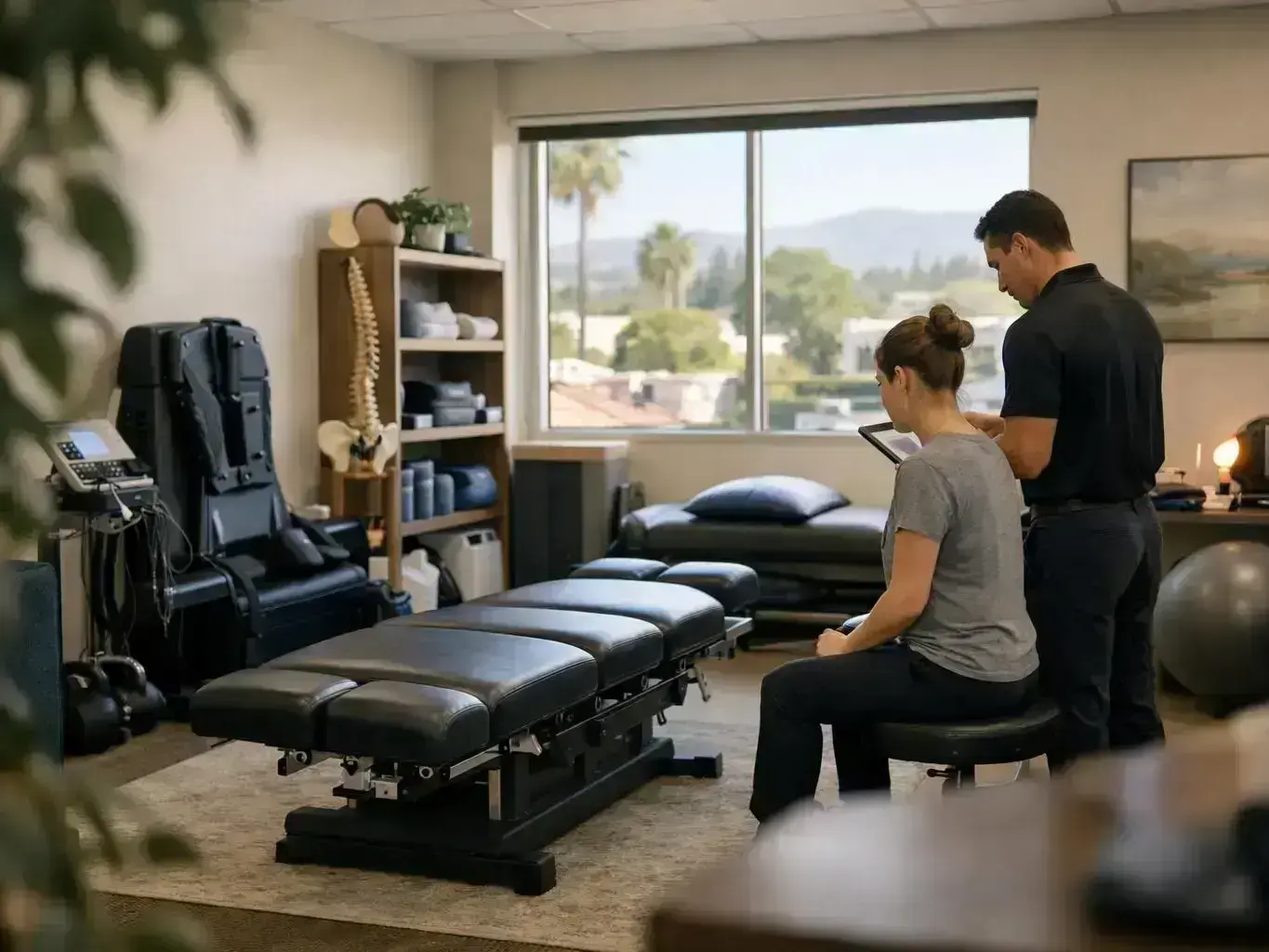
Flexion Distraction is a gentle, non-surgical chiropractic technique designed to relieve spinal pain and improve mobility. It involves a specialized table that stretches and decompresses the spine, reducing pressure on discs, nerves. And joints. This method is often used for conditions like herniated discs, sciatica.
ChiropractorSavannahGa.link
Contact ChiropractorSavannahGa.link for practical guidance on Mobilization and related chiropractor work in Savannah.