Understanding Trigger Point Therapy
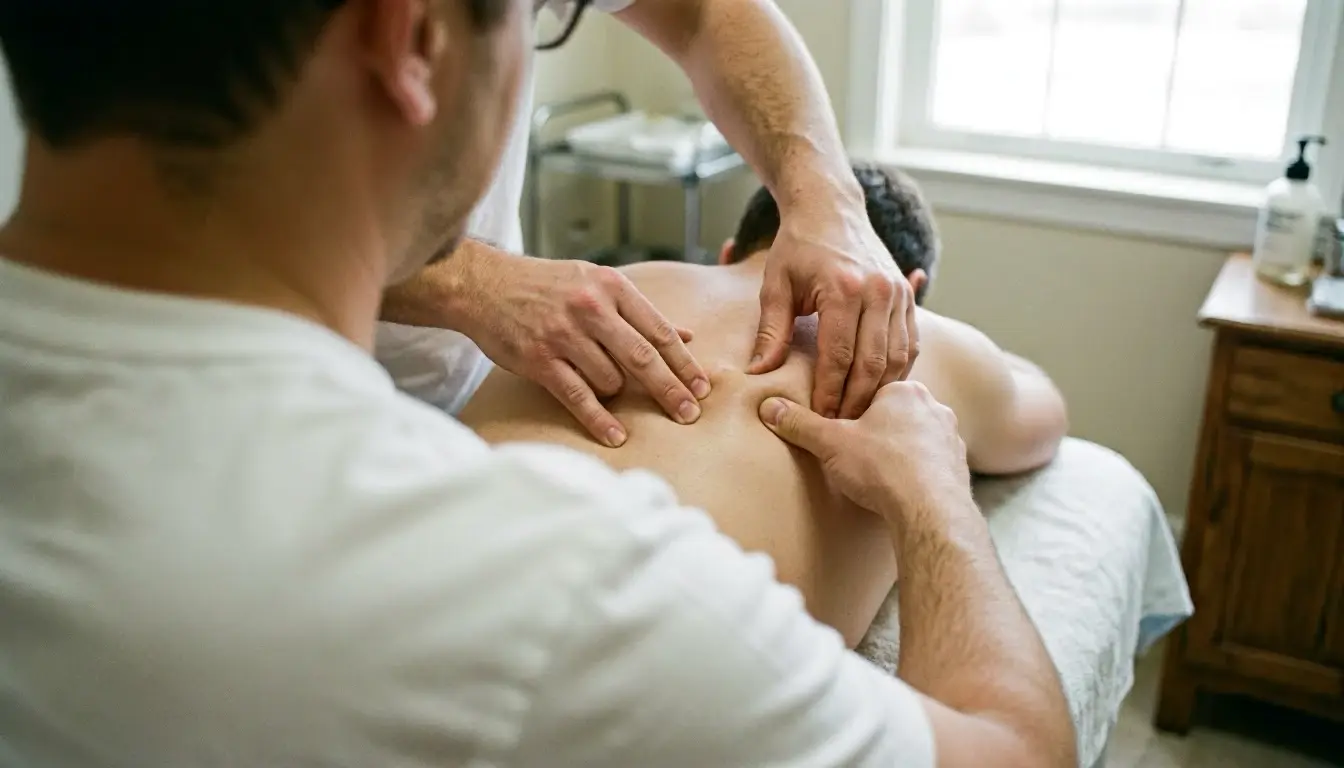
Trigger Point Therapy finds tiny tight spots in muscles. These spots are called trigger points.
Muscles get tight or hurt. This makes knots that cause pain. The pain can spread to other body parts.
A knot in your shoulder might give you a headache. It might also hurt down your arm.
This therapy presses on the knots. That helps muscles go back to normal.
Regular massage works on big muscle groups. Trigger Point Therapy works on small problem spots.
The pressure can feel strong. But it matches what you can handle.
Many people feel better right away. Some feel sore for a short time.
This therapy often works with other treatments. It helps muscles stay healthy and move better.
How Trigger Point Therapy Works?
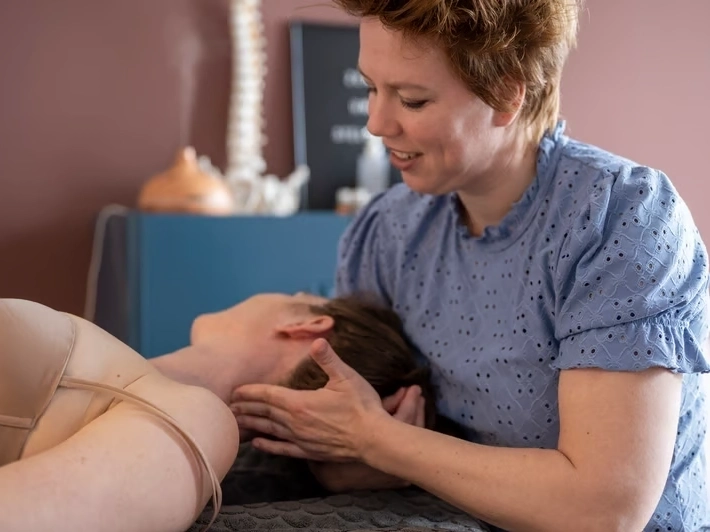
The chiropractor or therapist finds the knots. They feel for tight or sore spots.
They press on the spot with fingers or tools. The pressure stays steady for a few seconds.
The muscle might twitch or let go. This helps stop pain and tension.
You can use this therapy on almost any muscle. It works best on neck, shoulders, back. And hips.
It doesn’t just stop pain. It helps you move and bend more easily.
Someone with back pain might feel less stiff. They can twist or bend without trouble.
Each session lasts 15 to 30 minutes. It depends on how many knots need work.
Why Trigger Point Therapy Matters?

Muscle pain makes daily tasks hard. Sitting, standing. Or lifting can hurt.
This therapy finds the knots that cause pain. It helps your body heal itself.
Pain pills just hide the problem. This therapy helps blood flow and eases tight muscles.
Regular sessions can give long-term relief. Muscles work better over time.
Tight muscles can cause injuries. This is true during sports or work.
Trigger Point Therapy helps muscles move freely. That lowers injury risk.
It helps athletes and office workers. Anyone with tight muscles can benefit.
When Trigger Point Therapy Matters Most?
This therapy helps with long-term muscle pain. It also helps headaches and stiff joints.
Doctors often suggest it for tension headaches. It helps with sciatica and muscle strains too.
People who sit a lot get knots in neck and shoulders. That can cause headaches.
This therapy eases those knots. That can stop the headaches.
It helps after injuries or surgeries. It reduces scar tissue and makes muscles flexible.
People with fibromyalgia (a pain condition) feel better. Regular sessions help them.
It can also help with carpal tunnel (wrist pain). It helps with TMJ (jaw pain) too.
Muscle tension plays a role in these problems. This therapy can be part of the fix.