Understanding Electrical Muscle Stimulation

Electrical Muscle Stimulation, often abbreviated as EMS, is a therapy that sends small electrical pulses through the skin to target muscles. These pulses cause the muscles to contract and relax, similar to how they would during normal exercise. The process is controlled by a device that adjusts the intensity, frequency. And duration of the electrical signals. EMS is widely used in physical rehabilitation and pain management because it can help improve muscle strength, reduce stiffness. And increase blood flow to injured areas without putting stress on joints or bones.
Related glossary terms: Chiropractic Care, Soft Tissue Therapy, Spinal Manipulation.
While EMS is not a substitute for traditional exercise, it can be especially helpful for people recovering from injuries, surgeries. Or conditions that limit their ability to move. For example, someone with a muscle strain or a joint injury may struggle to perform exercises that strengthen the affected area. EMS allows the muscles to work without requiring the patient to move voluntarily, which can speed up recovery and prevent muscle atrophy. The therapy is also commonly used to manage chronic pain conditions, such as back pain or arthritis, where muscle tension and inflammation contribute to discomfort.
How Electrical Muscle Stimulation Works?
During an EMS session, small electrodes are placed on the skin over the muscles being treated. These electrodes are connected to a device that generates electrical impulses. The impulses travel through the electrodes and into the muscles, causing them to contract. The contractions can be adjusted to mimic different types of muscle activity, such as gentle twitches or stronger, sustained contractions. The intensity of the pulses is carefully controlled by the healthcare provider to ensure the treatment is comfortable and effective for the patient.
In practice, The electrical pulses used in EMS are low-level and designed to be safe for most people. But the therapy is not suitable for everyone. For instance, individuals with pacemakers, certain heart conditions. Or pregnant women should avoid EMS unless approved by a doctor. The treatment is typically painless. Though some patients may feel a tingling sensation or mild discomfort if the intensity is set too high. Sessions usually last between 10 to 30 minutes, depending on the condition being treated and the goals of the therapy.
EMS works by stimulating the motor nerves, which are the nerves responsible for telling muscles to contract. When these nerves receive the electrical signal, they trigger the muscle fibers to shorten and then relax. This process helps improve muscle endurance, strength. And coordination over time. It also promotes blood circulation, which can reduce swelling and speed up the healing process. Unlike Transcutaneous Electrical Nerve Stimulation (TENS), which focuses on blocking pain signals, EMS directly targets muscle function to aid in recovery and pain relief.
Why Electrical Muscle Stimulation Matters?
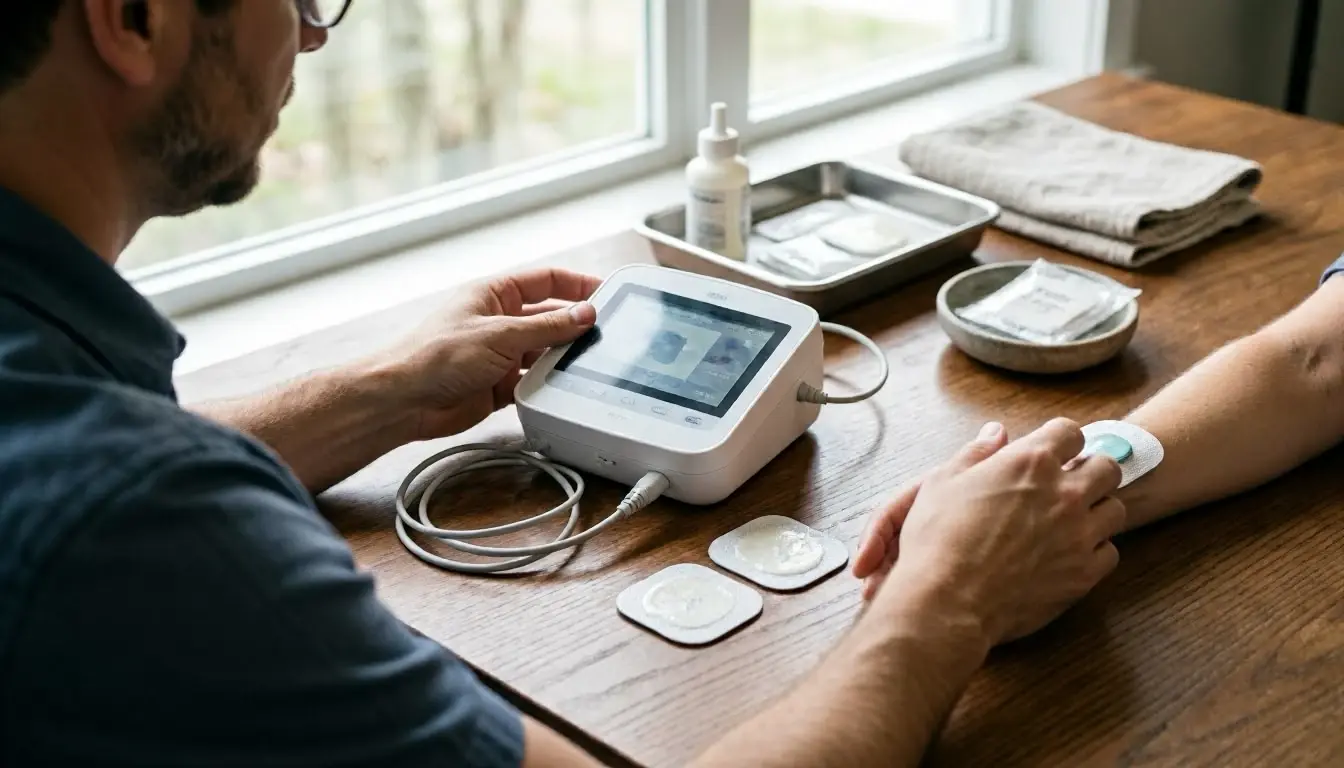
Electrical Muscle Stimulation plays an important role in rehabilitation and pain management because it offers a way to engage muscles without requiring active movement from the patient. This is particularly valuable for individuals recovering from injuries, surgeries. Or conditions like stroke, where muscle weakness or paralysis makes traditional exercise difficult. By causing muscle contractions, EMS helps prevent muscle atrophy, which is the weakening and shrinking of muscles due to lack of use. It also improves circulation, which can reduce inflammation and promote healing in damaged tissues.
For athletes or active individuals, EMS can be used as a complementary therapy to boost muscle recovery after intense workouts or competitions. It helps reduce muscle soreness and fatigue by increasing blood flow to the affected areas, allowing the muscles to recover faster. And EMS can be used to target specific muscle groups that may be difficult to engage through traditional exercise alone. This makes it a useful tool for improving muscle balance and preventing injuries caused by overuse or muscle imbalances.
When Electrical Muscle Stimulation Matters Most?
Electrical Muscle Stimulation is most beneficial in situations where muscle function is compromised or pain limits a person's ability to move. For example, after surgery, such as a knee replacement or spinal procedure, patients often experience muscle weakness and stiffness. EMS can help reactivate these muscles, allowing patients to regain strength and mobility more quickly. It's also commonly used in the treatment of sports injuries, such as sprains, strains. Or tendonitis, where muscle tension and inflammation contribute to pain and limited movement.
EMS is also valuable for individuals with chronic conditions that cause muscle spasms or pain, such as fibromyalgia, arthritis. Or sciatica. In these cases, the therapy can help relax tight muscles, reduce pain. And improve overall function. And EMS may be used in physical therapy to help patients relearn how to use muscles after a neurological injury, such as a stroke or spinal cord injury. The therapy can be custom to the patient's specific needs, making it a versatile tool in both acute and chronic care settings.
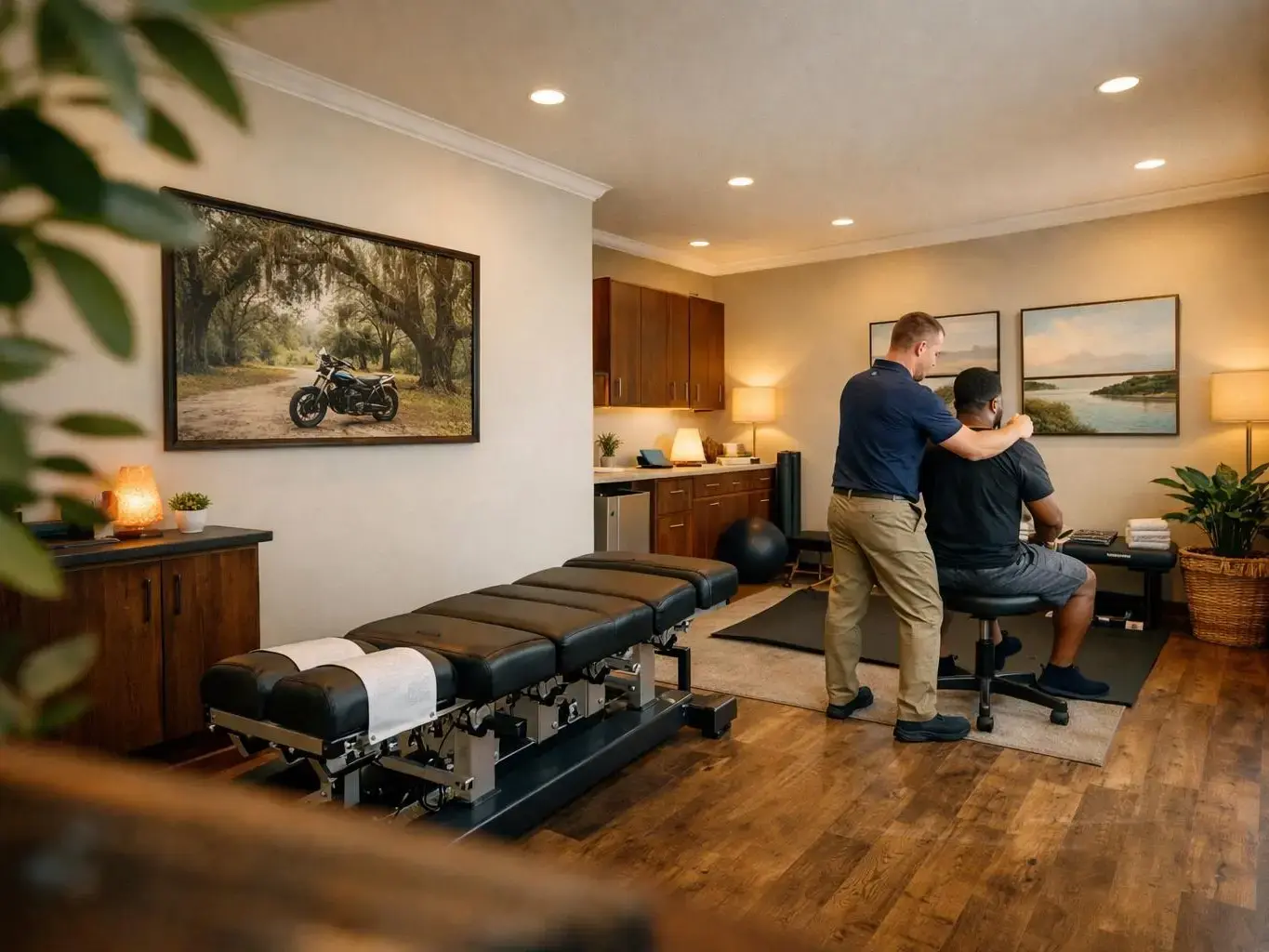
In Savannah, GA, Electrical Muscle Stimulation is often used as part of a full chiropractic care plan. Chiropractors may combine EMS with spinal adjustments, soft tissue therapy. Or other modalities to address musculoskeletal pain and improve patient outcomes. For example, a patient recovering from a car accident may receive EMS to reduce muscle spasms in the neck or back, followed by chiropractic adjustments to realign the spine. This integrated approach helps patients achieve faster and more lasting relief from pain and discomfort.