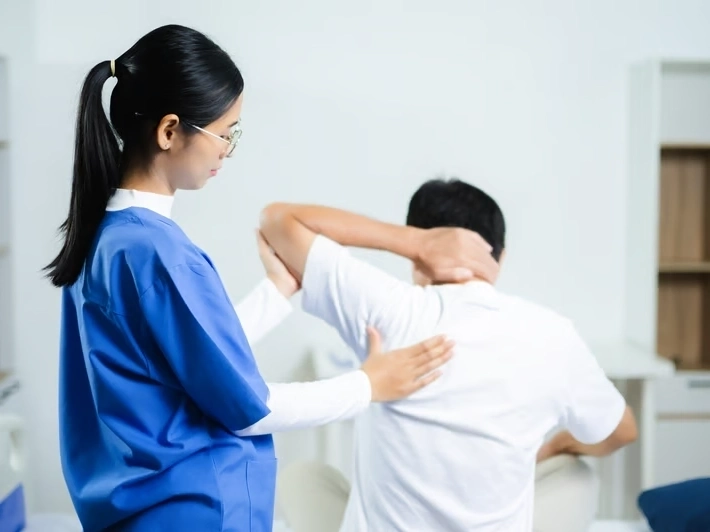
Understanding Neuromuscular Re-education

Neuromuscular Re-education is a specialized form of therapy that focuses on the relationship between the nervous system and muscles. When someone experiences an injury, surgery. Or chronic pain, the brain and muscles may develop faulty communication patterns. For example, a person who sprains an ankle might start limping to avoid pain. But over time, the brain adapts to this new way of walking—even after the ankle heals. Neuromuscular Re-education helps correct these adaptations by teaching the body to move efficiently and safely again.
Related glossary terms: Physical Rehabilitation, Chiropractic Care, Electrical Muscle Stimulation.
This technique is based on the idea that the nervous system controls movement. And when that control is disrupted, muscles may weaken, tighten. Or compensate in unhealthy ways. Unlike traditional strength training, which focuses only on building muscle, Neuromuscular Re-education targets the brain-muscle connection. It uses specific exercises, manual guidance. And repetition to reinforce proper movement patterns. This approach is especially useful for people recovering from injuries, surgeries. Or conditions like stroke, where the brain needs to relearn how to control muscles.
How Neuromuscular Re-education Works?
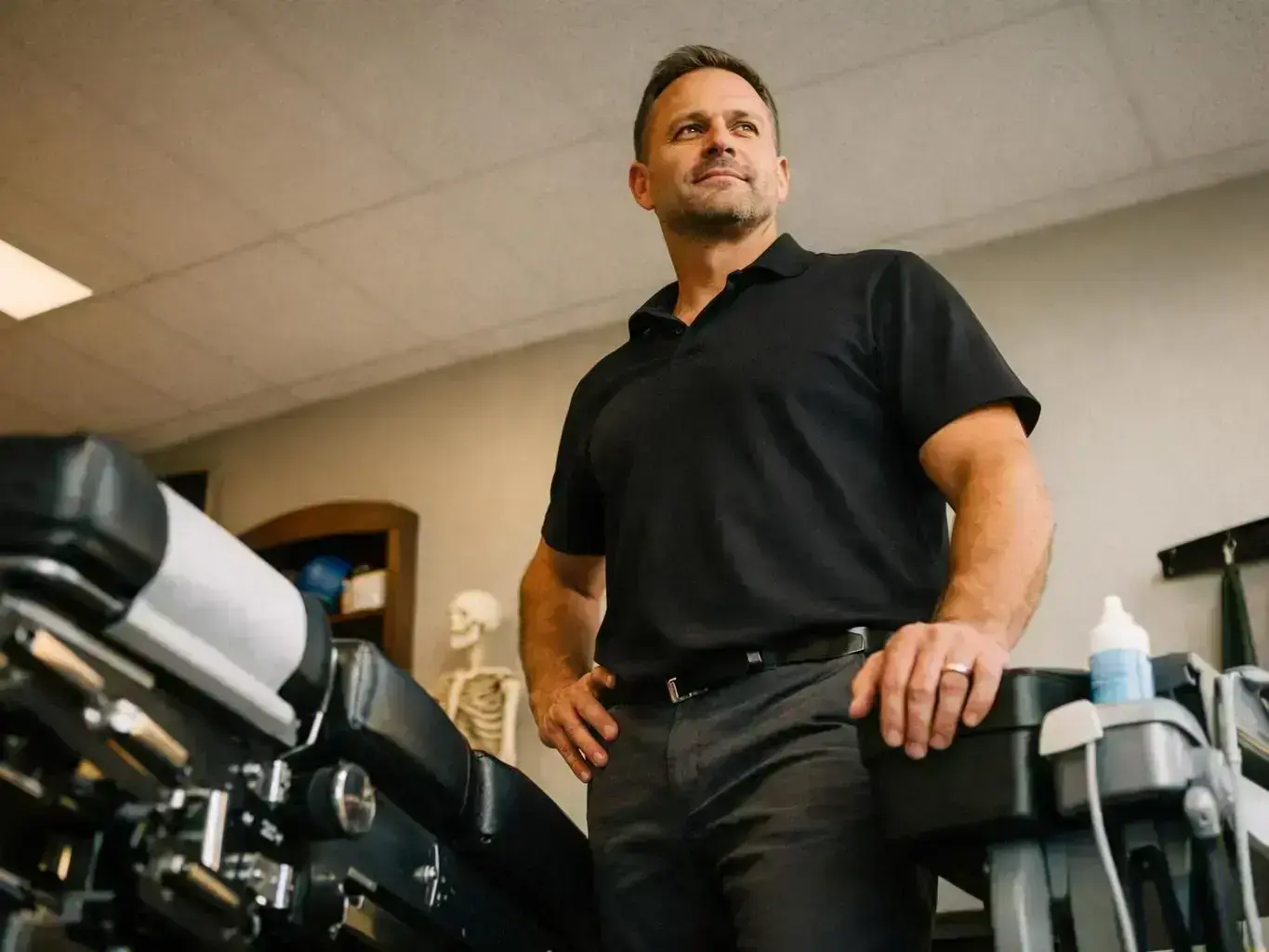
Neuromuscular Re-education typically begins with an assessment to identify movement dysfunctions. A chiropractor or physical therapist may observe how a person walks, bends. Or performs daily tasks to spot compensation patterns. For instance, someone with low back pain might unconsciously shift their weight to one side, leading to muscle imbalances. Once these patterns are identified, the therapist designs a personalized plan that includes exercises, stretches. And hands-on techniques to retrain the nervous system.
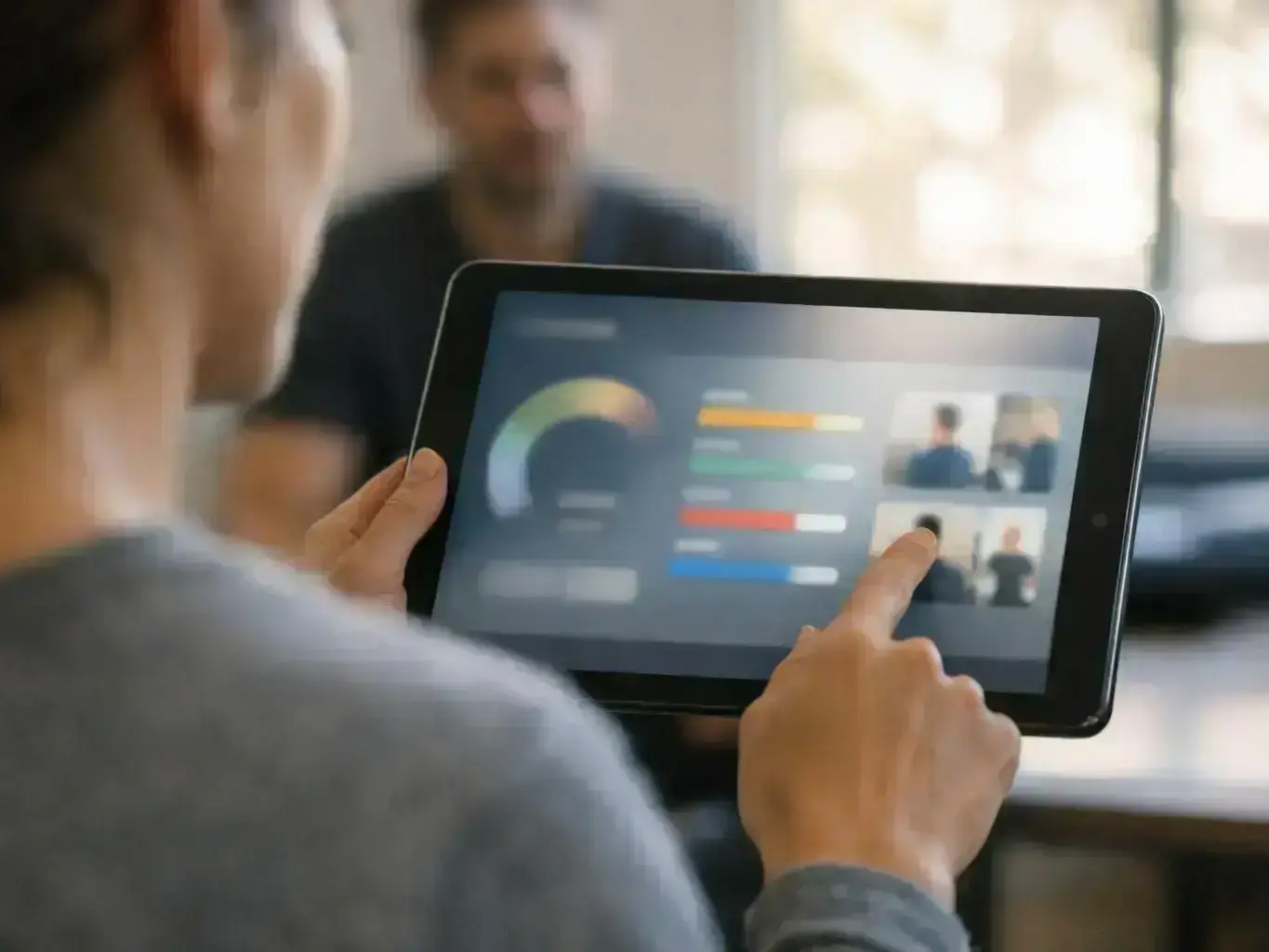
The process often involves low-resistance, high-repetition movements to reinforce proper muscle activation. For example, a therapist might guide a patient through gentle leg lifts to teach the brain how to engage the correct muscles without overcompensating. Biofeedback tools, such as electrodes that measure muscle activity, are sometimes used to provide real-time feedback. Over time, these exercises help the brain and muscles relearn efficient movement, reducing pain and improving function. Consistency is key—patients usually perform exercises both in sessions and at home to reinforce progress.
Why Neuromuscular Re-education Matters?
Neuromuscular Re-education matters because it addresses the root cause of movement dysfunction, not just the symptoms. Many people with chronic pain or injuries develop compensation patterns that lead to further problems, such as joint stress or muscle strain. For example, someone with a knee injury might start favoring the other leg, which can eventually cause hip or back pain. By retraining the nervous system, Neuromuscular Re-education helps break this cycle, allowing the body to move more naturally and reducing the risk of future injuries.
This technique also improves quality of life by restoring functional movement. Simple tasks like climbing stairs, carrying groceries. Or playing with children can become difficult after an injury. Neuromuscular Re-education helps people regain confidence in their bodies by teaching them how to move safely and efficiently. It's particularly valuable for athletes, older adults. And individuals recovering from surgery, as it helps them return to their daily activities or sports with less pain and better performance.
When Neuromuscular Re-education Matters Most?
Neuromuscular Re-education is most important in situations where movement patterns have been disrupted by injury, surgery. Or chronic conditions. For example, after a car accident, a person might develop whiplash, leading to neck stiffness and altered movement. Without intervention, these changes can become permanent, causing long-term pain and reduced mobility. Similarly, athletes recovering from a ligament tear may need Neuromuscular Re-education to regain proper muscle activation and prevent re-injury. It is also beneficial for older adults experiencing balance issues, as it helps improve coordination and reduces the risk of falls.
This technique is often included in full rehabilitation programs alongside other therapies like chiropractic adjustments or physical therapy. It is especially useful when traditional treatments, such as medication or rest, have not fully resolved movement dysfunctions. Patients typically notice improvements within a few weeks. But the timeline varies depending on the severity of the condition and the consistency of practice. For best results, Neuromuscular Re-education should be guided by a qualified professional who can tailor the approach to the individual’s needs.