Understanding Physical Rehabilitation
Physical rehab helps people move again. They may have lost this from injury or surgery. It also helps with sickness.
Rehab is not just exercise. It has clear goals. Doctors or therapists plan it for each person.
It makes you stronger and more flexible. It helps with balance too. This lets people live on their own.
Rehab can help with many problems. These include sports injuries or pain that won't go away. It also helps after surgery.
Each rehab plan is different. It fits the person's needs. A knee surgery patient may do different things.
They might work on standing or moving their knee. Someone with a back injury may need other help.
They could work on their core or use tools to move. The plan starts easy and gets harder.
This keeps it safe. It helps people get better without new injuries.
How Physical Rehabilitation Works?
Rehab uses exercises and hands-on help. It may also use tools. These fix movement problems.
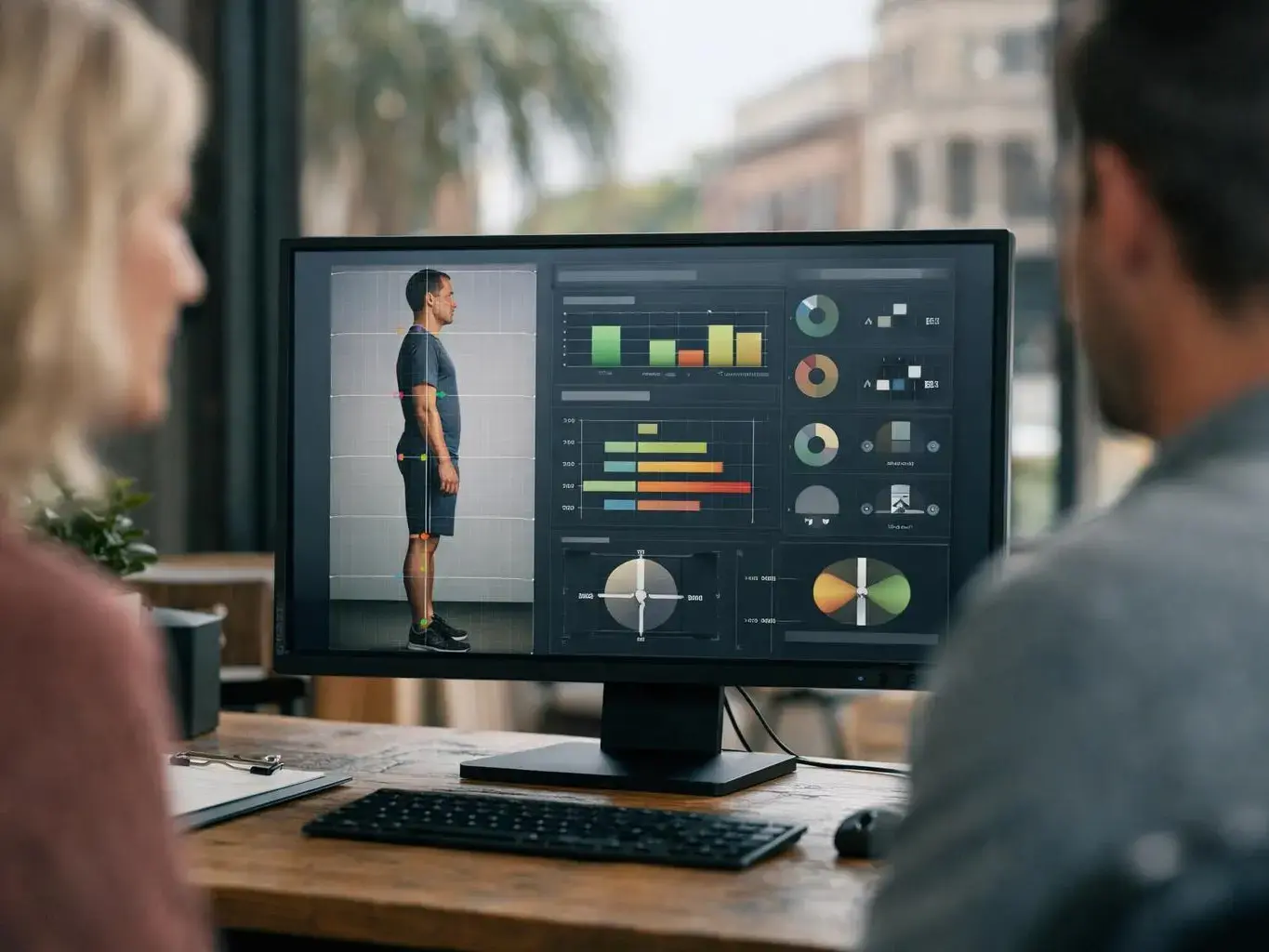
A doctor or therapist checks you first. They see what you can do. They also learn your goals.
Then they make a plan just for you. It may include stretching or strengthening. It could have balance work too.
They may use ice, heat. Or small shocks. These help with pain.
Therapists may move your joints for you. They may work on your muscles too. This helps you feel less stiff.
It also helps blood flow. A chiropractor may adjust your back. They may also use massage.
Tools like braces or bands can help. They support your body. They also help you get stronger.
How often you go depends on your problem. Most plans last weeks or months.
- Exercises: They make you stronger. They help you move better too.
- Manual Therapies: Hands-on help for joints and muscles.
- Pain Management: Ice, heat, or small shocks to ease pain.
- Education: They teach you safe ways to move.
Why Physical Rehabilitation Matters?
Rehab helps you do daily tasks again. You can work or play with less pain. You'll feel more sure of yourself.
Without rehab, problems can last. You might get weak muscles or stiff joints. Pain could stay too.
For example, if you don't move a joint, it may stay stiff. After surgery, you might not get strong again.
Rehab stops these problems. It helps you heal. It keeps new issues from starting.
Rehab helps your mind too. Pain or not being able to move is hard. It can make you sad or worried.
Rehab gives you a plan. You see yourself getting better. This helps you feel in control.
Athletes can go back to sports. Workers can do their jobs again. Older people can move safer too.
Rehab helps them stay independent. It lowers the chance of falls.
When Physical Rehabilitation Matters Most?
Rehab is key after big problems. These include injuries or surgeries. It also helps with long-term sickness.
People hurt in car accidents need rehab. So do those with sports injuries. Surgery patients need it too.
Without rehab, pain may last. You might not move well again. You could even have lasting problems.
Rehab also helps with long-term pain. This includes arthritis or back pain. It can make daily tasks easier.
Starting rehab soon is best. It helps avoid problems like weak muscles. It also stops joints from getting stiff.
For example, knee surgery patients should start fast. They'll move better than if they wait.
Rehab also stops future injuries. Workers or athletes can use it. It fixes weak spots and bad habits.
This helps people stay active and safe.
- Post-Surgery: Helps after surgeries like joint fixes or back work.
- Injury Recovery: Helps after accidents, falls, or sports injuries.
- Chronic Conditions: Helps with arthritis, back pain, or nerve problems.
- Prevention: Stops future injuries by making you stronger.