Glossary

What is Muscle Strain?

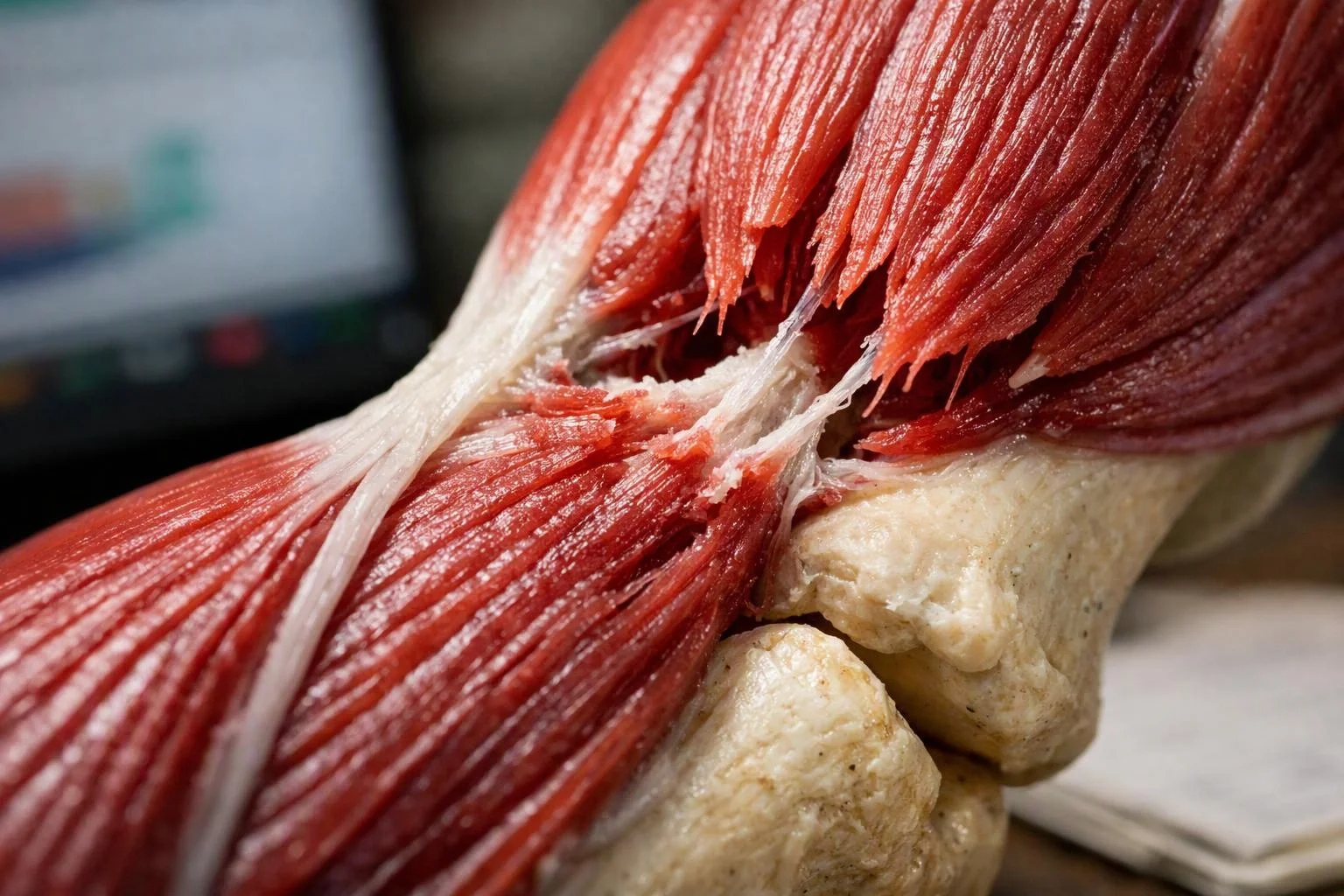
Muscle Strain is an injury that occurs when muscle fibers stretch too far or tear due to overuse, sudden movement. Or excessive force. It often causes pain, swelling. And limited movement in the affected area. Muscle strains commonly affect the back, neck, shoulders. And legs, especially during physical activity or heavy lifting.

Reviewed by Dr. Harry W. Brown, D.C.Sources reviewed: Mayo Clinic, American Academy of Orthopaedic Surgeons

Quick Facts About Muscle Strain

Category

Soft tissue injury

Used for

Understanding muscle pain after activity

Common confusion

Often mistaken for ligament sprains

Also called

Pulled muscle, Muscle tear

Often discussed with

Personal Injury Chiropractic Care, Sports Injury Chiropractic Care

Key Takeaways About Muscle Strain

Understanding Muscle Strain

Muscle Strain in Chiropractor—Savannah

A muscle strain is also called a pulled muscle. It happens when muscle fibers stretch too far. They can also tear.

Related glossary terms: Soft Tissue Therapy, Ligament Sprain, Physical Rehabilitation.

This injury can happen daily. Lifting heavy things can cause it. So can playing sports or sudden moves.

Your muscles handle stress. But too much force can hurt them. Doing the same move over and over can too.

Strains are not sprains. Sprains hurt ligaments, not muscles.

Most strains are mild. They heal with rest. Some need a doctor.

Doctors grade strains from 1 to 3. Grade 1 is a little stretch and pain. Grade 3 is a full tear.

A full tear hurts a lot. You may not move right. Spot signs early to heal faster.

How Muscle Strain Works?

Muscle strain happens fast. Muscles work too hard. They face too much push.

This can happen when you run. It can happen when you jump. Lifting weights can do it too.

Cold or tired muscles get hurt easier. A sudden push can tear them. This causes pain and swelling.

Sometimes you see bruises. The tears are small. But they hurt.

Doctors check your muscles. They look for pain and swelling. They see how far you can move.

Sometimes they use tests. Ultrasounds show the hurt. MRIs (a type of scan) show it too.

Most strains need R.I.C.E. Rest is first. Ice comes next. Then wrap it tight.

Keep it up high. This helps it heal. Later, stretch and move it gently.

This makes it strong again. It keeps you from getting hurt again.

Why Muscle Strain Matters?

Muscle strains hurt more than just a little. They can stop you from moving.

Athletes miss games. Active people miss fun. Even small strains cause problems.

You may move differently. This can hurt other muscles. It can hurt joints too.

Don't ignore pain. Pushing through makes it worse. It takes longer to heal.

Good care stops big problems. Know how strains happen. This helps you stay safe.

Warm up before you move. Use the right way to lift. Don't push too hard.

If your job or fun repeats moves, take breaks. Change how you sit or stand.

When Muscle Strain Matters Most?

Some strains are worse. They hurt your back, neck. Or legs. These can cause big problems.

Back strains hurt for a long time. You may not move well. Some people get hurt more.

Athletes get strains. Workers get them too. Older people get them easier.

Accidents cause strains. Car crashes can do it. Sports hits can too.

In Savannah, GA, strains are common. People play sports outside. They work hard too.

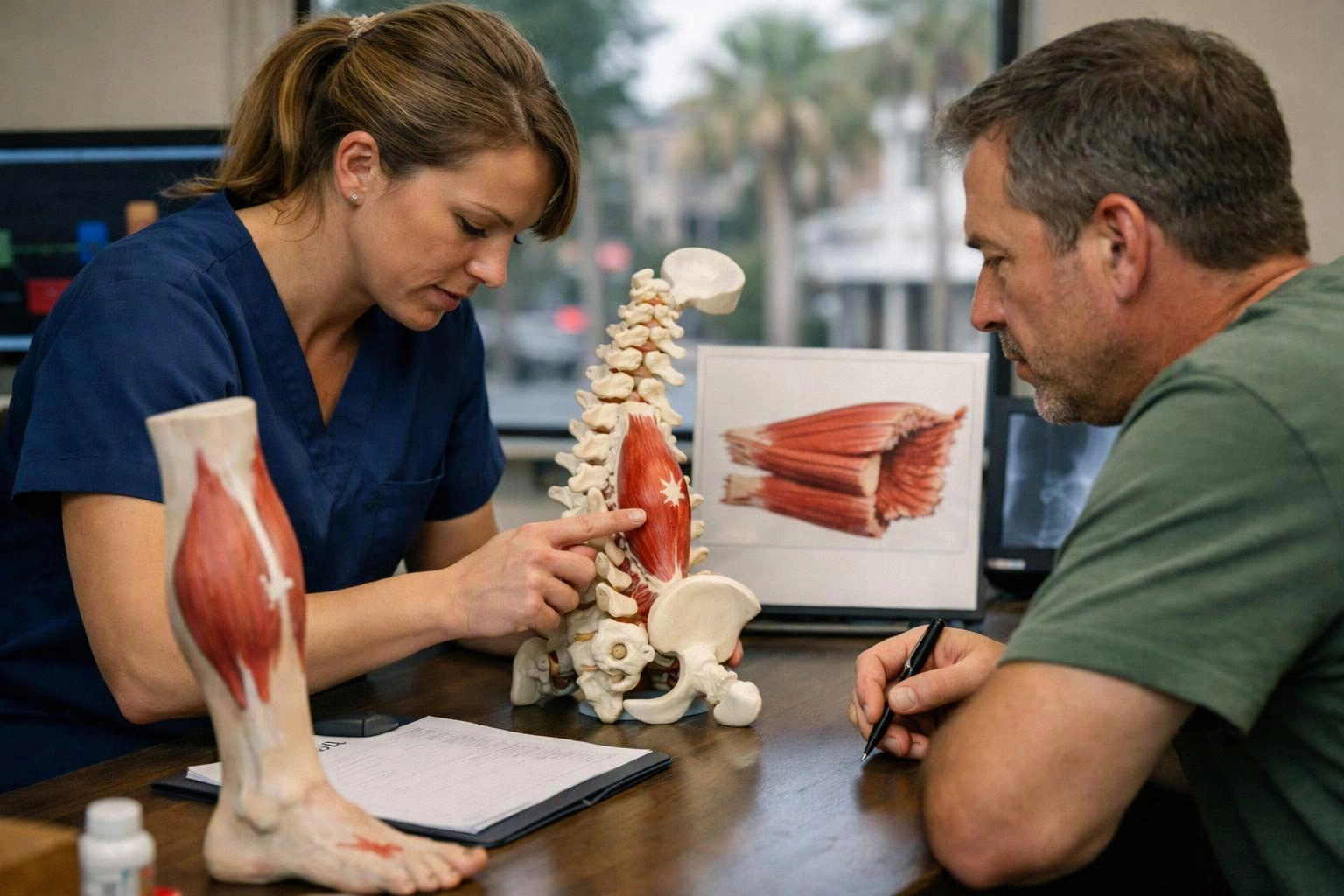
Many see a chiropractor (a muscle and bone doctor). They check the hurt. They help it heal.

They do soft tissue work. They adjust your body. They help you get better fast.

See them early. This stops worse pain. It helps you move right again.

How to Evaluate Muscle Strain?

Related Concepts Compared

Muscle Strain vs. Ligament Sprain

A sprain affects ligaments (tissues connecting bones). While a strain affects muscles or tendons (tissues connecting muscles to bones).

Muscle Strain vs. Muscle Fatigue

Fatigue is temporary muscle weakness from overuse. While a strain involves actual tissue damage and pain.

Expert Note

Muscle strains often heal on their own. But persistent pain or weakness may indicate a deeper issue like a partial tear. Gradual rehabilitation is key—rushing back into activity too soon can re-injure the muscle.

Common Mistakes or Myths About Muscle Strain

  • Ignoring mild strains and continuing activity, which can worsen the injury.
  • Using heat instead of ice immediately after injury, increasing swelling and pain.
  • Assuming all muscle pain is a strain—some conditions, like herniated discs, require different treatment.
  • Skipping warm-ups before exercise, increasing the risk of strains.

Muscle Strain in Practice: A Real-World Example

A warehouse worker in Savannah lifts a heavy box without bending his knees, feeling a sharp pain in his lower back. The next day, he notices swelling and stiffness, making it hard to stand up straight. His doctor diagnoses a Grade 1 muscle strain and recommends rest, ice. And gentle stretching to help it heal.

Sources & Further Reading on Muscle Strain

Related Services

Related Terms

Soft Tissue Therapy

Soft Tissue Therapy is a hands-on treatment that targets muscles, tendons, ligaments. And fascia to reduce pain, improve mobility. And speed healing. Soft Tissue Therapy includes techniques like massage, stretching. And pressure to break up scar tissue, ease tension.

Ligament Sprain

Ligament Sprain is an injury to a ligament—the tough, fibrous tissue that connects bones to other bones at joints—caused by overstretching or tearing. Ligament sprains typically occur during sudden twists, falls. Or impacts, leading to pain, swelling, bruising. And reduced joint stability. Common sites include ankles, knees, wrists. And shoulders.

Physical Rehabilitation

Physical Rehabilitation is a structured program of exercises, therapies. And interventions designed to restore function, reduce pain. And improve mobility after injury, surgery. Or illness. Physical Rehabilitation helps patients regain strength, flexibility.

Trigger Point Therapy

Trigger Point Therapy is a manual treatment technique used to relieve pain and improve muscle function by applying focused pressure to tight, sensitive spots—called trigger points—in muscles. These points often cause referred pain, meaning discomfort felt in another area of the body. The therapy aims to release tension, restore mobility.

Chiropractic Care

Chiropractic Care is a health care profession focused on diagnosing and treating musculoskeletal disorders, especially those related to the spine. Chiropractic Care uses hands-on spinal manipulation and other alternative treatments to align the body’s musculoskeletal structure, particularly the spine, to enable the body to heal itself without surgery or medication.

Arrowhead Clinic Chiropractor

Have Questions About Muscle Strain?

Contact Arrowhead Clinic Chiropractor for practical guidance on Muscle Strain and related chiropractor work in Savannah.

+1 912-378-1371