Understanding Back Pain
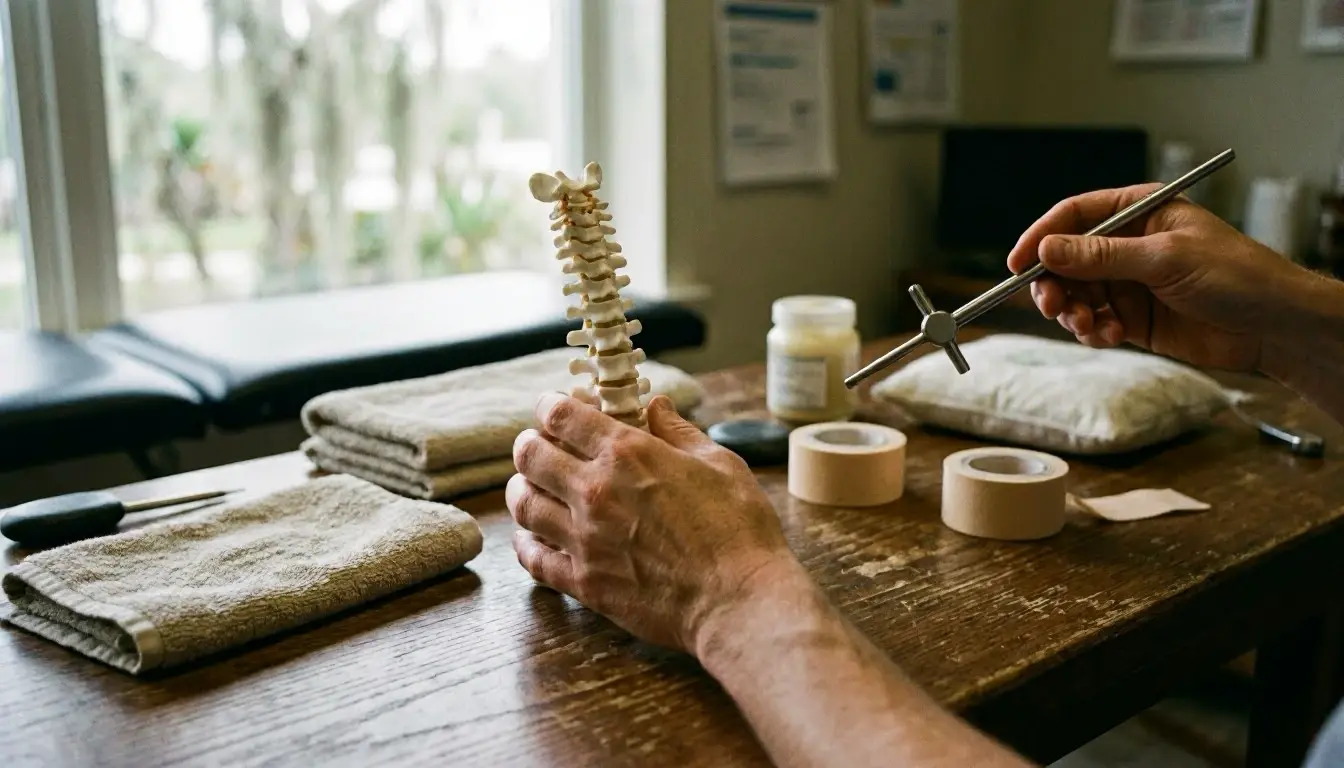
Back Pain is a common condition that affects people of all ages and lifestyles. It refers to any discomfort, ache. Or stiffness felt in the back, which includes the cervical (neck), thoracic (mid-back). And lumbar (lower back) regions of the spine. The pain can be acute, lasting a few days to weeks. Or chronic, persisting for months or longer. While Back Pain is often not serious and improves with self-care, it can sometimes signal a more severe underlying issue, such as a herniated disc, arthritis. Or spinal stenosis.
Back Pain varies widely in intensity and sensation. Some people describe it as a sharp, stabbing pain. While others feel a dull, constant ache. The pain may stay localized in the back or radiate to other areas, such as the arms, legs. Or buttocks. For example, sciatica—a type of Back Pain—often causes shooting pain down the leg due to pressure on the sciatic nerve. Other symptoms may include muscle stiffness, reduced range of motion. Or difficulty standing up straight. Understanding the type and location of Back Pain helps determine its cause and the best approach for relief.
How Back Pain Works?
Back Pain typically arises from issues involving the spine, muscles, nerves. Or surrounding structures. The spine is made up of vertebrae (bones), intervertebral discs (cushions between bones), ligaments, tendons. And muscles. When any of these components are strained, inflamed. Or damaged, they can send pain signals to the brain. For instance, lifting a heavy object improperly may strain the muscles or ligaments in the lower back, leading to acute Back Pain. Over time, poor posture—such as slouching while sitting, can weaken the muscles supporting the spine, causing chronic discomfort.
Nerve-related Back Pain occurs when a nerve in the spine becomes compressed or irritated. This can happen due to a herniated disc, where the soft inner material of a disc leaks out and presses on a nerve. Conditions like spinal stenosis, where the spinal canal narrows and puts pressure on the spinal cord or nerves, can also cause Back Pain. And arthritis or wear-and-tear of the spine joints (facet joints) can lead to inflammation and pain, particularly in older adults. Understanding the source of Back Pain helps guide treatment, whether it involves rest, physical therapy. Or professional interventions like chiropractic care.
Why Back Pain Matters?
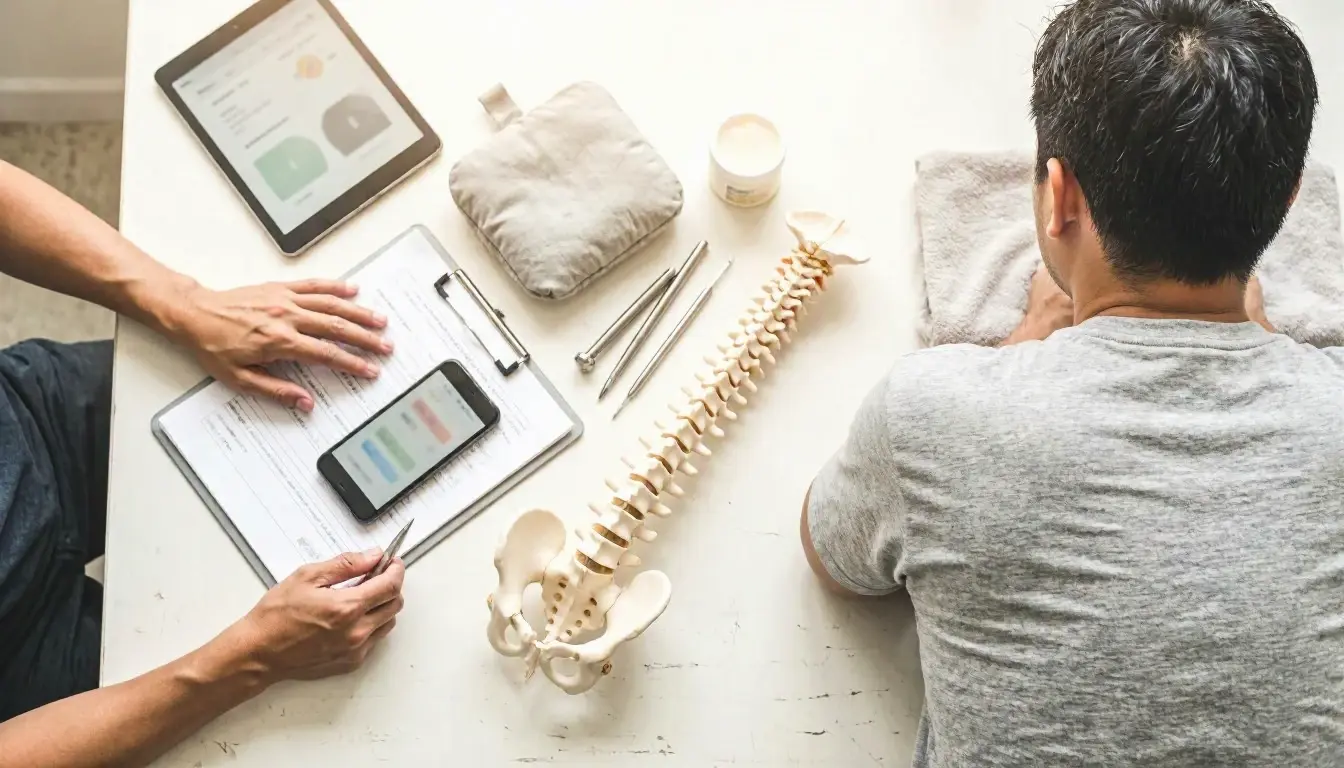
Back Pain is one of the most common reasons people visit healthcare providers or miss work. It can significantly impact quality of life by limiting mobility, disrupting sleep. And reducing the ability to perform daily tasks. For example, someone with severe Back Pain may struggle to sit at a desk, lift groceries. Or even walk short distances. Over time, untreated Back Pain can lead to muscle weakness, joint stiffness. And compensatory movement patterns that increase the risk of further injury. Addressing Back Pain early can prevent it from becoming a long-term problem and help maintain an active, healthy lifestyle.
Beyond physical discomfort, Back Pain can also affect mental well-being. Chronic pain is often linked to stress, anxiety. And depression, as the constant discomfort can make it difficult to focus, enjoy hobbies. Or engage in social activities. For many people, managing Back Pain effectively restores not just physical function but also emotional and mental health. Whether through self-care, exercise. Or professional treatment, taking steps to reduce Back Pain can improve overall well-being and productivity.
When Back Pain Matters Most?
Back Pain becomes particularly important in certain situations, such as after an injury, during pregnancy. Or when it interferes with work or daily activities. For example, athletes or laborers who rely on physical strength may experience Back Pain due to repetitive motions or heavy lifting. In these cases, addressing the pain quickly can prevent further damage and allow them to return to their activities safely. Similarly, people with sedentary jobs - like office workers or drivers, may develop Back Pain from prolonged sitting, making ergonomic adjustments and regular movement essential for prevention.
Many projects start with Back Pain also requires attention if it's accompanied by other symptoms, such as numbness, tingling, weakness in the legs. Or loss of bladder or bowel control. These signs may indicate a serious condition, such as cauda equina syndrome, which requires immediate medical care. And individuals with chronic conditions like osteoporosis or arthritis may experience Back Pain more frequently and need ongoing management to maintain mobility and comfort. Recognizing when Back Pain is a sign of a more serious issue ensures timely treatment and reduces the risk of long-term complications.