Glossary

What is Chiropractic Table?

Chiropractic Table is chiropractic Tables are specialized medical tables designed for chiropractic care, allowing precise patient positioning during spinal adjustments and therapies. These tables often include adjustable sections, drop mechanisms. Or cushioned surfaces to support safe and effective manual manipulations, decompression.

Reviewed by Dr. Harry W. Brown, D.C.

Quick Facts About Chiropractic Table

Term

Chiropractic Table

Category

Definition

Key Takeaways About Chiropractic Table

Understanding Chiropractic Table
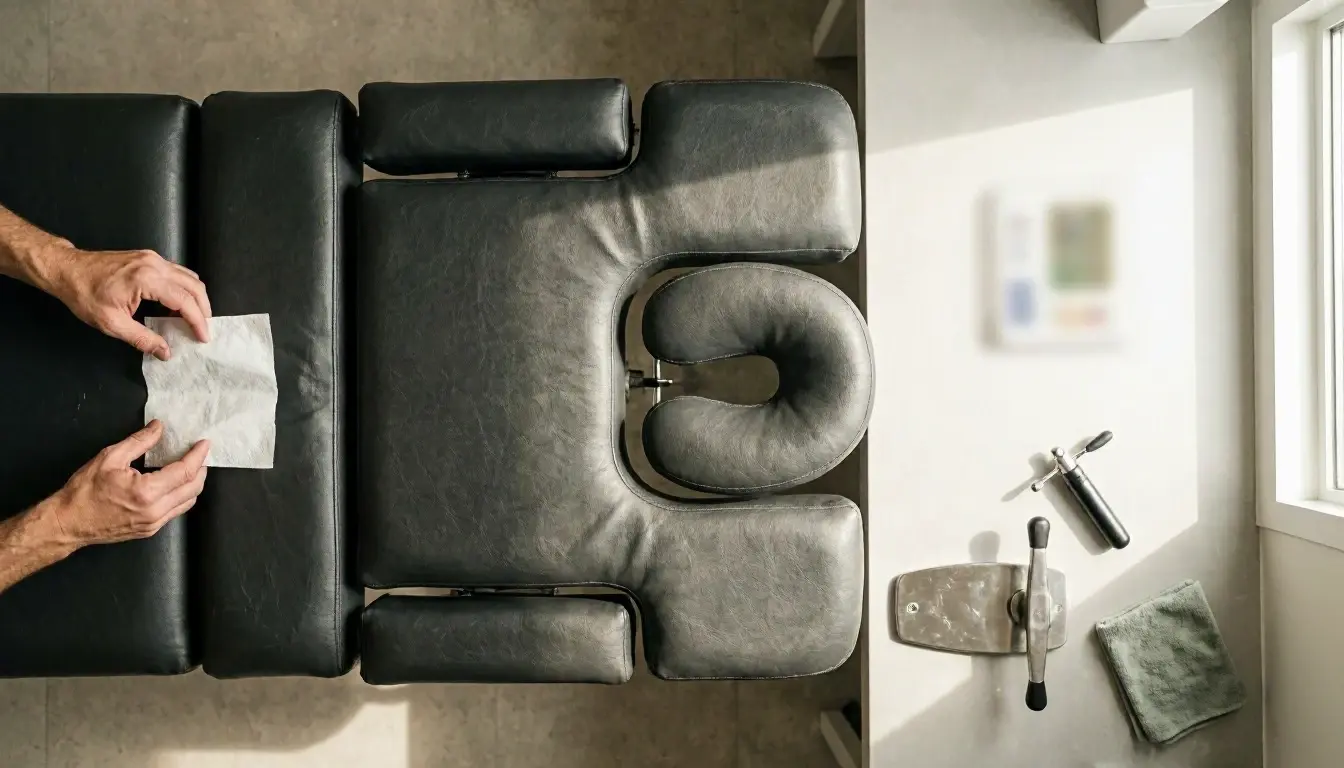
Chiropractic Table in Chiropractor—Savannah

A chiropractic table is a key tool in any chiropractic clinic, designed specifically to support the unique needs of spinal and joint adjustments. Unlike standard exam tables, chiropractic tables feature adjustable sections, drop pieces. Or padded surfaces that allow patients to lie comfortably while the chiropractor performs manual manipulations. These tables help ensure that the patient’s body is properly aligned and supported during treatment, reducing unnecessary strain on both the patient and the practitioner.

Chiropractic tables come in various designs, each suited to different types of care. Some tables include segmented sections that can be raised or lowered to target specific areas of the spine or joints. Others may have drop mechanisms, which allow a section of the table to quickly lower under pressure, assisting the chiropractor in delivering a controlled adjustment. The padding and ergonomic design of these tables also help patients relax, making the treatment process smoother and more effective.

How Chiropractic Tables Work?

Chiropractic tables are built to accommodate the specific movements and techniques used in chiropractic care. For example, a drop-table feature allows a section of the table to momentarily lower when the chiropractor applies pressure, helping to deliver a precise adjustment with less force. This mechanism is particularly useful for patients who may be sensitive to manual manipulation or require gentler techniques. The drop piece absorbs some of the impact, making the adjustment more comfortable while still achieving the desired therapeutic effect.

Other chiropractic tables include adjustable sections that can be raised or tilted to position the patient’s body optimally for treatment. For instance, a table with a liftable lumbar section can help decompress the lower back, making it easier for the chiropractor to address issues like herniated discs or sciatica. Some tables also include face cutouts or armrests to ensure patient comfort during longer sessions, such as those involving electrical muscle stimulation or therapeutic ultrasound.

A common issue is In addition to supporting adjustments, chiropractic tables are often used for complementary therapies like spinal decompression or soft-tissue work. Tables designed for decompression may include motorized traction systems that gently stretch the spine, relieving pressure on nerves or discs. Meanwhile, tables used for soft-tissue therapies, such as the Graston Technique or trigger point therapy, may have firmer surfaces to provide the necessary resistance for effective treatment.

Why Chiropractic Tables Matter?

Chiropractic tables play a critical role in the safety and effectiveness of chiropractic care. Properly designed tables help chiropractors perform adjustments with greater precision, reducing the risk of injury to the patient or strain on the practitioner. For example, a table with a drop mechanism allows the chiropractor to deliver a quick, controlled adjustment without using excessive force, which is especially important for patients with fragile bones or acute pain. Without these specialized features, manual manipulations could be less effective or even uncomfortable for the patient.

Beyond safety, chiropractic tables also boost the patient experience by improving comfort and accessibility. Tables with adjustable heights or sections can accommodate patients of all sizes, including those with mobility limitations or obesity. Face cutouts and padded surfaces help patients relax during treatment, which can improve outcomes by reducing muscle tension. For chiropractors, ergonomic table designs reduce physical strain, allowing them to perform adjustments more efficiently and with less fatigue over time.

When Chiropractic Tables Matter Most?

Chiropractic tables are most important in situations where precise positioning and patient comfort are critical to treatment success. For example, patients with severe back pain, herniated discs. Or sciatica often require specialized tables with decompression or drop features to ensure the adjustment is both effective and comfortable. Similarly, athletes or individuals recovering from injuries may benefit from tables designed for soft-tissue work, as these tables provide the necessary support for techniques like Active Release Technique or neuromuscular re-education.

Chiropractic tables also become essential when treating patients with unique needs, such as pregnant women, children. Or elderly individuals. Tables with adjustable sections or extra padding can accommodate the changing bodies of pregnant women. While smaller or lighter tables may be used for pediatric patients. For elderly patients, tables with gentle drop mechanisms or decompression features can help address age-related conditions like arthritis or spinal stenosis without causing discomfort.

In clinical settings, the choice of chiropractic table can also influence workflow efficiency. Tables with multiple features, such as combined drop and decompression capabilities, allow chiropractors to perform a variety of treatments without requiring patients to switch tables. This versatility is particularly valuable in busy clinics where time and space are limited, ensuring that patients receive consistent, high-quality care during each visit.

Expert Note

A well-designed chiropractic table is not just a piece of furniture—it’s an extension of the chiropractor’s hands. The right table enhances precision, reduces strain.

Chiropractic Table in Practice: A Real-World Example

During a session for low back pain, a chiropractor uses a drop-table to perform a lumbar adjustment. The patient lies face down. And the chiropractor applies pressure to the lower back, causing the drop section to momentarily lower. This controlled movement helps realign the spine with minimal force, providing relief without discomfort.

Arrowhead Clinic Chiropractor

Have Questions About Chiropractic Table?

Contact Arrowhead Clinic Chiropractor for practical guidance on Chiropractic Table and related chiropractor work in Savannah.

+1 912-378-1371