Glossary

What is Thompson Technique?

Thompson Technique is a chiropractic method that uses a specialized drop-table to deliver precise, low-force spinal adjustments. Thompson Technique involves analyzing leg length differences to identify spinal misalignments, then applying gentle thrusts to specific areas while the table’s sections drop slightly, enhancing the adjustment’s effectiveness and patient comfort.

Reviewed by ChiropractorSavannahGa.linkSources reviewed: American Chiropractic Association, International Chiropractors Association

Quick Facts About Thompson Technique

Category

Chiropractic adjustment technique

Used for

Spinal misalignments, back pain, neck pain, joint dysfunction

Common confusion

Often mistaken for Diversified Technique, which uses manual thrusts without a drop-table

Also called

Thompson Drop Technique, Thompson Drop Table Technique

Often discussed with

Chiropractic Consultation and Diagnosis, Car Accident Injury Rehabilitation

Key Takeaways About Thompson Technique

Understanding Thompson Technique

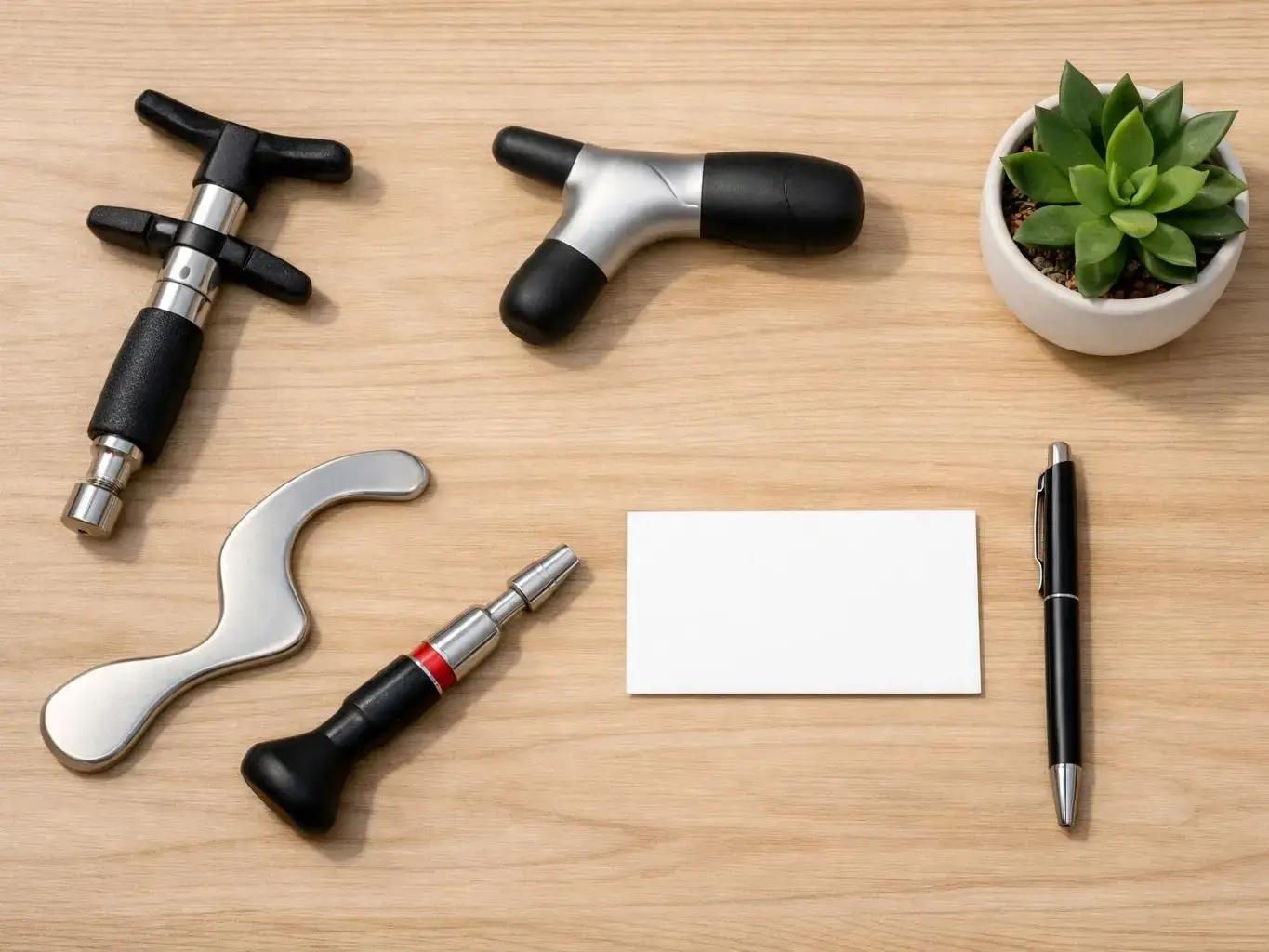
Thompson Technique in Chiropractor: Thompson Technique is a chiropractic method that uses a specialized drop-table to—visu...

Thompson Technique is a chiropractic approach developed by Dr. J. Clay Thompson in the 1950s. It was designed to improve the precision and comfort of spinal adjustments by incorporating a drop-table, which has sections that gently drop a few millimeters during the adjustment. This drop reduces the amount of force needed to realign the spine, making the technique particularly suitable for patients who prefer a gentler touch or have conditions that require caution, such as osteoporosis or acute pain.

Related glossary terms: Chiropractic Adjustment, Diversified Technique, Gonstead Technique.

The technique begins with an analysis of leg length, as differences in leg length can indicate misalignments in the pelvis or spine. The chiropractor observes the patient’s legs while they lie face-down on the table to identify these imbalances. Once the misalignment is located, the chiropractor applies a quick, low-force thrust to the targeted area while the drop-table section supports the adjustment by dropping slightly. This combination of thrust and drop enhances the effectiveness of the adjustment while minimizing discomfort for the patient.

How Thompson Technique Works?

The drop-table is the cornerstone of Thompson Technique. Unlike traditional chiropractic tables, a drop-table has sections that can be cocked and released during an adjustment. When the chiropractor applies a thrust to the spine, the table’s section drops a short distance, creating a slight momentum that assists the adjustment. This design allows the chiropractor to use less force while still achieving the desired realignment, which is especially beneficial for patients who may be sensitive to manual adjustments.

The process typically follows these steps: First, the chiropractor conducts a leg length analysis to identify potential misalignments. The patient lies face-down on the table. And the chiropractor compares the length of their legs, looking for discrepancies that suggest pelvic or spinal imbalances. Next, the chiropractor positions the patient on the drop-table and applies a quick, controlled thrust to the targeted area. The table’s section drops slightly during the thrust, amplifying the adjustment’s effect without requiring excessive force. Finally, the chiropractor rechecks the leg length to confirm that the misalignment has been corrected.

Why Thompson Technique Matters?
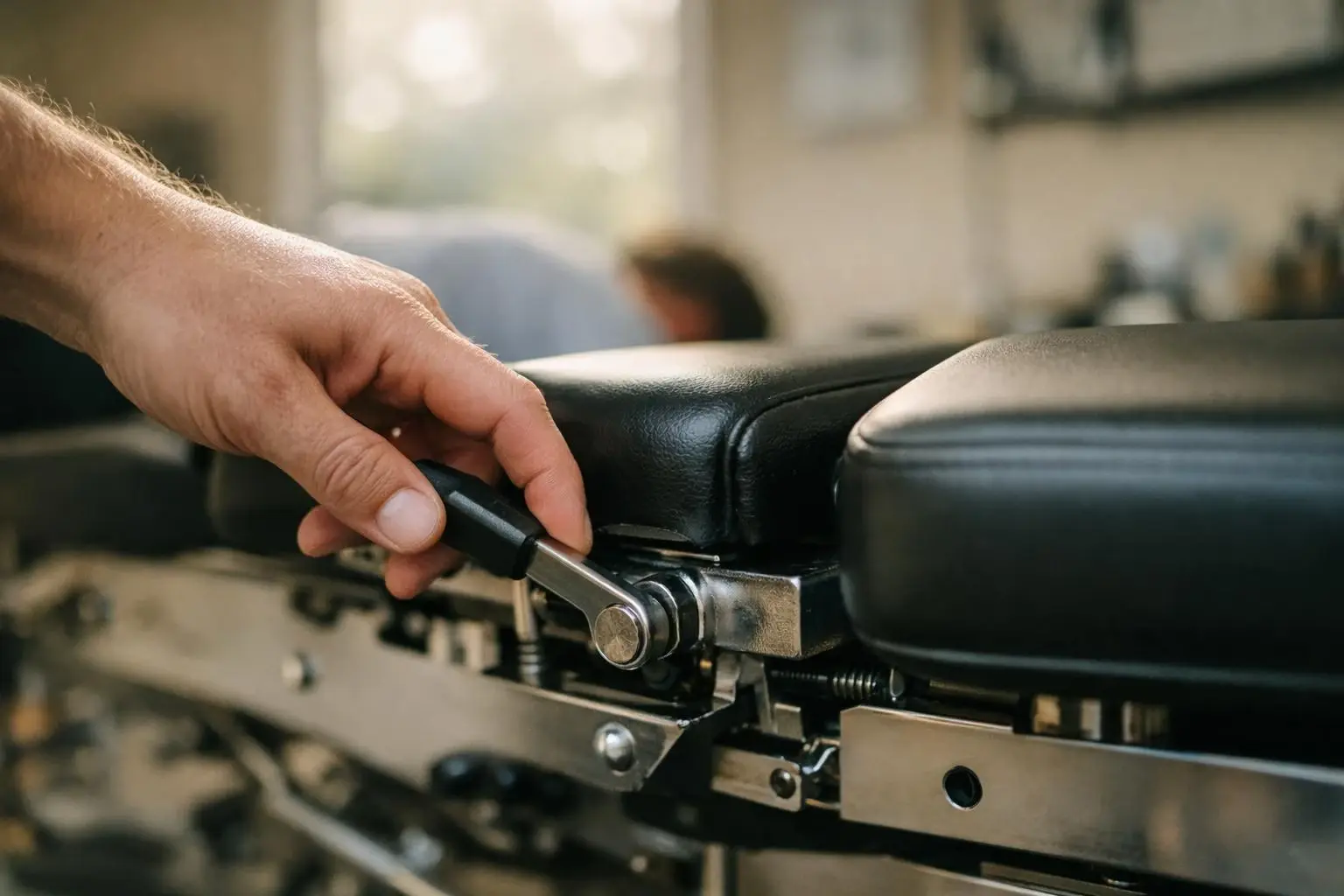
How Thompson Technique applies to Chiropractor services in Savannah, United States—practical illustration

Thompson Technique offers several advantages for both patients and chiropractors. For patients, the technique provides a gentler alternative to traditional manual adjustments, which can sometimes involve more force. This makes it a popular choice for individuals with acute pain, sensitivity. Or conditions like arthritis or osteoporosis, where excessive force could cause discomfort or injury. And the drop-table’s design allows for more precise adjustments, which can improve the effectiveness of the treatment and reduce the number of sessions needed.

Many projects start with For chiropractors, Thompson Technique expands the range of patients they can treat comfortably. The reliance on leg length analysis and the drop-table’s mechanical assistance also reduces the physical strain on the chiropractor, making it a sustainable option for practitioners who perform multiple adjustments daily. The technique’s emphasis on precision and low force aligns with modern chiropractic trends that prioritize patient comfort and safety.

When Thompson Technique Matters Most?

Thompson Technique is particularly valuable in situations where patient comfort and safety are top priorities. For example, it's often used for elderly patients or those with fragile bones, as the low-force adjustments reduce the risk of injury. It is also beneficial for patients who experience anxiety or discomfort during traditional manual adjustments, as the technique’s gentler approach can make the experience less intimidating.

The technique is commonly applied to address conditions such as back pain, neck pain, headaches. And joint dysfunction. It is also useful for patients recovering from injuries, such as whiplash or sports-related strains, where gentle adjustments can promote healing without aggravating the affected area. And Thompson Technique is frequently used in pediatric chiropractic care, as children’s developing spines require careful, low-force adjustments to ensure proper alignment and growth.

In Savannah, GA, where chiropractors often treat patients with diverse needs—including those recovering from auto accidents or work-related injuries—Thompson Technique provides a versatile and effective tool for addressing spinal misalignments while prioritizing patient comfort and safety.

How to Evaluate Thompson Technique?

Related Concepts Compared

Thompson Technique vs. Diversified Technique

Diversified Technique uses manual thrusts without a drop-table, often requiring more force than Thompson Technique.

Thompson Technique vs. Gonstead Technique

Gonstead Technique focuses on detailed X-ray analysis and specific manual adjustments. While Thompson Technique relies on leg length checks and a drop-table.

Thompson Technique vs. Flexion Distraction

Flexion Distraction uses a specialized table to stretch the spine, primarily for disc issues. While Thompson Technique focuses on precise, low-force adjustments.

Expert Note

Thompson Technique is particularly effective for patients who require gentle adjustments. But it requires precise leg length analysis to ensure accurate targeting of misalignments. The drop-table’s mechanical assistance enhances the adjustment’s effectiveness, making it a valuable tool for chiropractors treating a wide range of conditions.

Common Mistakes or Myths About Thompson Technique

  • Assuming Thompson Technique is the same as Diversified Technique because both involve spinal adjustments.
  • Believing the drop-table eliminates the need for skilled chiropractic training.
  • Ignoring leg length analysis, which is critical for accurate adjustments in Thompson Technique.
  • Expecting immediate pain relief after a single adjustment, as multiple sessions may be needed.

Thompson Technique in Practice: A Real-World Example

A patient visits a chiropractor in Savannah, GA, complaining of lower back pain after a car accident. The chiropractor performs a leg length analysis and identifies a pelvic misalignment. Using a drop-table, the chiropractor applies a quick, low-force thrust to the pelvis while the table’s section drops slightly, correcting the misalignment with minimal discomfort for the patient.

Related Services

Related Terms

Chiropractic Adjustment

Chiropractic Adjustment is a precise manual procedure where a licensed chiropractor applies controlled force to a specific joint in the spine or other parts of the body. The goal is to improve alignment, restore motion, reduce nerve irritation. And support the body’s natural healing ability without surgery or medication.

Diversified Technique

Diversified Technique is the most widely used chiropractic adjustment method. It involves precise manual thrusts to restore joint motion, reduce pain. And improve spinal function. Diversified Technique relies on hands-on manipulation rather than instruments, focusing on correcting misalignments called subluxations in the spine and other joints.

Gonstead Technique

Gonstead Technique is a precise, hands-on chiropractic method that focuses on identifying and correcting misalignments in the spine. Gonstead Technique uses detailed analysis, including X-rays, palpation. And instrumentation, to locate specific areas of dysfunction. Adjustments are typically delivered with high specificity and minimal force to restore proper spinal alignment and nervous system function.

Spinal Manipulation

Spinal Manipulation is a hands-on treatment technique used by chiropractors and other trained healthcare providers to apply controlled force to a joint in the spine. This force helps improve spinal motion, reduce pain. And restore function by addressing stiffness or misalignment in the vertebrae.

Flexion Distraction

Flexion Distraction is a gentle, non-surgical chiropractic technique designed to relieve spinal pain and improve mobility. It involves a specialized table that stretches and decompresses the spine, reducing pressure on discs, nerves. And joints. This method is often used for conditions like herniated discs, sciatica.

ChiropractorSavannahGa.link

Have Questions About Thompson Technique?

Contact ChiropractorSavannahGa.link for practical guidance on Thompson Technique and related chiropractor work in Savannah.

+1 912-378-1371