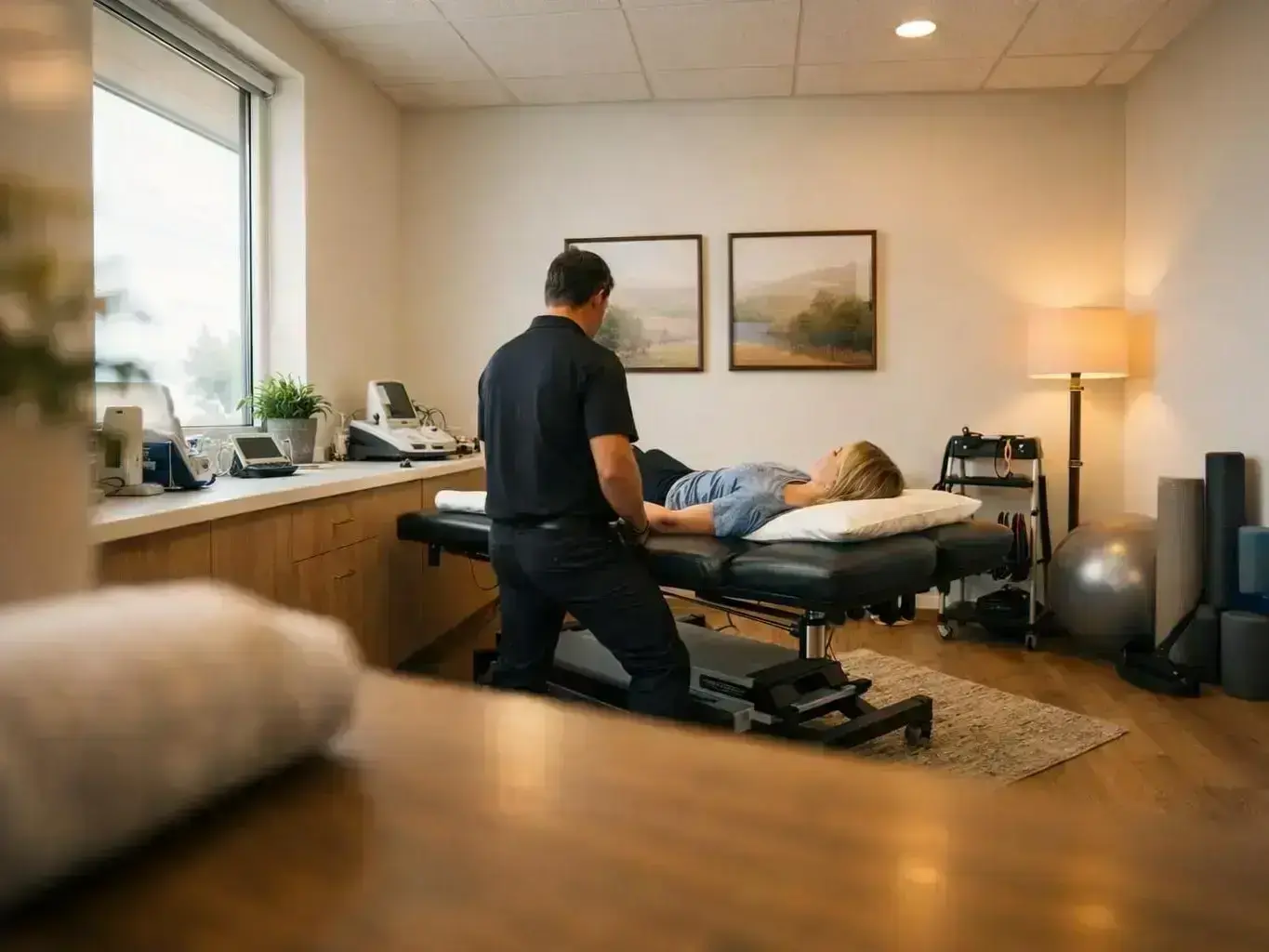
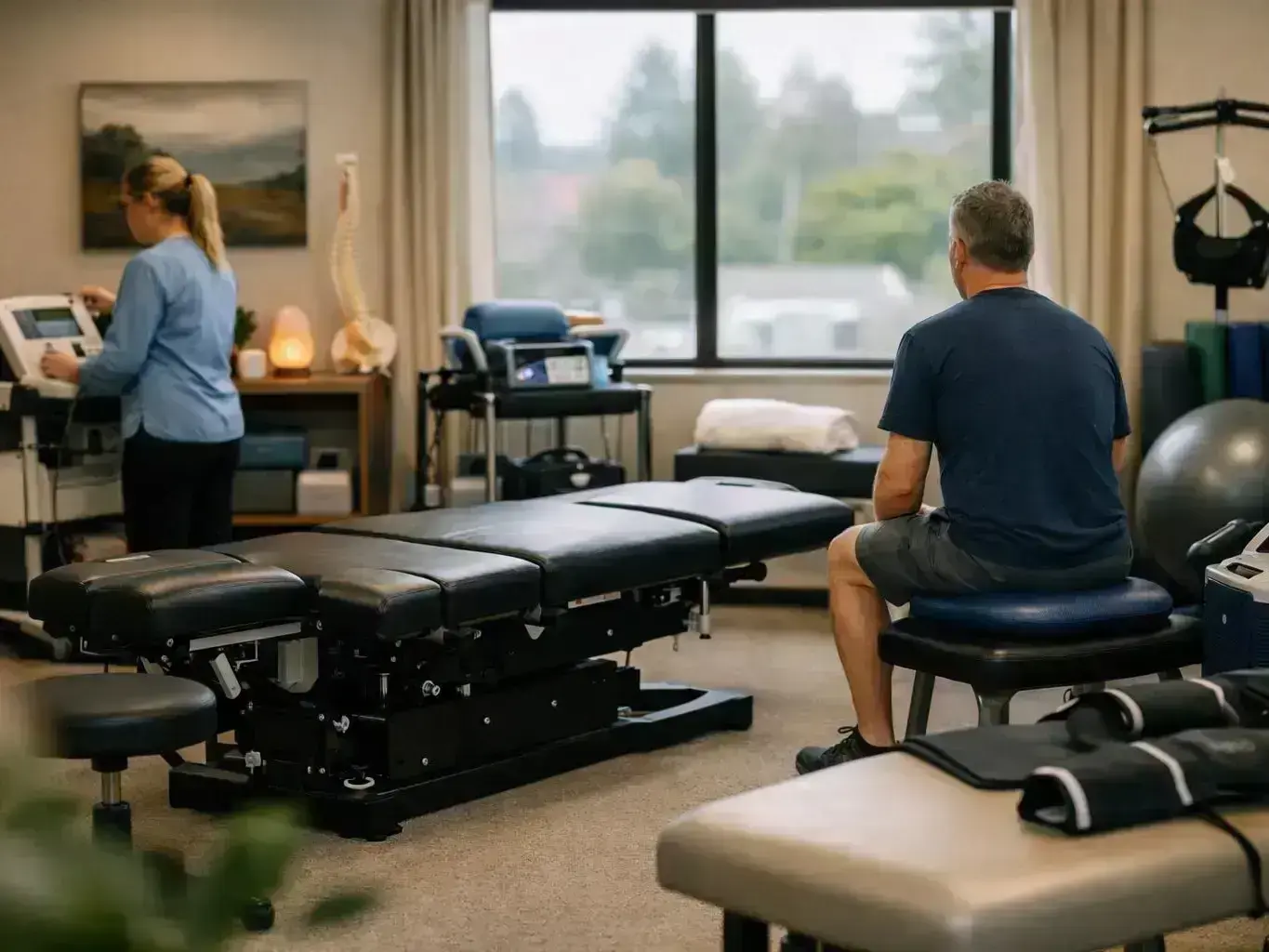
Understanding Spinal Decompression
Spinal Decompression is a therapeutic technique used to treat conditions affecting the spine, particularly those involving compressed nerves or damaged discs. The spine supports the body’s weight and allows movement. But it can also experience pressure from daily activities, injuries. Or age-related wear. Over time, this pressure can lead to disc herniation, bulging discs. Or pinched nerves, causing pain, numbness. Or weakness in the back, legs. Or arms. Spinal Decompression works by gently stretching the spine to reduce this pressure, giving discs room to heal and relieving symptoms.
The treatment is non-invasive, meaning it doesn't require surgery or incisions. Instead, it uses a specialized table or device to apply controlled traction to the spine. This traction creates a negative pressure within the discs, which can help herniated or bulging disc material retract back into place. By reducing pressure on nerves and improving circulation, Spinal Decompression supports the body’s natural healing processes. It's often used as part of a broader treatment plan that may include chiropractic adjustments, physical therapy. Or exercise.
How Spinal Decompression Works?
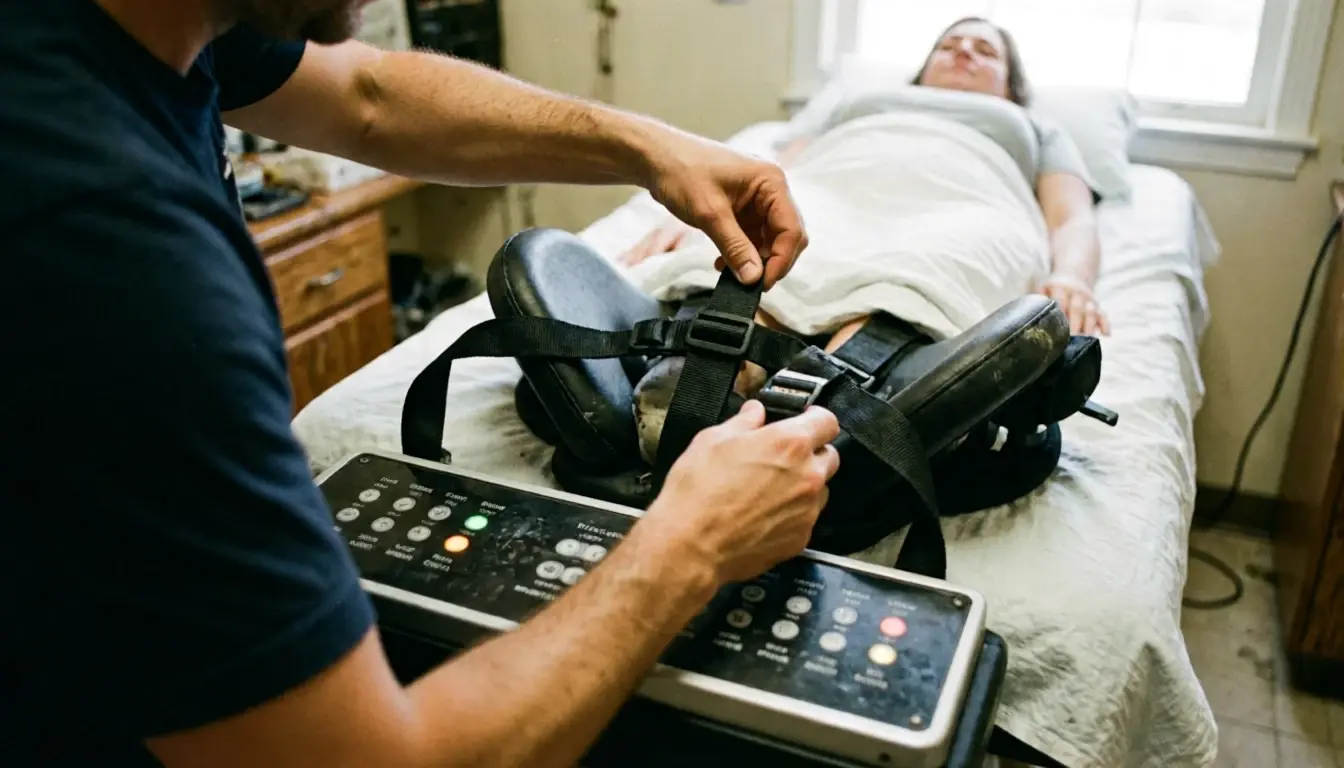
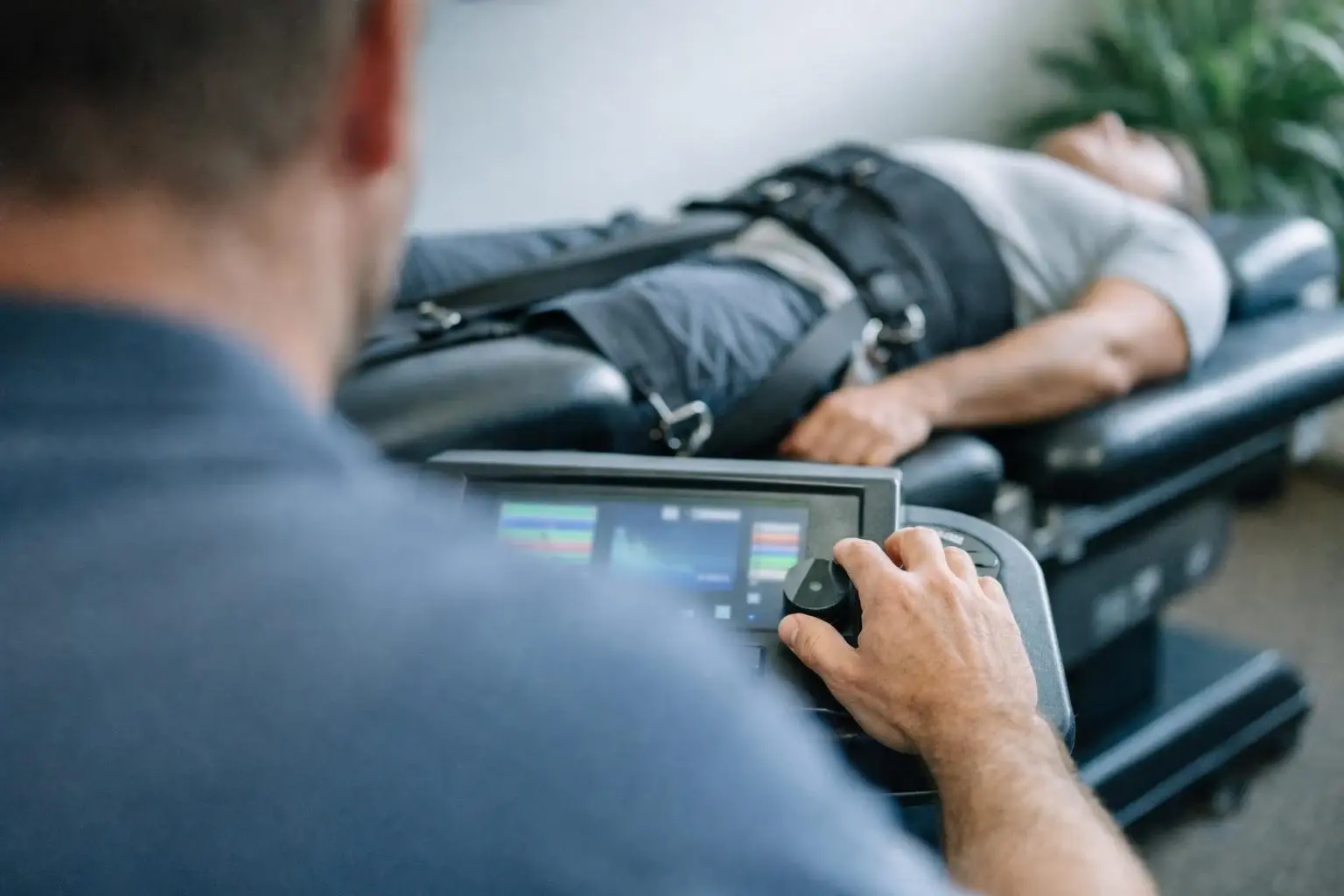
During a Spinal Decompression session, the patient lies on a motorized table, either face up or face down, depending on the area being treated. A harness is placed around the hips and another around the trunk to secure the body. The table then moves in a controlled manner to stretch and relax the spine in cycles. For customers, this means each cycle typically lasts about 30-60 seconds. And the entire session may include 15-20 cycles. The stretching creates a vacuum effect within the discs, which can help draw in nutrients, oxygen. And fluid to promote healing.
The amount of traction force used is carefully calibrated based on the patient’s condition, weight. And comfort level. A chiropractor or trained therapist monitors the session to ensure the treatment is effective and comfortable. Patients often feel a gentle pulling sensation but should not experience pain. Some may even find the treatment relaxing. Sessions usually last between 20-45 minutes. And a typical treatment plan may include 15-30 sessions over several weeks, depending on the severity of the condition.
Spinal Decompression is not a one-size-fits-all solution. It is most effective for specific conditions, such as herniated discs, degenerative disc disease, sciatica. Or spinal stenosis. Before starting treatment, a healthcare provider will conduct a thorough evaluation, including a medical history, physical examination. And possibly imaging tests like X-rays or MRI scans. This helps determine if Spinal Decompression is appropriate or if other treatments might be more effective.
Why Spinal Decompression Matters?
Spinal Decompression offers a non-surgical alternative for people suffering from chronic back pain or nerve-related conditions. Many patients seek this treatment after other methods, such as medication, physical therapy. Or injections, have failed to provide relief. By addressing the root cause of pain—such as disc herniation or nerve compression—rather than just masking symptoms, Spinal Decompression can improve quality of life and reduce the need for more invasive procedures like surgery. For some, it may even help avoid surgery altogether.
Another key benefit of Spinal Decompression is its ability to support long-term spinal health. By improving circulation and nutrient delivery to damaged discs, the treatment helps maintain disc hydration and flexibility. Healthy discs act as shock absorbers for the spine, reducing the risk of future injuries or degeneration. And the treatment can improve mobility and reduce stiffness, making it easier for patients to engage in daily activities or exercise, which further supports spinal health.
When Spinal Decompression Matters Most?
Spinal Decompression is most beneficial for individuals experiencing specific spinal conditions that have not responded to conservative treatments. Common candidates include people with chronic lower back pain, sciatica (pain radiating down the legs). Or neck pain caused by disc herniation or degeneration. It may also be helpful for those with spinal stenosis, a narrowing of the spinal canal that puts pressure on nerves. Patients who are not good candidates for surgery. Or who wish to avoid it, often explore Spinal Decompression as an alternative.
Many projects start with Timing is important when considering Spinal Decompression. It is typically recommended after other non-invasive treatments, such as chiropractic adjustments, physical therapy. Or medication, have been tried without success. But it may also be used earlier in the treatment process for patients with severe symptoms or those at risk of worsening their condition. For example, someone with a herniated disc that's pressing on a nerve may benefit from starting Spinal Decompression sooner to prevent further damage or chronic pain. A healthcare provider can help determine the best timing based on the patient’s specific condition and overall health.
In Savannah, GA, Spinal Decompression is often used as part of a full chiropractic care plan. The humid climate and active lifestyle in the region can contribute to spinal stress, making non-surgical treatments like Spinal Decompression a practical option for residents seeking relief from back pain or disc-related conditions.