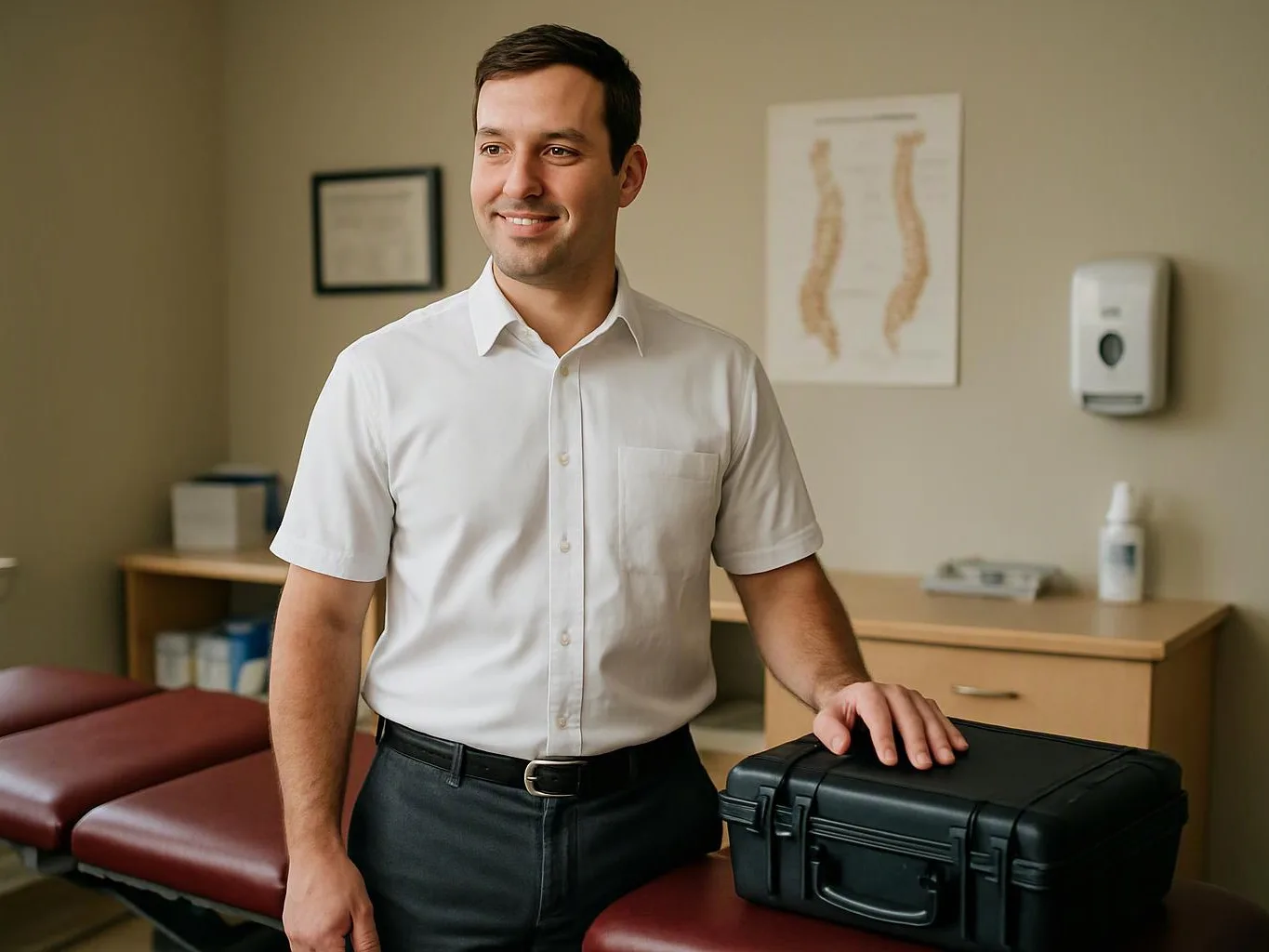
How to compare chiropractic care options
Chiropractic care options are best compared by your goals, examination findings, desired level of active participation, cost drivers, and maintenance needs; Arrowhead Clinic Chiropractor Savannah reviews those factors with you before recommending an appropriate combination of care.
Request an EstimateWhat Should You Compare Before Choosing Chiropractic Care?
Chiropractic care options should be compared by the problem being addressed, the intended role of treatment, expected participation, cost drivers, and how progress will be reviewed.
We begin with your symptoms, treatment goals, and clinical assessment. We also consider whether back pain treatment should focus on hands-on care, active participation, or a combination of both.
Active care asks you to take part through movement, exercise, or changes in daily activity. Passive care uses hands-on or externally applied techniques, such as an adjustment or massage, while we guide the overall care plan.
How Do Chiropractic Care Options Compare at a Glance?
Chiropractic adjustment and therapeutic exercise illustrate the main comparison: adjustment is hands-on care, while exercise builds active movement capacity, and each option has different cost, timeline, maintenance, and suitability considerations.
The right option depends on the symptom pattern, examination findings, and desired level of participation. The table uses relative terms because the cost and care timeline vary by the services included in your plan.
| Factor | Chiropractic adjustment | Therapeutic exercise | Other options |
|---|---|---|---|
| Cost drivers | Assessment, service type, and care plan | Exercise instruction, assessment, and plan complexity | Technique, services included, and whether care is combined |
| Timeline | Depends on findings and response to care | Builds with regular participation and progress review | Depends on the treatment goal and symptom response |
| Maintenance | May be reviewed as symptoms and movement change | Often includes continued movement practice | Reviewed according to goals and progress |
| Best for | People seeking hands-on joint care | People building movement control, flexibility, or strength | People whose findings match a specific technique |
What Are the Advantages and Best Uses of Each Option?
Each chiropractic care option has a different role, so the best fit depends on the examination findings, symptoms, movement goals, and tolerance for hands-on or active care.
Chiropractic adjustment
Spinal decompression therapy
Therapeutic exercise
Massage therapy
Dry needling
Cupping therapy
We connect every option to a specific purpose in the care plan. Our team also reviews whether active exercise should support hands-on services.
How Does Chiropractic Adjustment Compare With Exercise and Massage?
Chiropractic adjustment focuses on hands-on joint care, therapeutic exercise develops movement and strength, and massage therapy addresses soft-tissue tension.
An adjustment may be considered when joint mobility or spinal movement is part of the clinical objective. Exercise adds active participation by working on movement control, strength, and flexibility.
Massage therapy focuses more directly on muscle tension and soft tissue. We may discuss these approaches together when each one supports a different treatment goal.
Our Chiropractic Adjustment service is discussed within the context of your assessment and overall care plan.
When Might Decompression, Dry Needling, or Cupping Be Discussed?
Spinal decompression therapy, dry needling, and cupping therapy may be discussed when their distinct treatment focus matches the person’s symptoms, examination findings, and broader care goals.

Spinal decompression therapy may be compared with chiropractic adjustment when the desired focus involves different forms of care for back pain. We review the findings before placing either option in the care plan.
Dry needling and cupping therapy are more focused on soft tissue. We compare them with massage therapy or therapeutic exercise according to whether the goal is soft-tissue care, active movement, or both.
How Do Active and Passive Care Approaches Differ for Back Pain?
Active care requires your participation through movement or exercise, while passive care uses hands-on or externally applied techniques, and a plan may use both according to the clinical objective.
Therapeutic exercise is active care because you practice movement, strength, or flexibility. Chiropractic adjustment and massage therapy are passive care approaches because our team applies the treatment while you receive it.
Active care can support movement control and maintenance needs. Passive care may address a specific short-term treatment focus, but we decide how it fits with active participation after reviewing your symptoms and findings.
What Changes the Cost of Chiropractic Care Options?
The cost of chiropractic care depends on the services included, the examination findings, the complexity of the care plan, and whether multiple approaches are combined; we explain the proposed services and provide .
Treatment type is one cost driver. The number of services, the assessment, and the level of care planning can also change the total cost.
We explain what the proposed care includes before you decide. To obtain an exact quote, contact our team so we can review your needs and the services under consideration.
How Can You Decide Whether to Combine Chiropractic Services?
You can decide whether to combine chiropractic services by matching each service to a specific goal, confirming how the services fit together, and reviewing progress with our team.
We use care sequencing to keep each service connected to a clear purpose. Our team also reviews maintenance needs instead of continuing an approach without checking progress.
How Arrowhead Clinic Chiropractor Savannah Helps You Compare Chiropractic Care Options
Arrowhead Clinic Chiropractor Savannah compares your symptoms, examination findings, goals, and preferred level of participation before we explain suitable chiropractic care options.
We discuss whether your back pain treatment should emphasize hands-on care, active exercise, soft-tissue work, or a combination. We also explain the services included, the cost drivers, and how progress review may guide the care plan.
Our team can help you compare treatment goals, care sequencing, and maintenance needs in a clear conversation. Use our contact page to request information about your options.
Questions About Choosing Chiropractic Care Options
Which chiropractic care option is best for back pain?
Arrowhead Clinic Chiropractor Savannah determines the best option for back pain by reviewing your symptoms, clinical findings, treatment goals, and preferred level of participation. Chiropractic adjustment, therapeutic exercise, spinal decompression therapy, massage therapy, dry needling, and cupping therapy each have different roles.
Can therapeutic exercise support chiropractic adjustment?
Yes, therapeutic exercise can support chiropractic adjustment when active movement, strength, flexibility, or movement control is part of the care goal. We connect exercise to the examination findings and review progress as the care plan develops.
Is massage therapy active or passive care?
Massage therapy is passive care because the treatment is applied to soft tissue while you receive it. Therapeutic exercise is active care because you participate through movement and exercise.
What should you ask before combining chiropractic services?
Ask what goal each service addresses, how the services fit together, how care sequencing will work, what the care plan includes, and when progress will be reviewed. These questions help you understand why chiropractic adjustment, exercise, massage therapy, or another option is being considered.
Arrowhead Clinic Chiropractor Savannah reviews your options with you and helps connect each service to a clear treatment goal.