
Skip to content

Cupping Therapy in Savannah, Georgia

Cupping therapy supports non-invasive care for muscle tightness and movement concerns. We offer Free Consultations to discuss your goals before treatment.

Licensed & InsuredUpfront, Transparent PricingServing 13 CommunitiesMon-Fri: 9 am–7 pm, Sat-Sun: Closed
We provide Cupping Therapy in Savannah for people with muscle tightness, back pain, neck pain, or limited range of motion. We discuss your health concerns, assess whether cupping fits your care plan, and explain the next step before treatment begins.

What cupping can change for tight muscles

Cupping can support easier soft-tissue movement when muscle tightness limits motion.

The treatment gives us another non-invasive option within a broader chiropractic care plan.

A focused assessment helps connect muscle concerns with posture, spinal motion, and daily activity.
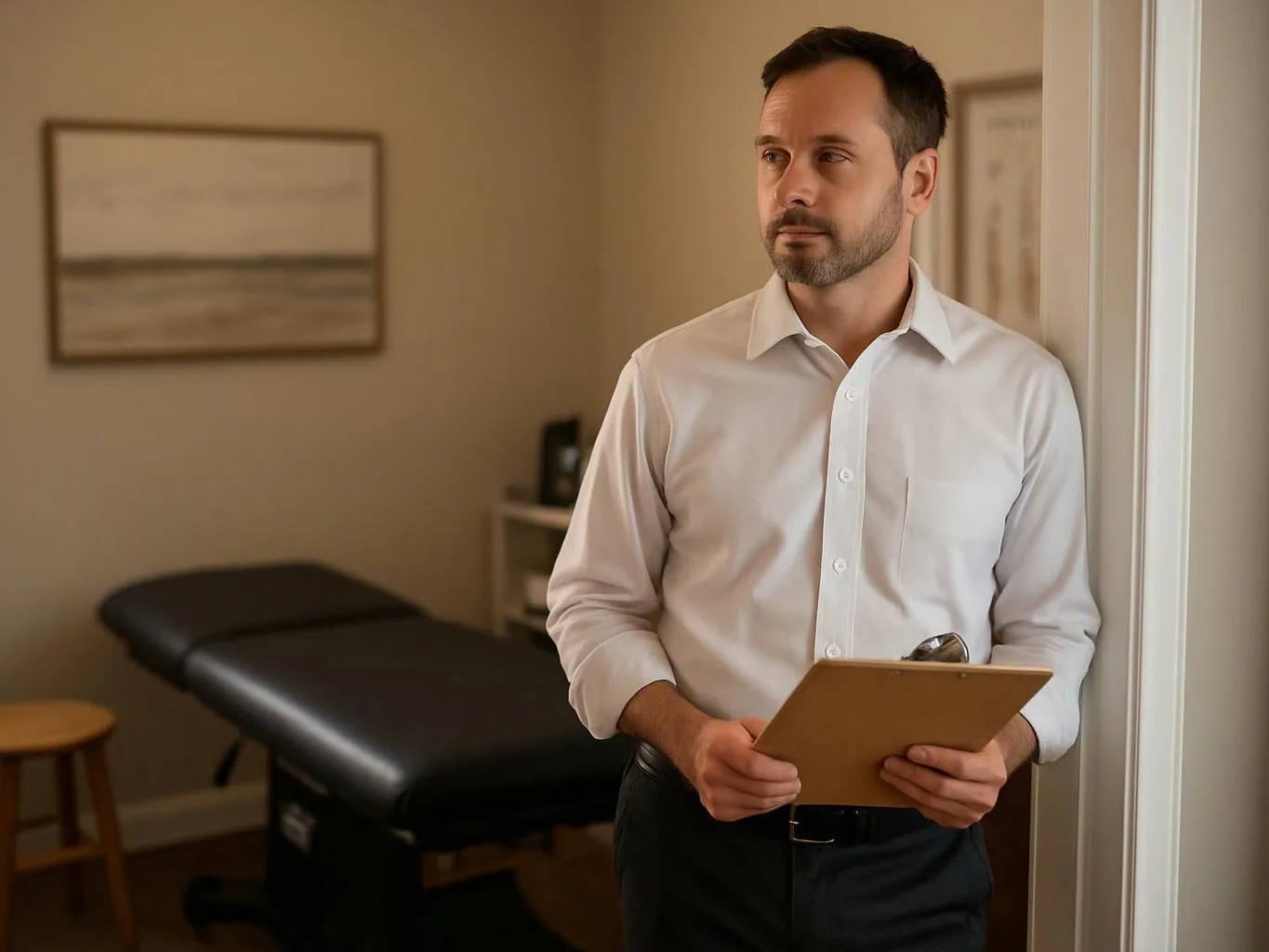
A man in a white shirt holds a clipboard in a quiet treatment room
About

How cupping therapy fits muscle and movement care

Cupping therapy uses cups placed on selected skin areas to create suction. The treatment focuses on soft tissue and may fit care for tight muscles, back pain, neck pain, or limited range of motion. Our team first discusses your symptoms and health concerns. We then perform a care assessment and explain whether cupping belongs in your personalized chiropractic care plan. Skin marks, tenderness, or short-term soreness can occur after treatment. Those effects do not explain every cause of pain, so we review persistent symptoms and consider chiropractic adjustments or therapeutic exercise when they fit the assessment. Our position is simple: cupping should support a clear care plan, not replace an assessment. Individual response differs, and follow-up matters when discomfort returns.

What Cupping Therapy Covers

Cupping therapy is a non-invasive treatment that places cups on the skin to create gentle suction over selected areas.

  • Cupping therapy differs from a chiropractic adjustment because suction affects soft tissue while an adjustment targets joint and spinal motion.
  • Cupping therapy at our practice requires a health discussion and care assessment before treatment begins.

What to prepare before cupping therapy

A short health history helps us assess whether cupping fits your care plan.

  • Bring a list of current symptoms and the areas that feel tight or sore.
  • Share relevant health concerns, past injuries, and changes in movement.
  • Wear clothing that allows access to the treatment area.
  • Tell us about skin sensitivity or concerns before treatment begins.
Process

What happens during a cupping visit

1

Discuss symptoms and goals

We review your health concerns, movement limits, and self-care goals before selecting a treatment approach.

2

Assess the treatment area

We examine the relevant soft tissue and consider spinal or joint findings that may affect the plan.

3

Explain the treatment plan

We describe cup placement, suction, possible skin marks, and related care before treatment begins.

4

Provide the cupping treatment

We place cups over selected areas and monitor your comfort during the session.

5

Review next steps

We discuss aftercare and whether therapeutic exercise, adjustments, or follow-up assessment belongs in your plan. Free Consultations are available for questions about starting care.

The Arrowhead Clinic Chiropractor Savannah Standard

Health Discussions

We discuss symptoms, skin concerns, and health history before recommending cupping for soft-tissue tightness.

Care Assessments

We assess movement and treatment areas so cup placement supports the patient's broader chiropractic care plan.

Clear Recommendations

We explain suction, possible skin marks, aftercare, and related recommendations before treatment begins.

Questions about cupping for tight muscles

Who provides cupping therapy in Savannah?

Arrowhead Clinic Chiropractor Savannah provides cupping therapy after discussing your symptoms and assessing whether the treatment fits your care plan. Our team explains cup placement, possible marks, and related options before treatment. We provide care for individuals and families throughout Savannah and nearby Chatham County communities.

How does cupping therapy work?

Cupping therapy creates gentle suction on selected skin areas to support soft-tissue care. Cups stay over areas chosen during the assessment, and we monitor your comfort throughout treatment. Suction does not replace an evaluation for spinal, joint, or movement concerns that may contribute to recurring symptoms.

Can cupping help with tight muscles?

Tight muscles may respond to cupping when soft-tissue tension limits comfortable movement. We assess the area and related symptoms before recommending it. Results vary, so we may discuss therapeutic exercise or chiropractic care when the assessment shows that muscle tension is part of a wider movement concern.

What marks can happen after cupping?

Circular skin marks can occur after cupping because suction changes the appearance of the treated area for a time. Mild tenderness may also follow treatment. We explain this response before the visit and ask you to report unusual or persistent concerns so we can review your care plan.

When should I avoid cupping therapy?

Cupping may not suit every person or treatment area, especially when skin sensitivity or another health concern affects safety. Share your health history and current symptoms before treatment. We assess the area, discuss risks, and recommend another care option when cupping does not fit your needs.

What changes the cost of cupping therapy?

The care plan, assessment needs, treatment areas, and related services influence the cost of cupping therapy. We discuss your needs during a Free Consultation and explain recommendations before treatment begins. We do not provide a price in advance without understanding the care requested.
Contact

Ask about cupping therapy in Savannah

Are tight muscles or recurring discomfort affecting your movement? Arrowhead Clinic Chiropractor Savannah can discuss your concerns, offer a Free Consultation, and explain whether cupping fits your care plan.

Scenarios

When Customers Call Us About Cupping Therapy

1

Tight Muscles After Daily Activity

Muscle tightness can build during work, exercise, or repeated daily movement. Cupping may support soft-tissue care, but the affected area and related spinal or joint symptoms still matter. During a consultation, we discuss what you feel, assess movement, and explain whether suction belongs in your treatment plan.

2

Marks After A First Session

Round skin marks can appear after cups create suction, and their color can differ between people. Mild tenderness may also occur. Tell us what you notice so we can review the response, explain aftercare, and decide whether the same approach remains suitable for your next visit.

3

Recurring Pain Despite Soft-Tissue Care

Repeated discomfort can mean that muscle tension is only part of the concern. Cupping may support soft-tissue work, while posture, spinal motion, and exercise needs receive separate attention. Schedule a health discussion so we can assess the symptoms and build a care plan around the full problem.


Our Other Services

Massage TherapyTight shoulders, sore muscles, and restricted movement often make ordinary tasks uncomfortable. Massage therapy works through muscle tension and soft tissue adhesions, helping reduce soreness while supporting more comfortable range of motion.
Chiropractic AdjustmentPersistent back or neck stiffness can limit work, sleep, and daily movement. Chiropractic adjustments use joint assessment and controlled manual pressure to improve spinal motion, with a clear care plan matched to your symptoms.
Spinal Decompression TherapyLeg pain, disc pressure, or persistent low back discomfort can make sitting difficult. Spinal decompression uses controlled table positioning and gentle traction to reduce spinal loading and support easier movement.
Therapeutic ExerciseWeak core muscles can leave your back vulnerable during lifting, walking, or sports. Therapeutic exercise uses stretching, strengthening, and movement coaching to improve stability and help you return to daily activities.
Dry NeedlingTrigger points can keep a tight muscle painful after activity or injury. Dry needling targets irritated muscle bands with fine needles, then supports improved tissue movement and less localized discomfort.
Auto Accident Chiropractic CareNeck pain, headaches, and back soreness may appear after a collision, even when damage isn't obvious. Auto accident care includes injury evaluation, range-of-motion checks, and treatment planning for safer recovery.

The health and wellness information on this website is for general informational purposes only and is not medical advice. It does not create a provider-patient relationship. Always consult a qualified licensed provider in Savannah, Georgia, United States about your specific condition before making care decisions. Individual results vary.

(912) 378-1371