Planning Chiropractic Care for Sports Injuries
Sports injury treatment usually begins with an assessment of symptoms, movement, and activity demands, followed by a care plan that may combine chiropractic care and therapeutic exercise; Arrowhead Clinic Chiropractor Savannah uses this process to help patients understand their options, participate in rehabilitation, and plan a safe return to activity.
Request an Estimate
What Does Sports Injury Treatment Involve?
Sports injury treatment involves assessing the injury, identifying movement limitations, and choosing care that supports recovery and a gradual return to activity.
Our team reviews how the injury began, how symptoms respond to movement, and which activities matter most to you. Chiropractic care may address joint mobility and movement, while therapeutic exercise can support strength, control, and confidence during recovery.
What Signs and Symptoms Can Sports Injuries Cause?
Sports injury symptoms can affect comfort, movement, and performance during exercise or daily activities. Common signs include the following:
Our injury assessment helps connect these symptoms with movement patterns and activity demands. Severe symptoms, visible deformity, or sudden loss of function may require prompt medical evaluation.
What Commonly Causes Sports Injuries?
Sports injury causes often involve stress that exceeds the body’s current ability to manage training or movement. We look at the full activity pattern instead of focusing only on the painful area.
Our team uses these details to guide load management and activity modification. The goal is to support recovery while keeping the care plan connected to your training demands.
How Do We Assess a Sports Injury?
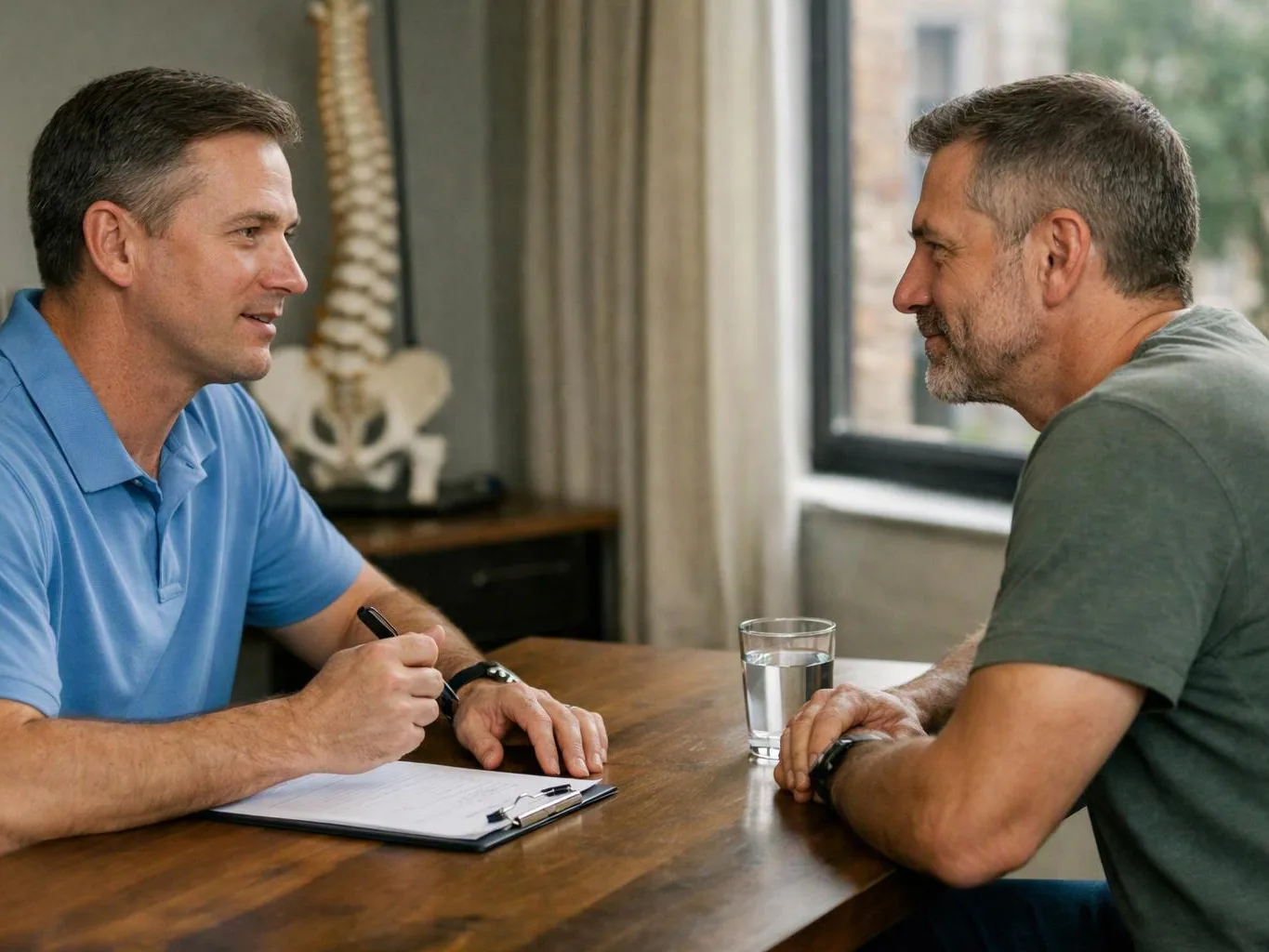
Chiropractic assessment reviews the injury history and examines movement, range of motion, symptoms, and the activities that reproduce discomfort.
We discuss when the pain began, what makes it better or worse, and whether the injury affects training or daily tasks. Our physical examination may include functional movement, joint mobility, strength, balance, and pain patterns.
Activity demands also shape the evaluation. A runner, field athlete, and strength trainee may need different movement goals and return-to-activity steps.
What Can a Chiropractic Care Plan Include?
A chiropractic care plan can include hands-on care, mobility work, activity guidance, and therapeutic exercise selected around the injury and the patient’s goals.
Depending on the assessment, our team may use spinal manipulation, joint mobility work, or soft tissue care to address restricted movement. We also discuss load management and activity modification so your plan fits your current symptoms.
Care may change as your movement and tolerance improve. We explain why each part of the plan is included and how it supports rehabilitation.
How Can Therapeutic Exercise Support Sports Injury Care?
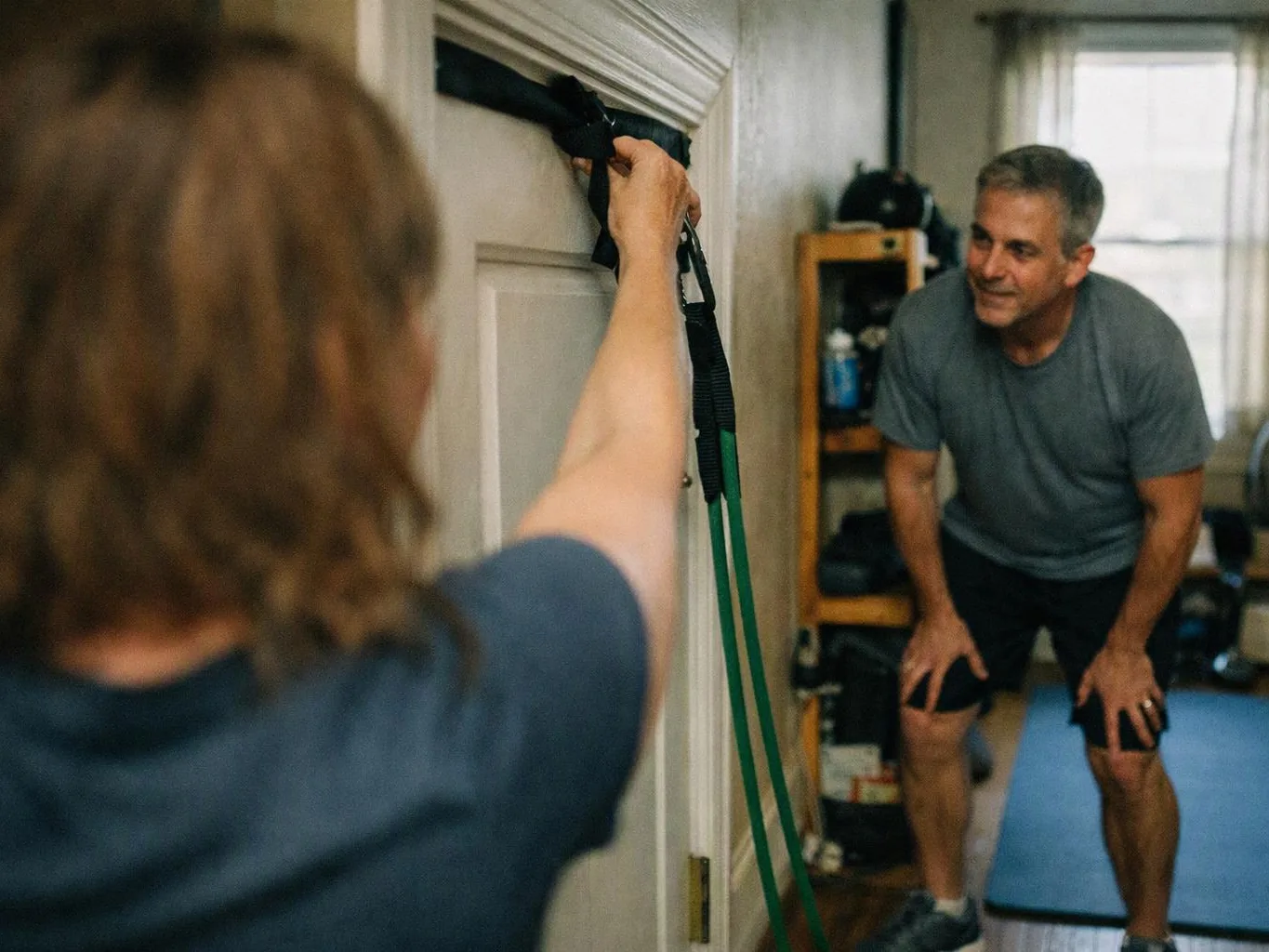
Therapeutic exercise can support sports injury care by building strength, mobility, balance, and coordination for a controlled return to activity.
We select exercises that match your current ability and progress them as your symptoms allow. The plan may begin with controlled movement and then add tasks that resemble your sport or training demands.
What Happens During Sports Injury Rehabilitation?
Sports injury rehabilitation follows a care plan that connects symptom monitoring, exercise progression, and return-to-sport decisions.
Progress is not based only on whether pain is present. Our team also considers movement control, strength, coordination, and how the body responds to increasing activity.
How Can You Help Prevent Another Sports Injury?
Sports injury prevention combines preparation, sound movement technique, appropriate training load, and recovery.
Our team can help connect prevention strategies with your injury history and activity goals. Consistent recovery planning can make training changes easier to manage.
What Should You Ask About Your Sports Injury Care Plan?
Sports injury treatment questions help you understand the purpose of care and the steps that support a safe return to activity.
We answer these questions using the findings from your assessment and your personal training demands. Clear answers can help you take part in the care plan with realistic expectations.
How Can You Begin Sports Injury Treatment?
Sports injury consultation begins with an evaluation at Arrowhead Clinic Chiropractor Savannah, where we explain whether Sports Injury Treatment or Therapeutic Exercise fits your needs.
We review your symptoms, movement, activity demands, and goals before discussing care options. You can arrange one of our Free Consultations through our contact page.
Bring details about when the injury began, which activities increase symptoms, and what you have already tried. This information helps our team build a focused chiropractic evaluation and rehabilitation plan.
Get a Free EstimateQuestions About Sports Injury Care
Can chiropractic care help with sports injury recovery?
Yes, Arrowhead Clinic Chiropractor Savannah may use chiropractic care to address movement limitations and support a broader sports injury recovery plan. We match hands-on care, activity guidance, and therapeutic exercise to the assessment findings and your goals.
When should an athlete seek care for a sports injury?
An athlete should seek care when pain, swelling, stiffness, weakness, or restricted movement affects activity or does not improve with appropriate rest. Prompt medical evaluation is important for severe symptoms, visible deformity, or sudden loss of function.
Can therapeutic exercise be part of a chiropractic sports injury plan?
Yes, therapeutic exercise can be part of a chiropractic sports injury plan when the exercises match the person’s symptoms, movement, and activity goals. Exercise may address strength, mobility, balance, coordination, and a gradual return to activity.
What should I avoid while recovering from a sports injury?
During sports injury recovery, avoid activities that increase symptoms, reduce movement control, or cause you to change your technique. Our team can guide activity modification and help you adjust training load while rehabilitation progresses.