Skip to content

Spinal Decompression Therapy in Savannah, Georgia

We use spinal decompression therapy as part of non-invasive chiropractic care for patients with back pain, sciatica, or limited movement. Your visit starts with an assessment and a discussion of your health concerns.

Licensed & InsuredUpfront, Transparent PricingServing 13 CommunitiesMon-Fri: 9 am–7 pm, Sat-Sun: Closed
Spinal decompression therapy supports patients in Savannah who have back pain, sciatica, or restricted range of motion. Arrowhead Clinic Chiropractor Savannah begins with a spinal evaluation, then explains whether this approach fits your care plan. We offer Free Consultations for patients who want to discuss their needs first.

What this treatment may change in daily movement

It may support easier movement when back stiffness limits daily activity.

It gives patients a non-invasive option to discuss before choosing a care plan.

It links spinal assessment with practical guidance for posture and function.

What Spinal Decompression Therapy Covers

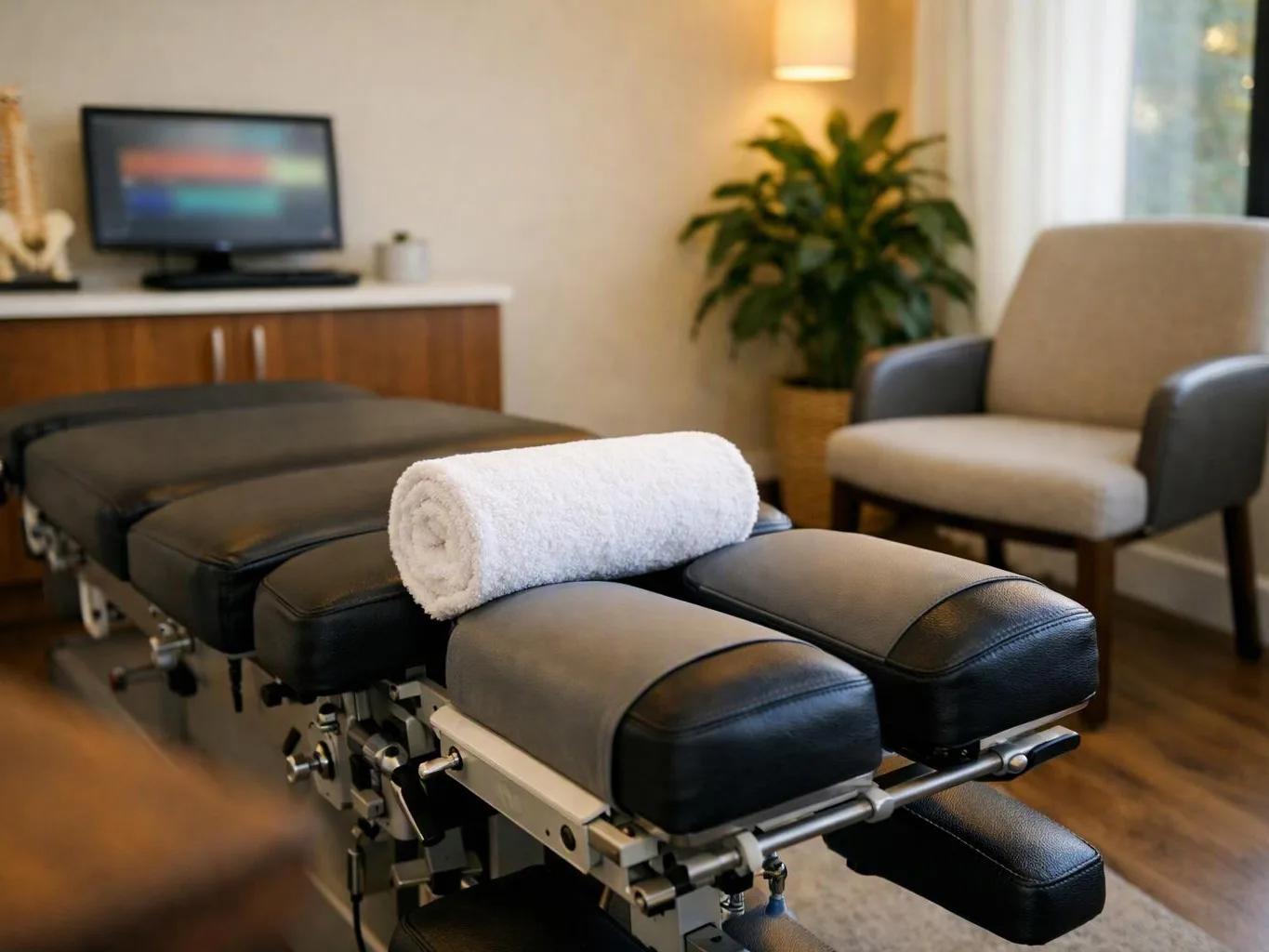
Spinal decompression therapy is a non-invasive chiropractic treatment that uses controlled table movement to reduce loading through targeted spinal areas.
  • Spinal decompression therapy differs from a chiropractic adjustment because it uses traction-based movement instead of a hands-on thrust.
  • The service has the same assessment-led scope locally, and our team determines whether it fits each patient's needs.
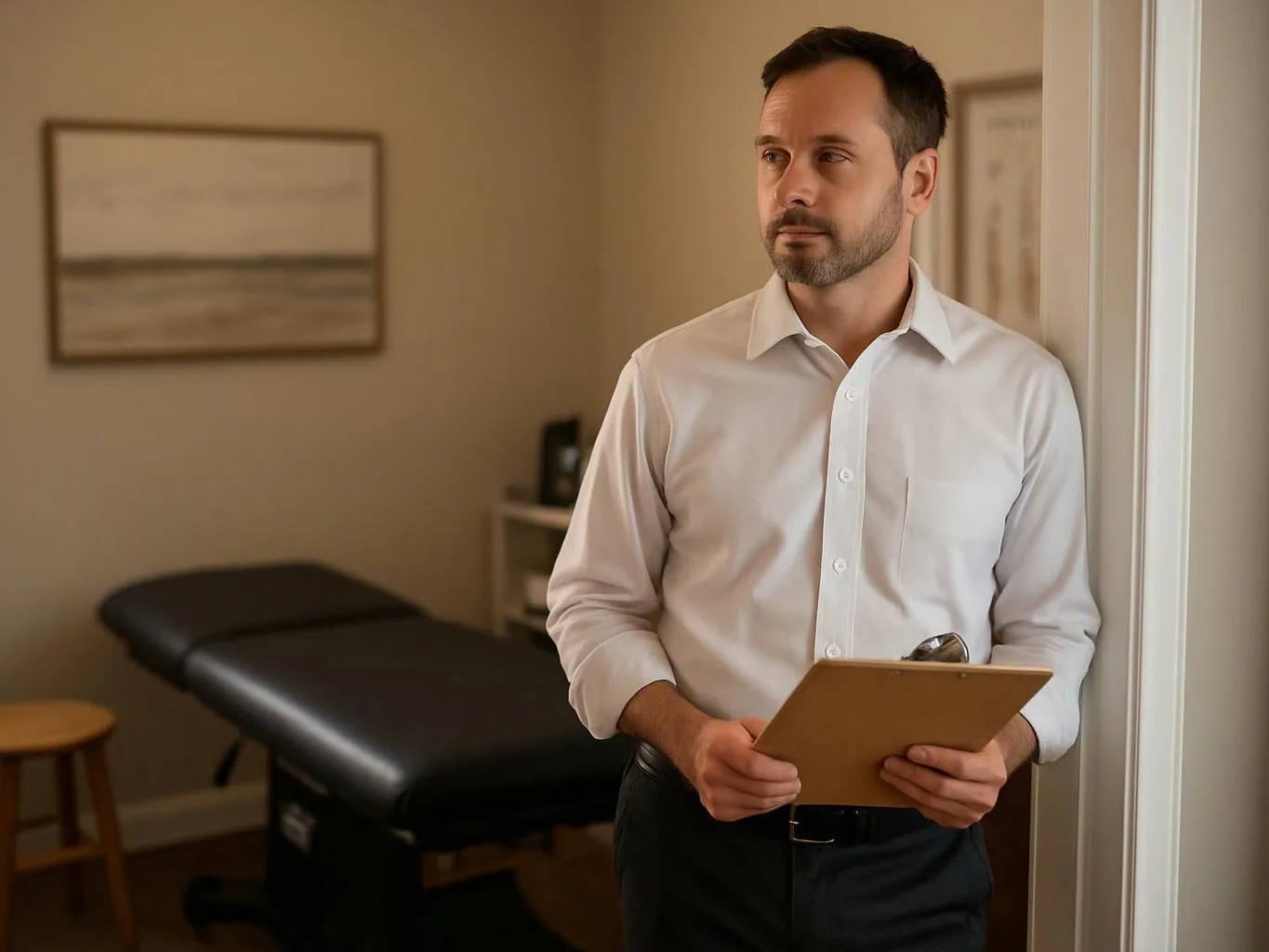
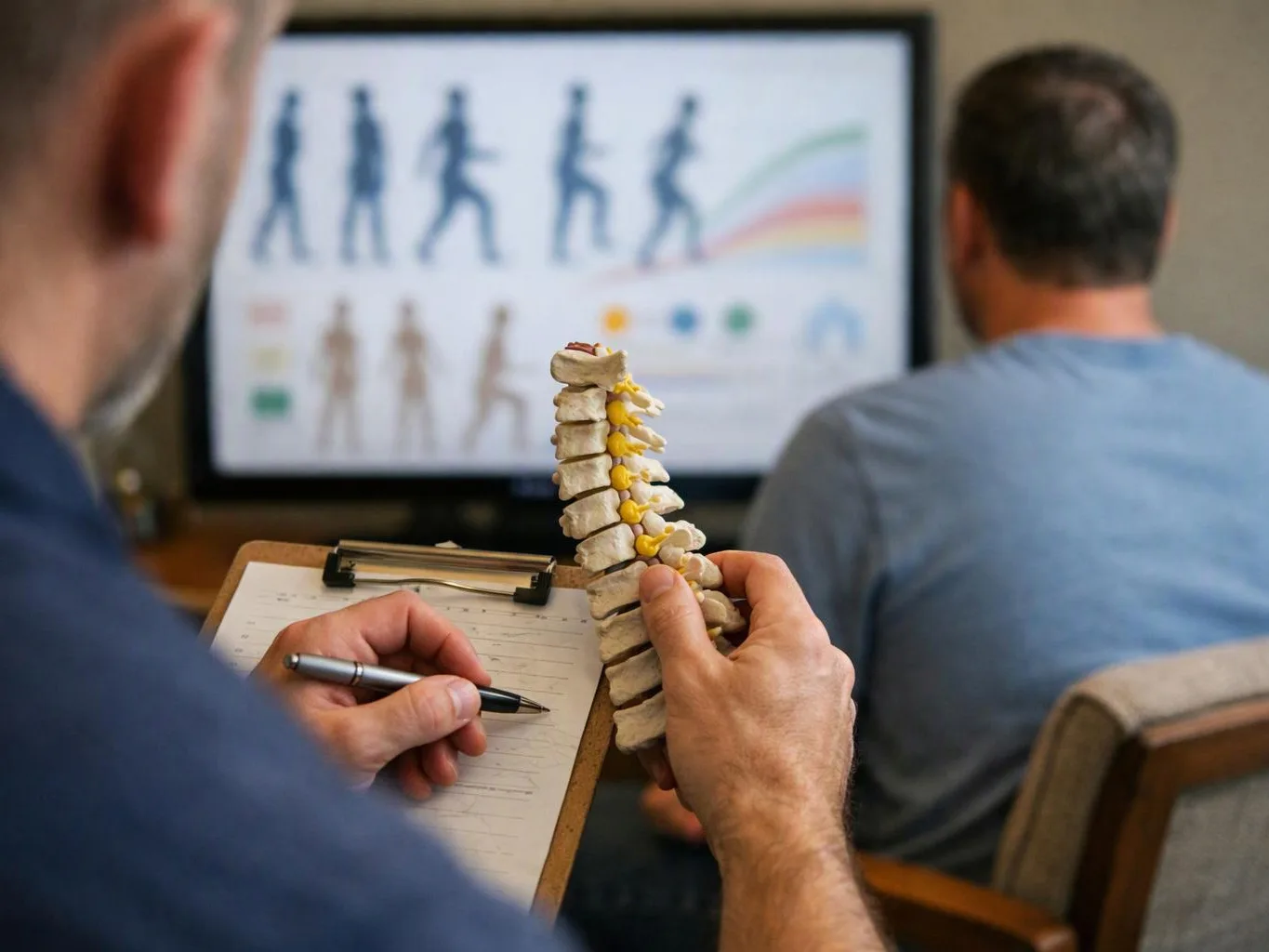
A man in a white shirt holds a clipboard in a quiet treatment room
About

How spinal decompression care fits your back pain plan

Spinal decompression therapy uses controlled traction through a spinal decompression table. The goal is to create a guided movement pattern that may ease pressure and support more comfortable motion. Our team starts with a health discussion and spinal assessment. We review your symptoms, past concerns, and current function before making a recommendation. Results vary, so we explain what this treatment can and cannot address. Buyer fit matters most with this service. A patient with radiating leg pain may need a different assessment focus than someone with posture-related stiffness. We discuss those differences before treatment begins, then combine care with corrective guidance or therapeutic exercise when appropriate.

Process

How we plan and provide spinal decompression care

1

Discuss symptoms and health history

We review your pain pattern, prior concerns, activity limits, and health history. This conversation helps us identify questions that need closer review.

2

Complete a spinal assessment

We assess spinal movement and related function before recommending care. X-rays are considered if clinically indicated.

3

Explain treatment fit

We explain how spinal decompression therapy may fit your findings and goals. We also discuss limits and other care options.

4

Begin the selected care plan

If the service fits, we provide guided decompression care and may pair it with corrective care or therapeutic exercise.

5

Review movement and next steps

We use follow-up discussion and progress checks to decide whether the care plan still matches your symptoms and function.

6

Request a Free Consultation

Free Consultations give you space to discuss your symptoms and ask about treatment fit before care begins.

What to prepare before spinal decompression care

A few details can help us make your first assessment more useful.

  • Write down where your pain starts and where it travels.
  • Bring a list of current health concerns and past spinal care.
  • Note which movements or daily tasks increase your symptoms.
  • Share any prior imaging or medical records that relate to your back.
  • List your main goal for movement, posture, or daily function.

The Arrowhead Clinic Chiropractor Savannah Standard

Health Discussions

We discuss pain patterns, sensation changes, and health concerns before recommending traction-based care.

Care Assessments

We assess spinal movement and related function to guide appropriate decompression recommendations.

Clear Recommendations

We explain treatment fit, care limits, and follow-up recommendations clearly before spinal decompression begins.

Questions about spinal decompression care

Who provides spinal decompression therapy in Savannah?

Arrowhead Clinic Chiropractor Savannah provides spinal decompression therapy in Savannah. Our team begins with a health discussion and spinal assessment before recommending care. We review symptoms, movement limits, and relevant health concerns, then explain whether traction-based treatment fits your needs. Individual response differs, so we discuss realistic care goals before treatment starts.

What decides the cost of spinal decompression therapy?

Treatment cost depends on the assessment, recommended care plan, and services included with spinal decompression therapy. The scope may change when symptoms need added evaluation or related corrective care. We discuss the recommended plan before treatment begins, and Free Consultations give patients a way to ask about their options.

Is spinal decompression therapy the same as a chiropractic adjustment?

Spinal decompression therapy uses guided traction, while a chiropractic adjustment uses a hands-on technique to affect joint movement. The two services have different methods and may address different care goals. Our team assesses your symptoms and explains which approach fits your findings before treatment.

What happens during the first visit?

The first visit includes a health discussion, spinal assessment, and review of treatment fit.

  1. We discuss symptoms and health history.
  2. We assess spinal movement and function.
  3. We explain recommendations and next steps.

X-rays are considered if clinically indicated, and treatment recommendations are explained before care begins.

Can this treatment help with sciatica or a herniated disc?

Spinal decompression therapy may help some patients with sciatica or disc-related symptoms, but suitability requires an assessment. We review the pain pattern, sensation changes, movement, and health history before recommending care. Individual results vary, and we explain when another evaluation or care approach is more appropriate.

What should I bring to a spinal decompression consultation?

Relevant health records, imaging, symptom details, and a list of current concerns can support the consultation. Bring notes about where pain travels and which movements affect it. Our team uses that information with the health history and spinal assessment to build a clear recommendation.

When should I seek medical attention instead of scheduling treatment?

Sudden severe weakness, loss of bladder or bowel control, or major new numbness needs prompt medical attention. These warning signs require urgent medical evaluation. Share less severe recurring symptoms during your consultation, so we can assess whether spinal decompression therapy fits your care needs.
Contact

Discuss spinal decompression therapy in Savannah

If back pain, sciatica, or limited movement affects your daily life, Arrowhead Clinic Chiropractor Savannah can discuss your symptoms and assess treatment fit. Schedule a visit during our Monday through Friday hours, 9 am to 7 pm, or ask about a Free Consultation.

Scenarios

When Customers Call Us About Spinal Decompression Therapy

1

Recurring Back Pain After Daily Activity

Back pain that returns after work, exercise, or long periods of sitting needs more than a symptom label. The pattern, movement limits, and health history help shape the assessment. We review those details before discussing traction-based care, and you can start with a Free Consultation to ask whether spinal decompression therapy fits your goals.

2

Leg Symptoms With Lower Back Pain

Pain that travels from the lower back toward the leg can raise questions about spinal irritation. The location, sensation, and changes in strength matter during the health discussion. Our team performs a spinal assessment, explains the findings in plain language, and recommends the next care step based on suitability.

3

First Visit With Treatment Questions

A first visit can feel uncertain when you do not know whether decompression care suits your symptoms. We begin with a health history, examination, and discussion of your goals before treatment starts. Bring any related records and note your main concerns, so the consultation can focus on fit, limits, and follow-up.
Our Other Services

Massage TherapyTight shoulders, sore muscles, and restricted movement often make ordinary tasks uncomfortable. Massage therapy works through muscle tension and soft tissue adhesions, helping reduce soreness while supporting more comfortable range of motion.
Chiropractic AdjustmentPersistent back or neck stiffness can limit work, sleep, and daily movement. Chiropractic adjustments use joint assessment and controlled manual pressure to improve spinal motion, with a clear care plan matched to your symptoms.
Therapeutic ExerciseWeak core muscles can leave your back vulnerable during lifting, walking, or sports. Therapeutic exercise uses stretching, strengthening, and movement coaching to improve stability and help you return to daily activities.
Dry NeedlingTrigger points can keep a tight muscle painful after activity or injury. Dry needling targets irritated muscle bands with fine needles, then supports improved tissue movement and less localized discomfort.
Cupping TherapyStiff muscles and restricted soft tissue can make recovery feel slow. Cupping therapy uses suction cups over selected areas, encouraging circulation and tissue mobility around painful shoulders, backs, or legs.
Auto Accident Chiropractic CareNeck pain, headaches, and back soreness may appear after a collision, even when damage isn't obvious. Auto accident care includes injury evaluation, range-of-motion checks, and treatment planning for safer recovery.

The health and wellness information on this website is for general informational purposes only and is not medical advice. It does not create a provider-patient relationship. Always consult a qualified licensed provider in Savannah, Georgia, United States about your specific condition before making care decisions. Individual results vary.

(912) 378-1371