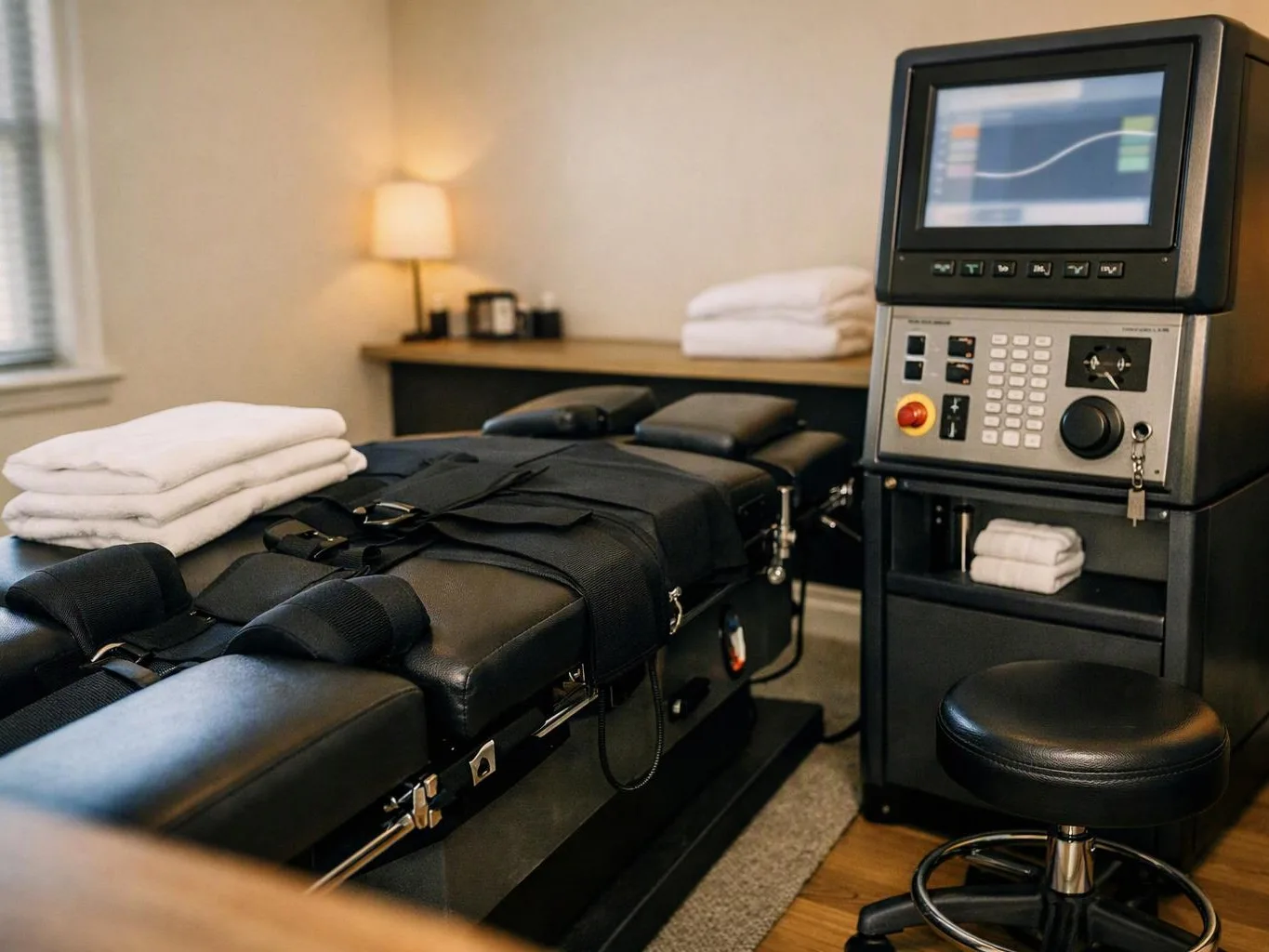
What to Expect From Auto Accident Chiropractic Care
Auto accident chiropractic care at Arrowhead Clinic Chiropractor Savannah begins with a discussion of the crash, symptoms, and health history, followed by an examination and care plan tailored to the findings. Free Consultations are available, and whiplash treatment may address pain, stiffness, reduced mobility, and related soft-tissue concerns.
Request an EstimateWhat Happens During an Auto Accident Chiropractic Visit?
Auto accident chiropractic care begins with a discussion of the collision, symptoms, health history, and goals before the examination and treatment plan.
We ask about the accident history, including the direction of impact and changes you noticed after the crash. We also discuss pain, stiffness, reduced mobility, and other concerns that may point to a car accident injury.
Our team reviews your health history and prior injuries before completing a physical examination. These details help us shape a care plan that matches the findings and your treatment goals.
How Does the Chiropractic Evaluation Work?
A chiropractic evaluation reviews movement, tenderness, posture, and other musculoskeletal findings to determine whether chiropractic care is appropriate.
We may assess range of motion in the neck, shoulders, and back to identify restricted or painful movement. We also check posture, tenderness, muscle tension, and joint mobility during the clinical examination.
Our team uses the injury assessment to decide whether chiropractic care fits the findings. When symptoms call for medical evaluation, we explain the need for a medical referral and help coordinate care as appropriate.
What Signs and Symptoms Can Follow a Car Accident?
Car accident injuries can cause pain, stiffness, nerve-related symptoms, and reduced movement in the days after a crash.
Symptoms can change as the body responds to a musculoskeletal injury. We document symptom progression so the care plan can respond to meaningful changes.
Why Can Whiplash Symptoms Develop After a Crash?
Whiplash symptoms can develop when a collision rapidly moves the head and neck, placing strain on muscles, ligaments, and joints.
A rear-end collision can create sudden acceleration and deceleration that moves the neck beyond its usual pattern. This motion may affect the neck muscles, ligaments, and joints, creating a soft-tissue injury with pain, stiffness, or reduced mobility.
Our team looks at the symptoms and examination findings together when discussing whiplash care. We use that information to explain which treatment options may support safer movement and comfort.
What Are Common Causes of Auto Accident Injuries?
Auto accident injuries can result from the direction and force of a vehicle impact.
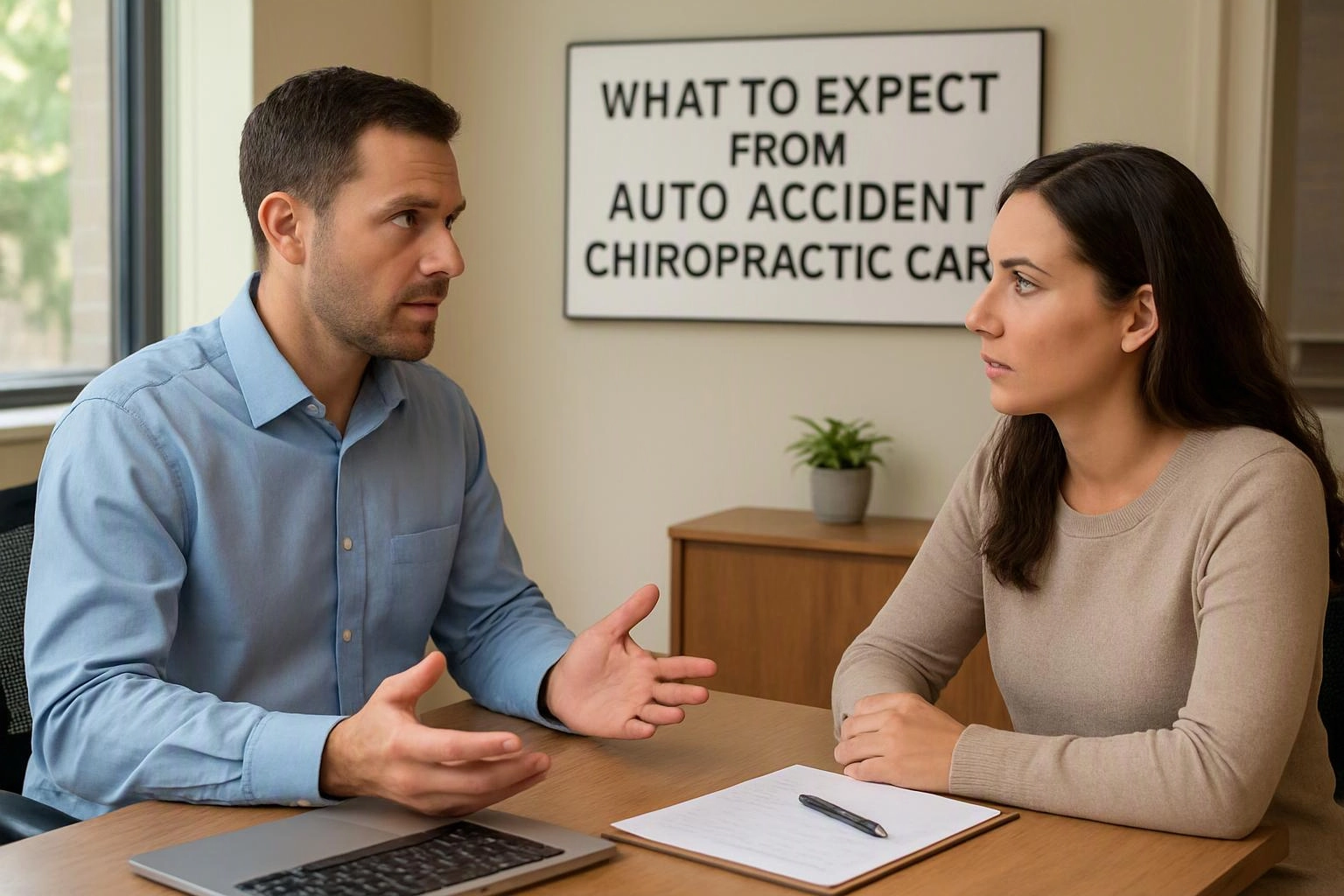
We ask about the type of impact because collision details provide context for the injury assessment. Our examination then focuses on how your body responded to that force.
What Does Whiplash Treatment Involve?
Whiplash treatment may combine chiropractic techniques, soft-tissue care, movement guidance, and a care plan based on the examination findings.
Our team may use spinal manipulation when the examination supports it. We may also use soft-tissue care to address muscle tension and therapeutic exercise to support mobility.
We adjust the individualized care plan as symptoms and movement change. Home care guidance may include safe movement and other steps that support the goals discussed during the visit.
How Can You Prepare to Discuss Accident-Related Symptoms?
A symptom timeline helps our team connect accident details with changes in pain, movement, and other symptoms.
These details give our team a clearer starting point for the physical examination. They also help us discuss symptom progression and treatment goals in a focused way.
What Questions Should You Ask About Whiplash Treatment?
Questions about diagnostic findings and care choices help you understand how whiplash treatment fits your examination.
We answer these questions using the examination findings and your reported symptoms. Clear answers help you take part in decisions about your care plan.
How Can You Reduce the Risk of Further Strain After an Accident?
Activity modification and safe movement can help limit added strain while accident-related symptoms are being assessed.
We use your symptom response to guide movement advice and the next step in care. Seek medical attention promptly for serious or rapidly changing symptoms.
How Do You Start Auto Accident Chiropractic Care?
Arrowhead Clinic Chiropractor Savannah starts auto accident chiropractic care with Free Consultations, a symptom discussion, and an examination to guide the next step.
During the initial consultation, we review accident-related symptoms, collision history, health history, and your goals. Our team then explains whether chiropractic care fits the examination findings and what the care plan may involve.
Contact us to discuss your symptoms and arrange an initial consultation. Auto Accident Chiropractic Care can include evaluation, whiplash care, mobility support, and home care guidance when those services fit the findings.
Arrowhead Clinic Chiropractor Savannah is ready to discuss your next step after a crash.
Questions About Auto Accident Chiropractic Care
Can chiropractic care help with whiplash after a car accident?
Yes, chiropractic care may help address whiplash-related pain, stiffness, reduced mobility, and soft-tissue concerns when the examination supports care. Arrowhead Clinic Chiropractor Savannah reviews the collision history and clinical findings before explaining suitable whiplash treatment options.
Should I discuss previous injuries during an auto accident chiropractic visit?
Yes, previous injuries should be discussed because they give our team important health-history context. We use that information with the current symptoms and examination findings when shaping the care plan.
What should I bring to an auto accident chiropractic consultation?
Bring available medical records, a medication list, accident details, and notes about your symptom timeline. A record of pain location, triggers, and changes can help our team complete a focused injury assessment.
When should accident-related symptoms be discussed with a medical clinician?
Accident-related symptoms should be discussed with a medical clinician when they are severe, rapidly changing, or linked with concerning signs. Our team can explain when a medical referral may be appropriate based on the history and examination.