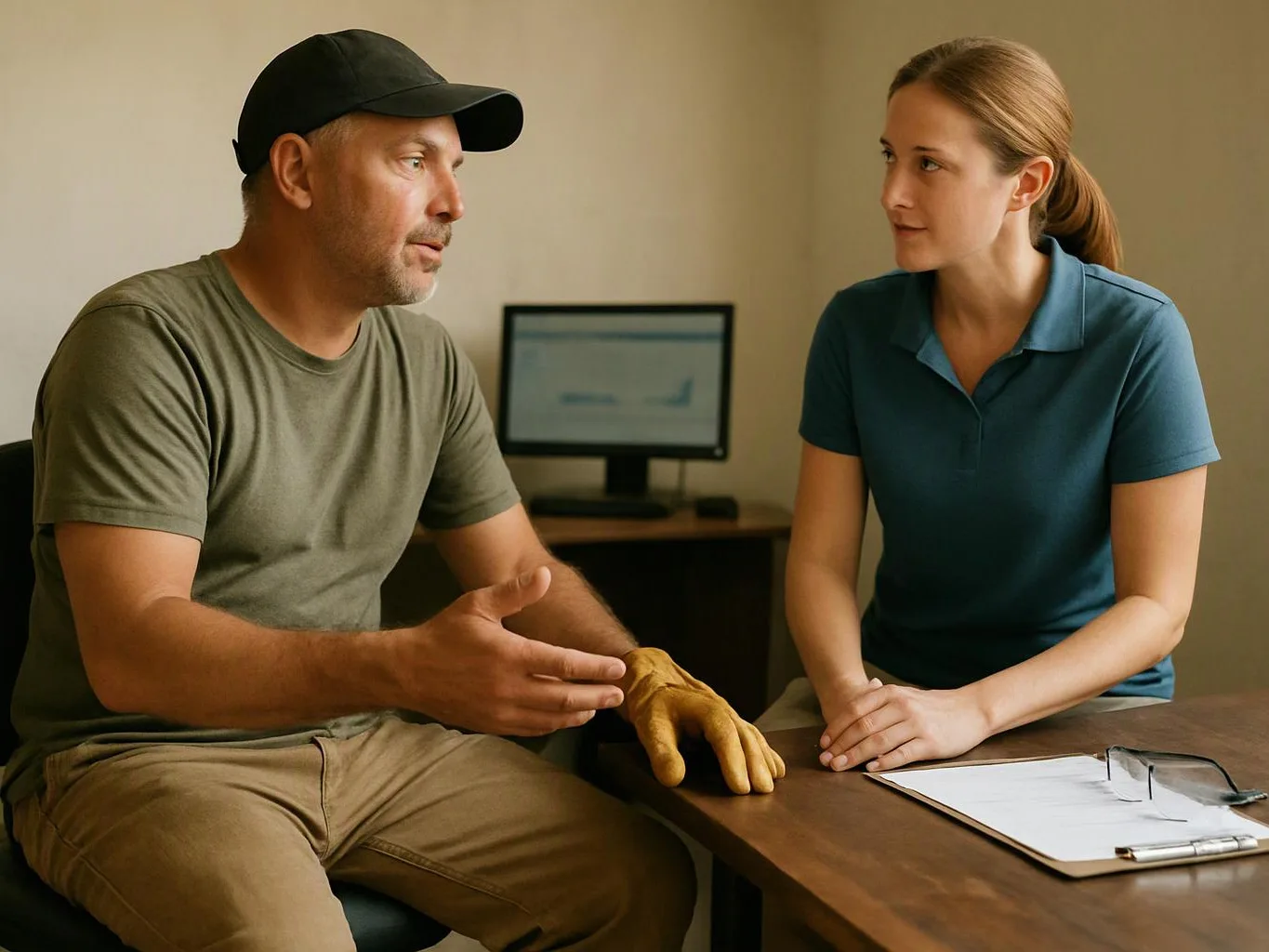
Preparing for Spinal Decompression Therapy
Spinal decompression therapy usually begins with a health review and care-plan discussion, followed by positioning on the decompression table, monitored treatment, and guidance for aftercare; Arrowhead Clinic Chiropractor Savannah explains each step and checks how you respond.
Request an EstimateWhat Happens Before Spinal Decompression Therapy?
Spinal decompression therapy begins with a review of your symptoms, health history, and suitability for care. Our team uses this information to shape a care plan that matches your needs and treatment goals.
Spinal decompression therapy is selected only after our assessment shows that the approach may fit your condition. We also discuss when another form of chiropractic care or medical evaluation may be more appropriate.
What Should You Discuss During Your Consultation?
A spinal decompression therapy consultation should clarify your treatment goals, relevant health details, expected sensations, and questions about the proposed care plan. During a chiropractic consultation, we review available diagnostic findings and look for contraindications that may affect treatment.
Tell our team what you hope to improve and what activities are difficult because of your symptoms. We explain how treatment settings may be selected and how you can communicate discomfort during care. Free Consultations are available for discussing whether an evaluation is appropriate.
Questions to Ask About Your Care Plan
Patient questions help you understand how the care plan connects to your treatment goals. Ask our team to explain each step in plain language before you agree to proceed.
How Should You Prepare for the Session?
Appointment preparation is simple: wear comfortable clothing, gather relevant records, and make notes about your symptoms. These details help our team understand how your condition affects daily movement.
Bring medical records and medication information that may relate to your care. Write down when symptoms began, what changes them, and any questions you want to discuss. Clear communication with the chiropractic team helps us adjust patient positioning and treatment settings when needed.
What Happens During Spinal Decompression Therapy?
During spinal decompression therapy, we position you on the treatment table, apply controlled movement to the selected spinal region, and monitor your response.
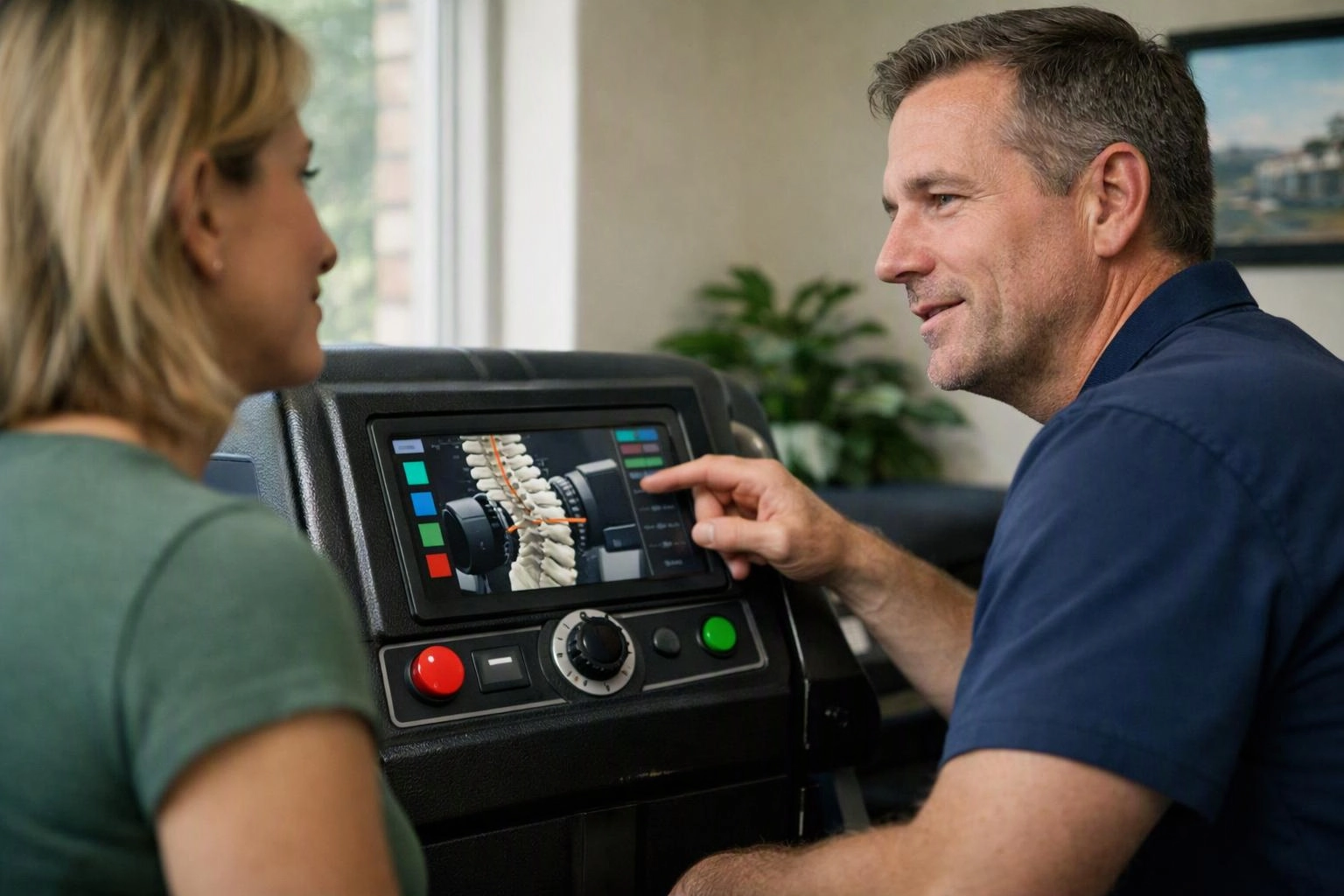
Comfortable positioning supports clear communication during treatment. Our chiropractic monitoring continues as we check how your body responds to the decompression treatment.
What Should You Do After a Spinal Decompression Session?
After spinal decompression therapy, follow the instructions provided by our team, observe how your body responds, and report notable changes. Aftercare helps us make informed decisions during follow-up care.
Aftercare is not the same for every person. We use your feedback and progress review to guide the next step in chiropractic care.
When Should You Contact the Chiropractic Team?
Contact the chiropractic team when spinal decompression therapy is followed by severe or unusual symptoms, new weakness, or worsening neurological changes. Prompt communication helps our team decide whether you need a care-plan review or further medical attention.
Do not ignore symptoms that feel severe or unusual. Our team can help explain the next step based on what you report.
How Can Spinal Decompression Therapy Fit Into a Care Plan?
Spinal decompression therapy can fit into a chiropractic care plan when our assessment shows that the approach aligns with your symptoms, goals, and overall care needs. A clinical assessment helps us decide whether decompression treatment belongs in your treatment plan.
Our team reviews progress and considers how your symptoms respond over time. Follow-up care may include adjustments to treatment settings, patient education, or other conservative spine care that supports your treatment goals.
Common Questions About Preparing for Spinal Decompression Therapy
What should I wear to spinal decompression therapy?
Comfortable clothing is appropriate for spinal decompression therapy because it supports positioning on the treatment table. Arrowhead Clinic Chiropractor Savannah may provide additional guidance based on the targeted spinal region and planned care.
What should I bring to a spinal decompression consultation?
Bring relevant medical records, medication information, and notes about your symptoms to a spinal decompression consultation. Patient questions about treatment goals and expected sensations can also help guide the discussion.
Can I tell the chiropractic team if the treatment feels uncomfortable?
Yes, you can tell the chiropractic team whenever spinal decompression therapy feels uncomfortable or unusual. Patient communication allows our team to review positioning and treatment settings during care.
What information should I share before spinal decompression therapy?
Share your symptoms, health history, medical conditions, medications, previous procedures, and treatment goals before spinal decompression therapy. This information helps our team complete an informed chiropractic evaluation.
How do I know whether my symptoms need prompt attention after treatment?
Symptoms need prompt attention after treatment when they include severe discomfort, new numbness, new weakness, or worsening neurological changes. Contact the chiropractic team so we can review the symptoms and guide the next step.
Preparing for spinal decompression therapy starts with honest health information, clear treatment goals, and a plan for communication during aftercare. Arrowhead Clinic Chiropractor Savannah can review your questions and discuss whether an evaluation fits your needs.
Get a Free Estimate