Understanding Nerve Compression
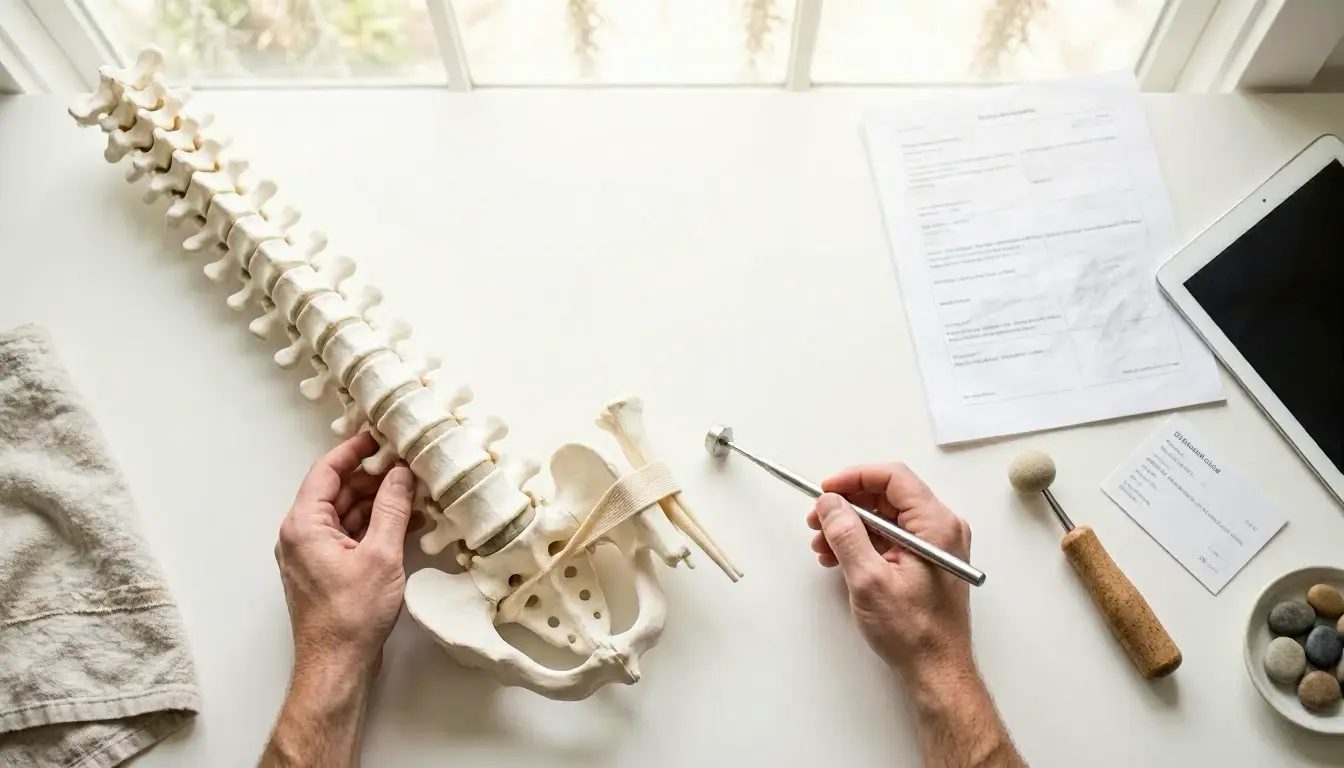
Nerve compression occurs when a nerve is squeezed or pressed by surrounding structures in the body. These structures can include bones, muscles, tendons. Or even swollen tissues. The pressure disrupts the nerve’s ability to send signals properly, which can lead to a range of symptoms. For example, if a nerve in the lower back is compressed, it might cause pain or numbness that travels down the leg, a condition often called sciatica.
Nerves are like electrical wires that carry messages between the brain and the rest of the body. When a nerve is compressed, these messages can become delayed, weakened. Or blocked entirely. This can result in sensations like tingling, burning. Or a pins-and-needles feeling. In severe cases, nerve compression can cause muscle weakness or even loss of function in the affected area. Understanding the cause of nerve compression is important because it helps determine the best way to relieve the pressure and restore normal nerve function.
How Nerve Compression Works?
The human body contains a complex network of nerves that run from the brain and spinal cord to every part of the body. These nerves pass through narrow spaces between bones, muscles. And other tissues. When these spaces become too tight—due to swelling, injury. Or misalignment—the nerve can become compressed. For instance, carpal tunnel syndrome occurs when the median nerve in the wrist is squeezed by swollen tissues in the carpal tunnel, leading to hand and finger pain.
Nerve compression can happen anywhere in the body. But it's most common in areas where nerves travel through tight or vulnerable spaces. The spine is a frequent site for nerve compression because the nerves branching out from the spinal cord pass through small openings between vertebrae. Conditions like herniated discs, spinal stenosis. Or misaligned vertebrae can narrow these openings and put pressure on the nerves. Repetitive motions, poor posture. Or sudden injuries can also contribute to nerve compression by causing inflammation or shifting tissues out of place.
Why Nerve Compression Matters?

Nerve compression is more than just a source of discomfort—it can significantly impact daily life. When nerves are compressed, they may send incorrect or exaggerated signals to the brain, leading to chronic pain or unusual sensations. Over time, untreated nerve compression can cause permanent damage, such as muscle weakness or loss of sensation. For example, prolonged compression of the ulnar nerve at the elbow (often called the "funny bone") can lead to weakness in the hand and difficulty gripping objects.
For local customers, Addressing nerve compression early can help prevent complications and improve quality of life. Many people with nerve compression find relief through non-surgical treatments, such as chiropractic care, physical therapy. Or lifestyle changes. These approaches focus on reducing pressure on the nerve by improving alignment, reducing inflammation. Or strengthening supporting muscles. Ignoring symptoms of nerve compression can lead to worsening pain, reduced mobility. And even permanent nerve damage. So it’s important to seek evaluation if symptoms persist.
When Nerve Compression Matters Most?
Nerve compression becomes especially important to address in certain situations. For example, if the compression is caused by an injury - such as a car accident or fall, prompt treatment can help prevent long-term damage. Similarly, people who perform repetitive tasks at work or during sports may develop nerve compression over time, making early intervention crucial to avoid chronic pain or disability. Conditions like diabetes or arthritis can also increase the risk of nerve compression. So individuals with these health issues should be particularly mindful of symptoms.
Nerve compression can also affect specific groups of people differently. For instance, pregnant women may experience nerve compression in the lower back or wrists due to hormonal changes and increased pressure on the spine. Older adults are more likely to develop nerve compression as a result of age-related changes in the spine, such as spinal stenosis. In Savannah, GA, where outdoor activities like boating, golfing. And gardening are popular, nerve compression from repetitive motions or injuries is a common concern. Recognizing the signs of nerve compression and seeking appropriate care can help individuals maintain an active and pain-free lifestyle.