Understanding Low Back Pain
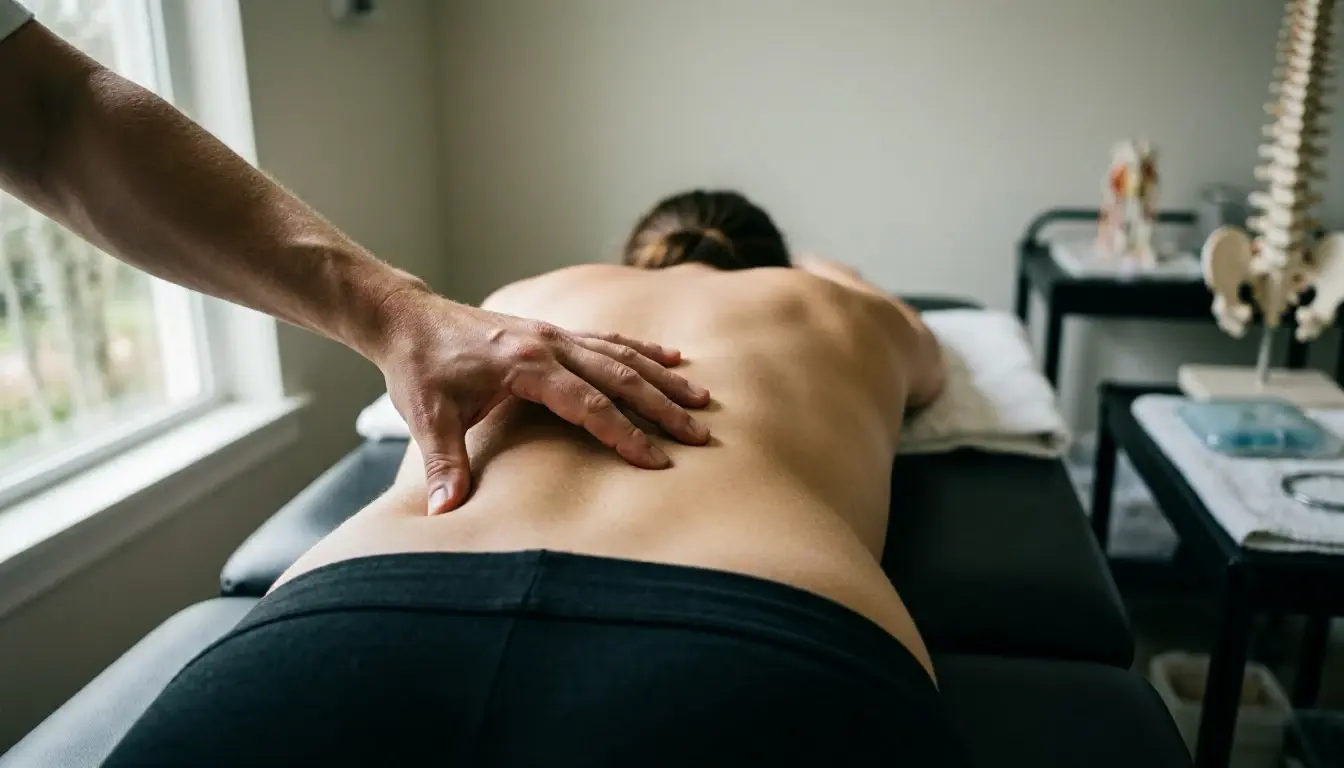
Low back pain hurts the lower spine. This part is called the lumbar region. It holds up most of your weight.
You use it when you bend, twist. Or lift. That's why it gets hurt easily. The pain can be short or long.
Short pain lasts days or weeks. Long pain lasts months or more. Most pain goes away on its own.
But bad or long pain may need a doctor. You should get it checked.
Many things cause low back pain. Lifting heavy things can strain muscles. So can sudden moves.
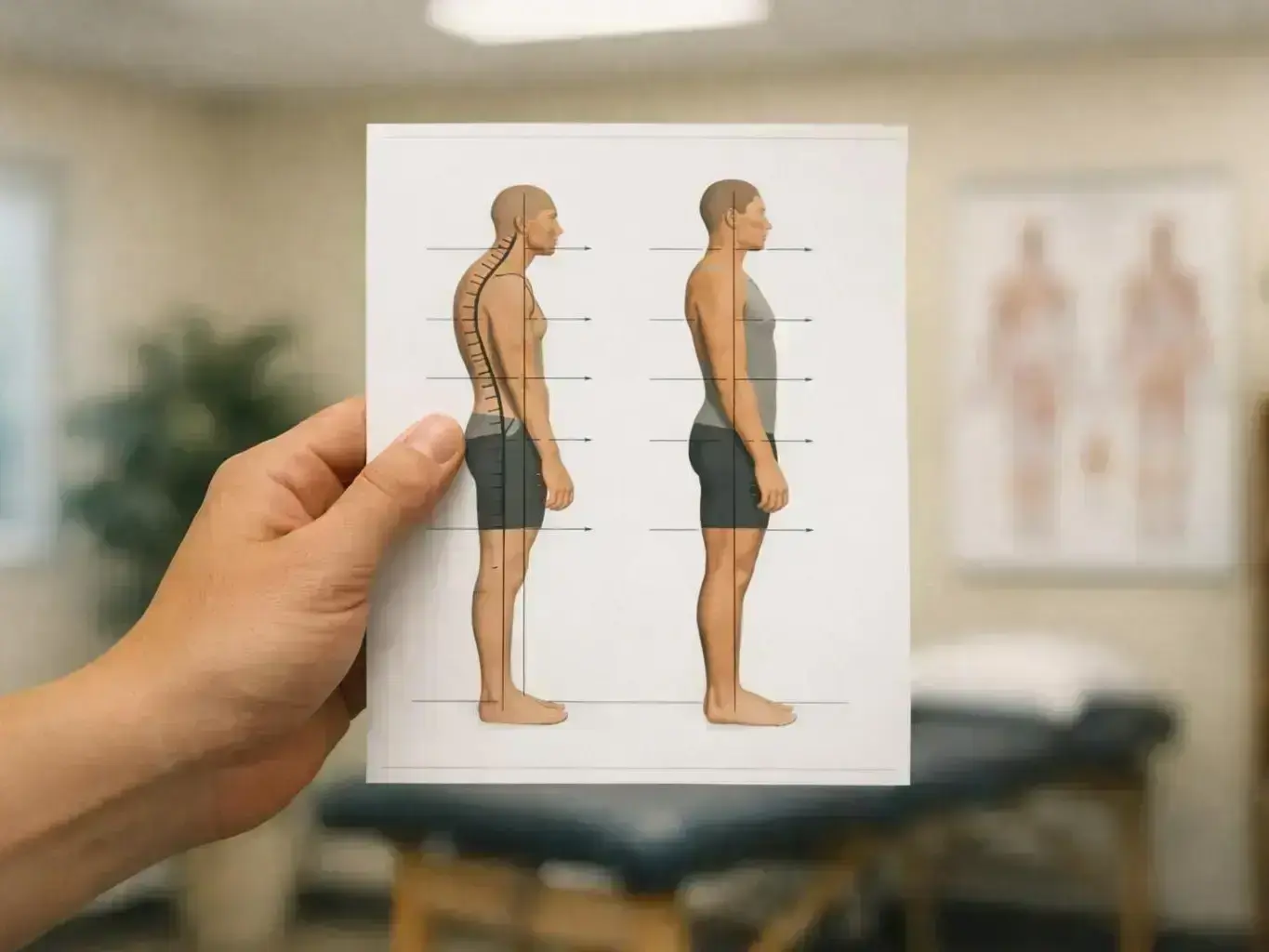
Bad posture also hurts your back. Over time, your spine wears down. This can cause pain too.
Sometimes discs (soft pads between bones) get hurt. This can press on nerves. That causes leg pain.
This leg pain is called sciatica. Knowing the cause helps pick the right treatment.
How Low Back Pain Is Diagnosed and Treated?
Doctors check your back and ask questions. They want to know where it hurts. They ask how bad it is.
They ask how long you've had pain. They also ask what makes it worse or better. Sometimes they take pictures.
Pictures like X-rays or MRIs (a type of scan) show problems. They may show a herniated disc (a bulging pad).
Or spinal stenosis (a narrow spine). But pictures aren't always needed. Many backs get better without them.
First, try rest and ice or heat. Pain pills from the store can help. Stretching and walking help too.
Swimming is good for your back. These things make your muscles stronger. Strong muscles help your back.
If pain won't go away, try physical therapy. Or see a chiropractor (a back specialist).
Most people don't need surgery. It's only for very bad problems.
Why Low Back Pain Matters?
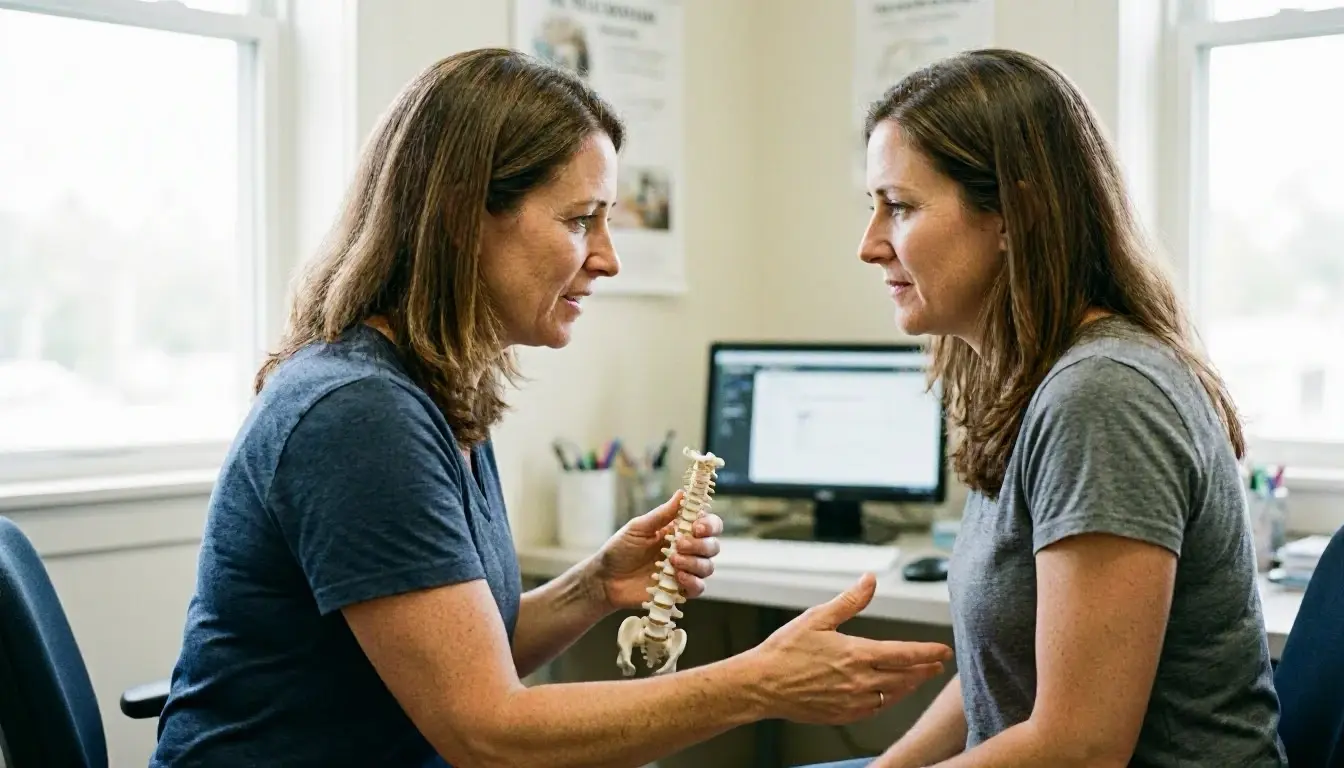
Low back pain makes people miss work. It keeps them from exercising. It makes daily life harder.
Some people have pain for a long time. They get frustrated. They may take too many pain pills.
Fixing pain early helps. It stops pain from coming back. It keeps you active and healthy.
Back pain costs a lot of money. It's a big reason people miss work. It leads to many doctor visits.
Knowing about back pain helps. You can manage pain better. You can stop future pain too.
Use good posture at work. Stay active. See a doctor if you need to.
When Low Back Pain Matters Most?
Back pain matters when it slows you down. Some jobs cause more back pain. Workers lift heavy things.
Nurses stand a lot. This hurts their backs. Athletes can hurt their backs too.
Sports with jumping or hitting are risky. Early help stops long-term damage. It keeps you active.
Back pain with numbness needs a doctor. So does tingling or weak legs. These mean nerve problems.
Nerve problems can cause lasting damage. People with arthritis (joint pain) get back pain too.
So do people with osteoporosis (weak bones). They need to treat their main problem.
Medicine, lifestyle changes. And care help. These things make life better.