Understanding Atlas Orthogonal

Atlas Orthogonal is a way to fix the atlas vertebra. This is the first bone in your neck.
It sits right below your skull. It holds up your head.
Small shifts here can hurt nerves. They can also change your posture. This affects your health.
Other chiropractic methods twist or crack your spine. Atlas Orthogonal does not.
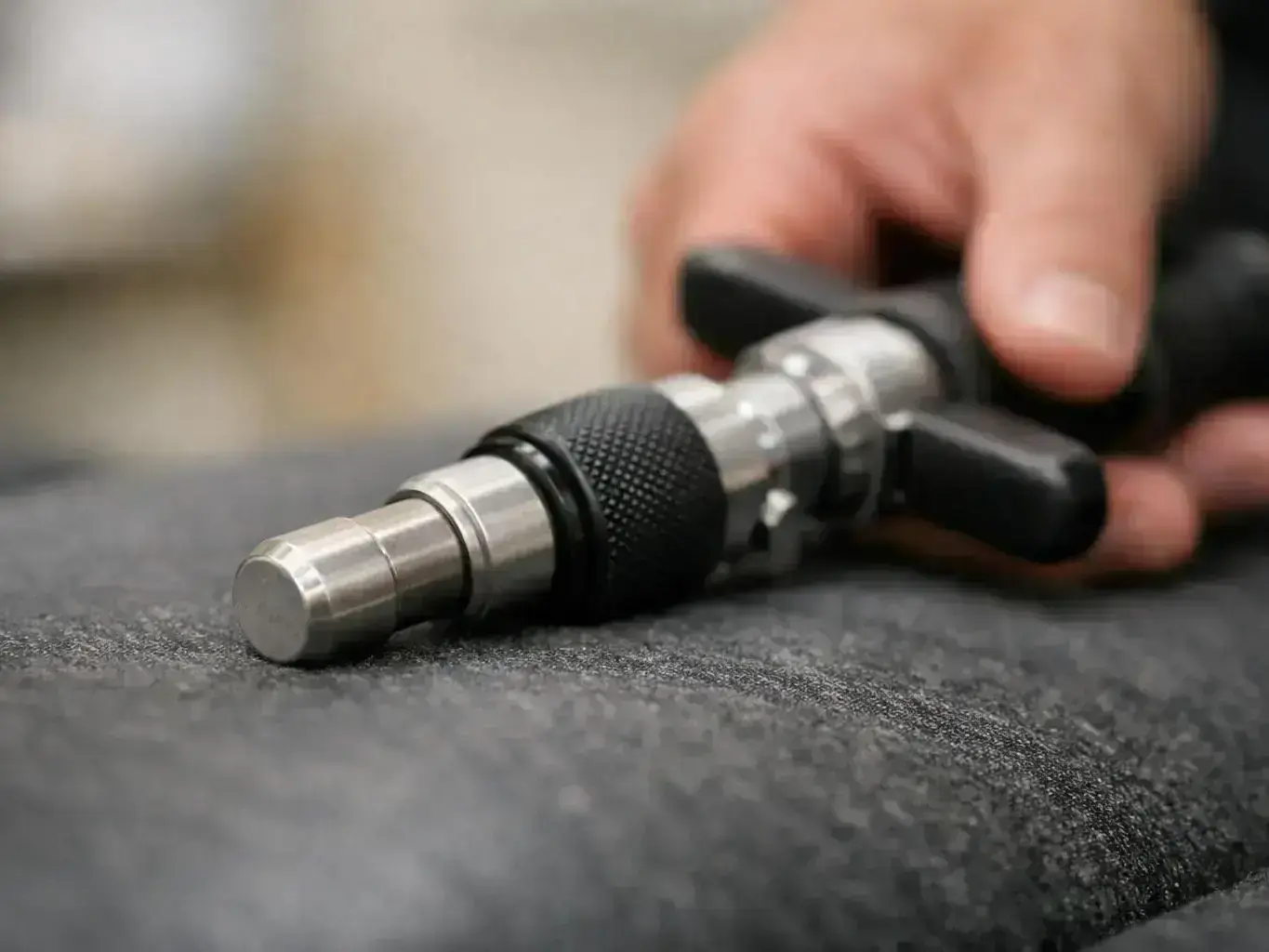
It uses a special tool. The tool gives a gentle, exact fix.
This method helps with the top part of your spine. Problems here can cause headaches.
They can also cause neck pain or dizziness. You might even have balance issues.
The atlas bone wraps around your brainstem. Good alignment helps your brain talk to your body.
Doctors use X-rays to see the atlas. They measure its exact angle and spot. This makes the fix just right for you.
How Atlas Orthogonal Works?
The Atlas Orthogonal process starts with a check-up. The doctor takes X-rays from many sides.
These pictures show where the atlas bone is off. The doctor uses them to plan your fix.
The doctor figures out the exact angle. They also pick the right force for your fix.
A special tool gives the fix. It makes a soft sound wave. This moves the atlas back in place.
You might feel a light tap. It happens at the base of your skull. The fix does not hurt.
After the fix, you may get more X-rays. These show if the fix worked.
You should not jerk your head. Don’t lift heavy things for a short time.
This helps your spine stay fixed. The goal is to keep it that way long.
Many people feel better after one or two fixes. But everyone is different.
Why Atlas Orthogonal Matters?

The atlas bone holds up your head. It also guards your brainstem.
If it’s off, nerves can get squeezed. Blood flow can slow down. Your balance can get bad.
Atlas Orthogonal puts it back in place. It does not use strong pushes or twists.
This makes it good for people who don’t like hard fixes. It works for those with weak bones or neck injuries.
Fixing the atlas can help more than just pain. It can make your posture better.
It can ease tension in your shoulders and back. It can also help your nerves work right.
Some people say it helps with migraines. Others say it stops dizziness. Some sleep better.
We don’t have all the research yet. But we know your spine affects your whole body.
When Atlas Orthogonal Matters Most?
Atlas Orthogonal helps people who tried other fixes. It’s good for those who don’t want hard pushes.
It’s often used for neck pain or headaches. It can also help with whiplash.
People with TMJ (jaw joint pain) or fibromyalgia (body pain) may try it too.
It’s gentle. So kids and older people can use it. It’s also safe after surgery.
People with past concussions may like it. So might those with balance problems.
The atlas bone can cause these issues. Fixing it can help.
Active people and athletes use it too. It keeps their spine in line. This can stop injuries.
It’s not a cure for everything. But it can be part of a health plan.