Understanding Active Release Technique
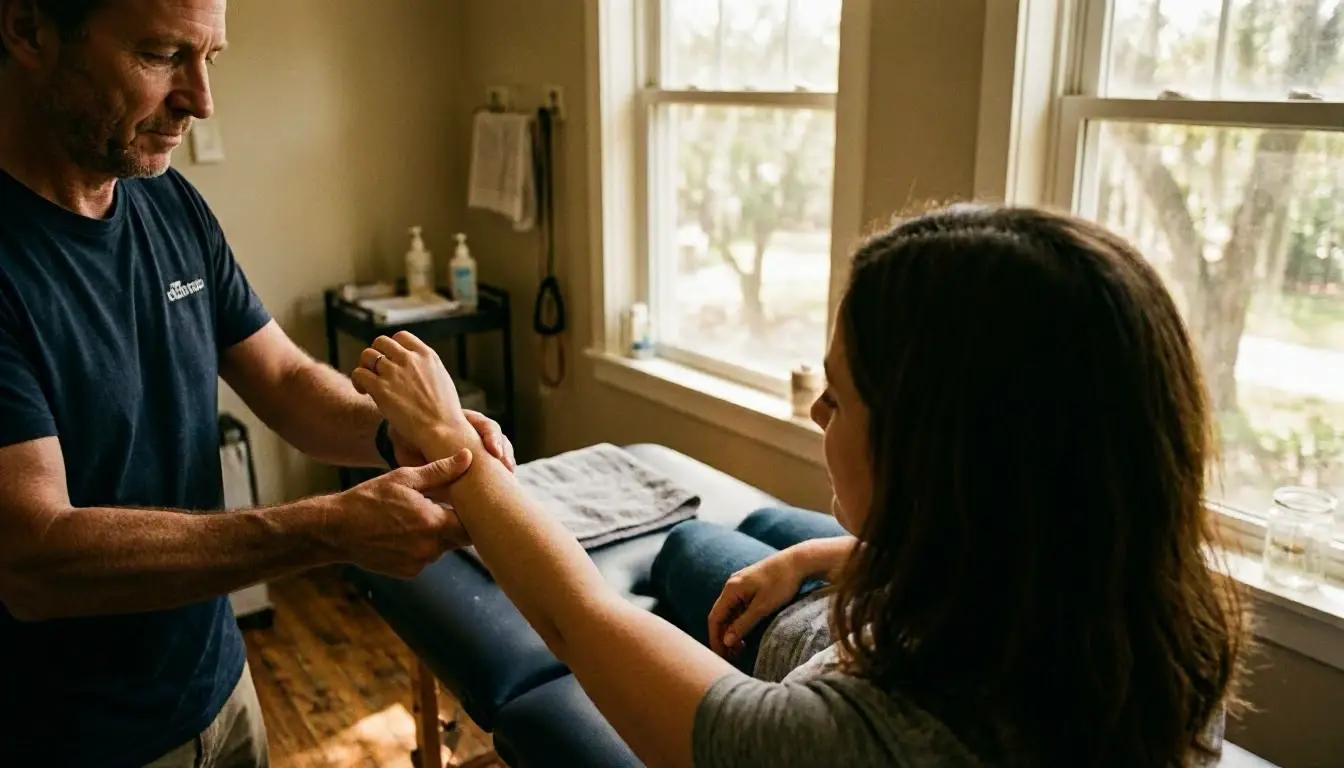
Active Release Technique (ART) is a special way to treat soft tissues. It helps with problems in muscles, tendons, ligaments, fascia. And nerves.
ART is not like regular massage or chiropractic care. The doctor uses their hands and has you move at the same time.
This mix breaks up adhesions (stiff, painful bands in tissue). These form when muscles or tissues are hurt or overused.
Adhesions can limit movement. They can cause pain. They may even press on nerves.
This can lead to problems like carpal tunnel syndrome. It can also cause plantar fasciitis or back pain.
ART was made in the 1980s by Dr. P. Michael Leahy. He was a chiropractor and engineer.
He saw that many patients had soft-tissue problems. These were not just joint issues.
He made a system to find and fix these problems. He felt for tight or thick spots in the tissue.
Then he pressed on these spots. You move the sore area while he does this.
This helps fix the tissue. It cuts pain. It makes moving easier without surgery or drugs.
How Active Release Technique Works?
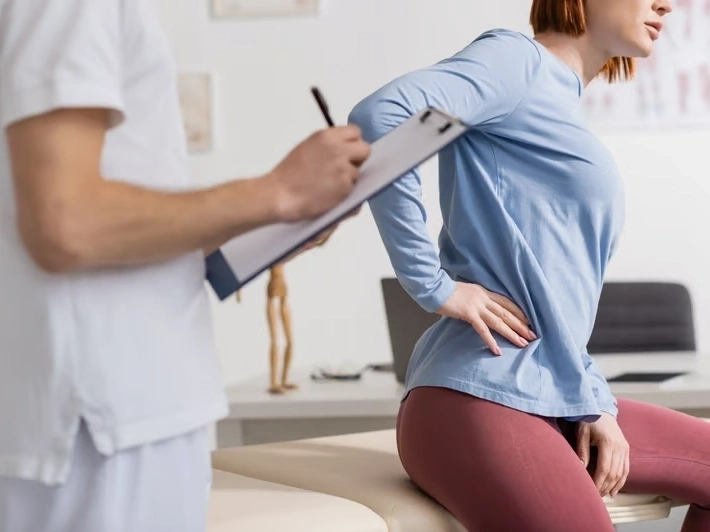
ART starts with a check-up. The doctor feels your soft tissues.
They look for tight, sore. Or thick spots. These show adhesions or scar tissue.
Once found, the doctor presses on the spot. You move the area slowly.
For a tight hamstring, they press a sore spot. You bend and straighten your knee.
This mix of pressure and movement helps. It stretches the stiff fibers.
The tissue can then go back to normal. It becomes flexible again.
Each ART session is short. It takes 10 to 15 minutes per area.
It's often part of a bigger plan. This may include chiropractic care, stretches. Or exercises.
ART needs special training. Doctors must learn it well.
They get certified by the Active Release Techniques group. This helps them treat problems safely.
Why Active Release Technique Matters?
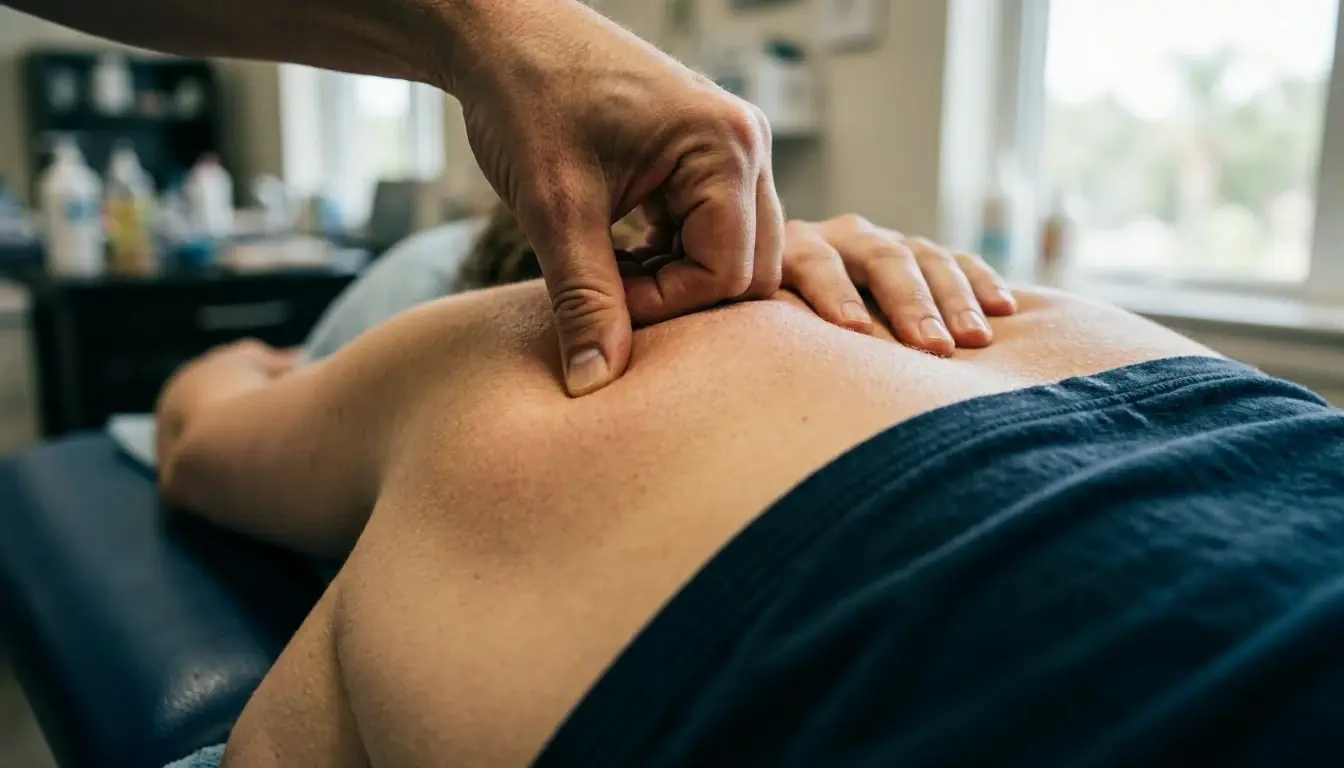
ART helps fix soft-tissue problems. These are often the root cause of pain.
Adhesions and scar tissue can form. This happens from too much use, injuries. Or bad posture.
They can also form from sitting too long. These cause pain and limit movement.
They make muscles weak. They raise the risk of more injuries.
A runner with tight calves may get plantar fasciitis. An office worker may get headaches from a stiff neck.
ART breaks up these adhesions. This helps you move better.
You can go back to daily tasks or sports. You won't feel pain.
ART works well with other treatments. Chiropractic care fixes joints.
ART fixes the soft tissues around them. This helps athletes and workers with hard jobs.
It also helps people healing from injuries. A worker with a sore shoulder may try ART.
Other treatments like rest or ice may not help. ART is safe and doesn't need surgery.
When Active Release Technique Matters Most?
ART helps most when soft tissues cause pain. It works for tightness or trouble moving.
It's good for overuse injuries. These include tendonitis or carpal tunnel syndrome.
Repetitive motions cause these problems. ART is also used for sprains or strains.
Scar tissue forms when these heal. Athletes use ART for tight muscles.
Runners may have tight hamstrings. Swimmers may have shoulder issues.
People with bad posture can use ART too. Desk workers may have rounded shoulders.
ART can loosen tight muscles. This helps pull the body back into place.
ART helps when other treatments don't. A person with back pain may try chiropractic care.
But it may not be enough. ART can help the soft tissues too.
This gives a fuller fix. But ART isn't a magic cure.
It works best with other treatments. These include stretches or exercises.
Changes to your workspace can help too. ART may cause some discomfort.
This happens in areas with lots of adhesions. The pain goes away as the tissue heals.