Preparing for Dry Needling
Dry needling preparation means reviewing your health history, asking questions, wearing comfortable clothing, following the treatment plan, and monitoring your response afterward; Arrowhead Clinic Chiropractor Savannah explains each step before treatment begins.
Request an EstimateWhat Should You Know Before Dry Needling?
Dry needling preparation starts with understanding the treatment, sharing relevant health information, and agreeing on goals with our team. Dry needling is a musculoskeletal treatment that uses thin needles to address selected areas of muscle tension and muscle trigger points.
Our team reviews your symptoms, movement limits, and treatment goals before discussing whether muscle needling fits your care plan. We also explain what to expect during dry needling, how patient communication works, and what aftercare may involve.
Your Before-Treatment Checklist
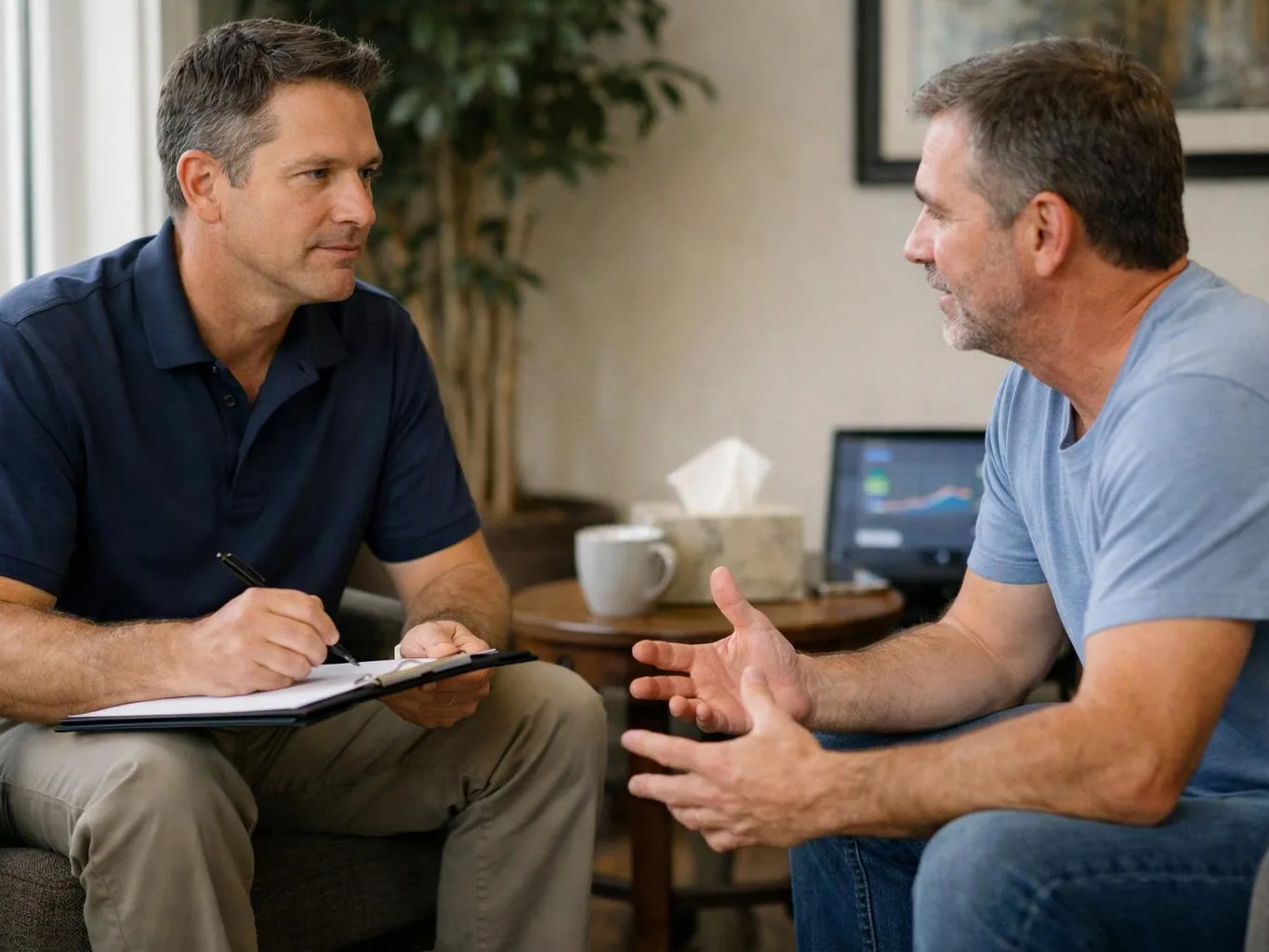
A before-treatment checklist helps you share useful information and arrive ready for your dry needling consultation. Bring questions about your symptoms, goals, and any concerns about needle sensation or muscle soreness.
Our team uses this information during safety screening and treatment planning. Follow the instructions we provide because preparation can vary with your health history and the treatment area.
How Arrowhead Clinic Chiropractor Savannah Plans Dry Needling
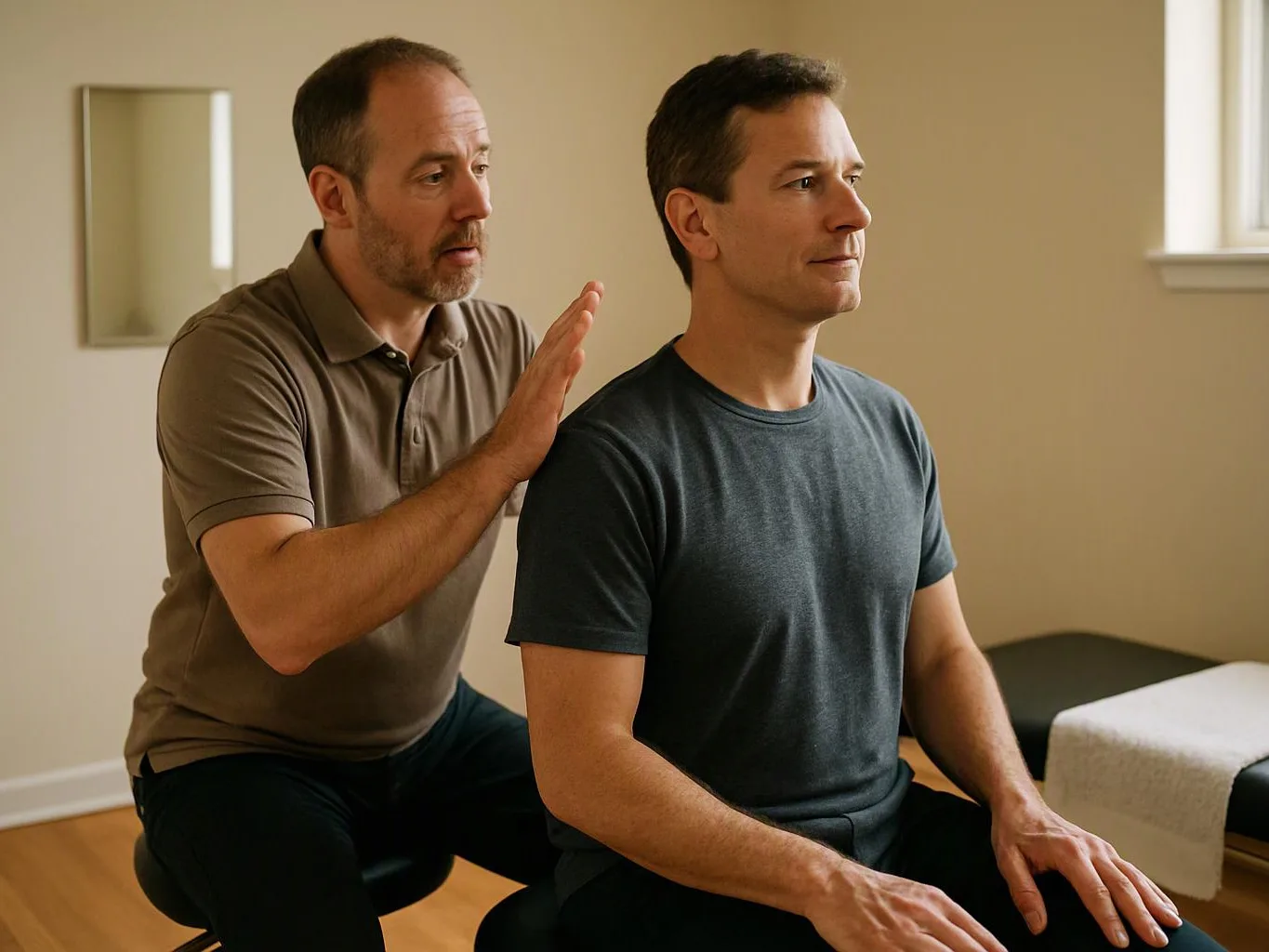
Arrowhead Clinic Chiropractor Savannah plans dry needling by reviewing your history, examining the affected area, identifying relevant muscle findings, and explaining how the treatment fits your care plan.
Our clinical assessment may include a musculoskeletal examination, range of motion checks, and review of your pain pattern. We use those findings to select the treatment area and explain whether trigger point dry needling, superficial dry needling, or another approach fits the plan.
We discuss expected sensations, patient consent, and safety screening before treatment begins. You can ask questions at any point before agreeing to the procedure.
What Happens During Dry Needling?
Dry needling involves positioning the treatment area, placing thin needles into selected muscles, observing the muscle response, and checking your comfort throughout the procedure.
Our team explains each step before needle insertion and keeps communication open while we work. The treatment process may focus on a target muscle connected with muscle tension, restricted movement, or a specific pain pattern.
What Sensations Can Dry Needling Cause?
Dry needling can cause brief needle sensations, pressure, or a local muscle response, and you should tell our team about discomfort during treatment.
A muscle twitch response may occur when the needle reaches a sensitive muscle area. Some people notice tenderness or post-treatment soreness around the treatment area. Our team explains what we observe and changes the approach when your response calls for it.
Your After-Treatment Checklist
Dry needling aftercare helps you respond safely to treatment and notice how the treated area feels during normal activity. Our team gives activity guidance based on your findings and broader treatment plan.
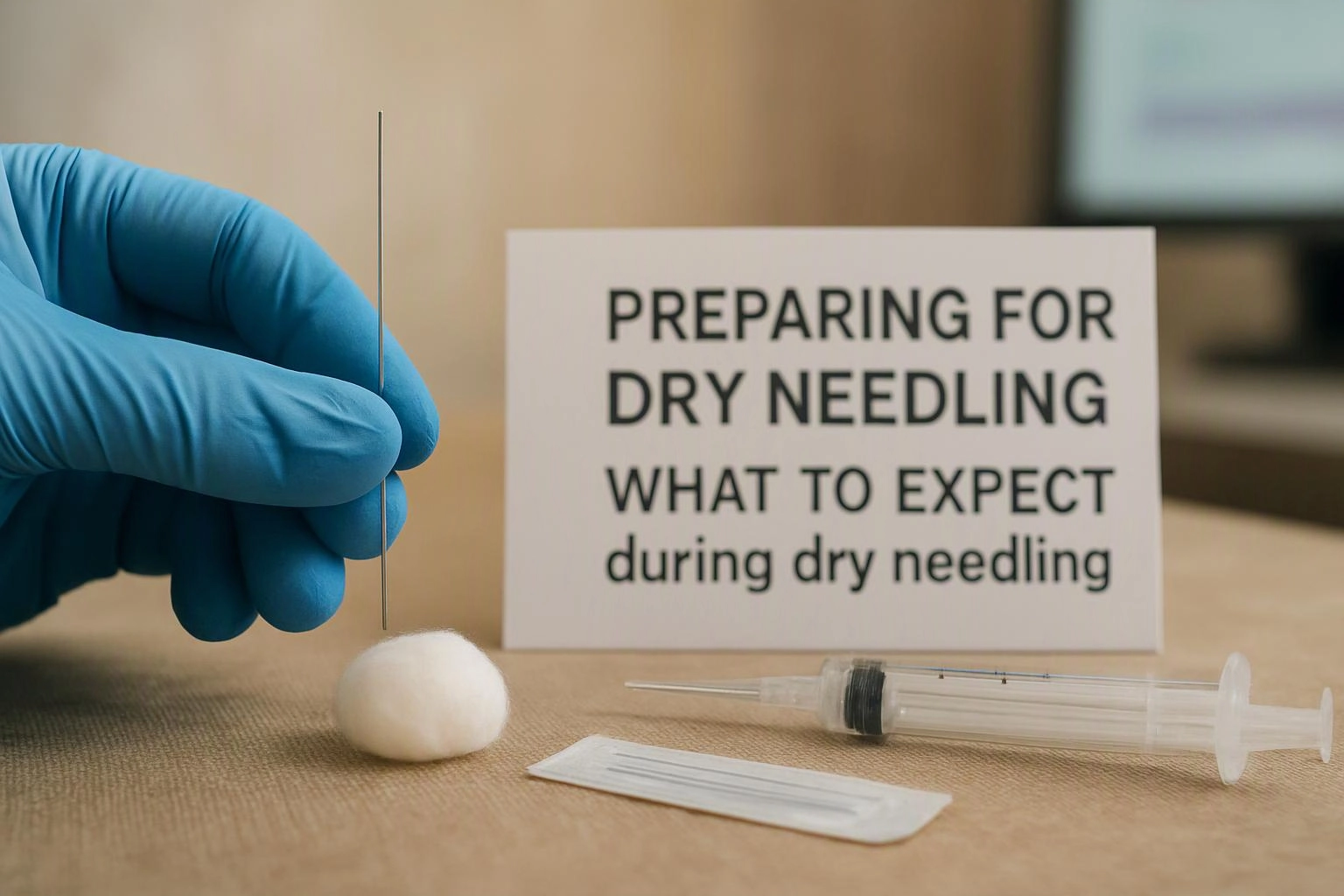
Use your response after treatment to guide communication with us. Follow-up care may include movement work, mobility support, and changes to your care plan.
When Should You Contact Our Team After Dry Needling?
Contact Arrowhead Clinic Chiropractor Savannah about symptoms that feel unusual, worsen, or do not match the aftercare guidance provided during your visit.
Our team can review your concerns and help determine the next step. Seek urgent medical help for severe or rapidly worsening symptoms.
Common Concerns About Dry Needling
Common dry needling concerns involve needles, discomfort, soreness, and suitability, and our team addresses those concerns during screening and informed consent.
Needle anxiety is a valid concern to discuss before treatment. We explain positioning, needle insertion, expected sensations, and communication signals so you can make an informed decision.
Safety screening considers your health history, current medications, and treatment goals. Our team does not begin until you understand the proposed care and provide informed consent.
Questions to Ask Before Your Appointment
Questions about dry needling help you understand the treatment goals, expected sensations, safety screening, and aftercare. Bring questions that connect the procedure with your broader care plan.
How Dry Needling Fits Into a Broader Care Plan
Dry needling may support a broader chiropractic care plan when our assessment shows that targeted muscle treatment complements movement, mobility, or functional goals.
Our team may pair muscle treatment with therapeutic exercise, mobility work, or strategies that support strength and range of motion. The right combination depends on your clinical assessment and the way your symptoms affect daily function.
We use your response to care to guide follow-up decisions. Dry needling is one part of a care plan when it supports the functional goals we set together.
What Does a Dry Needling Consultation Include?
A dry needling consultation includes a discussion of your symptoms, health history, examination findings, treatment options, and questions; Free Consultations are available from Arrowhead Clinic Chiropractor Savannah.
We complete a physical assessment and discuss how the treatment may address your movement limits or pain pattern. Our team also reviews informed consent, safety screening, expected sensations, and aftercare before treatment begins.
Bring a list of medications, relevant health details, and your treatment goals. This information helps us explain the care plan clearly and answer questions about how dry needling may fit your needs.
Questions About Preparing for Dry Needling
What should I wear to a dry needling appointment?
Comfortable clothing that allows access to the treatment area is the best choice for a dry needling appointment. Arrowhead Clinic Chiropractor Savannah reviews positioning and clothing needs during your consultation.
Can I eat before dry needling?
Yes, you can follow your normal eating routine unless our team or your medical instructions provide different guidance. Tell us about any health concern that affects meals, hydration, or treatment comfort.
Should I tell the chiropractor about medications before dry needling?
Yes, tell our team about medications and supplements before dry needling so we can complete an appropriate safety screening. Include relevant changes to your health history when you schedule or attend your consultation.
Is dry needling appropriate for everyone?
No, dry needling is not appropriate for everyone because suitability depends on your health history, medications, symptoms, and assessment findings. Our team reviews these factors and discusses informed consent before recommending treatment.
Can I exercise after dry needling?
Exercise after dry needling depends on your treatment area, muscle response, soreness, and the activity involved. Follow the activity guidance our team provides and ask about therapeutic exercise during follow-up care.
Dry needling preparation begins with a clear consultation, honest health information, and shared treatment goals. Contact Arrowhead Clinic Chiropractor Savannah to discuss your questions and request a consultation.
Get a Free Estimate